
Flightseeing from Anchorage: Scenic Alaska Flights 2026
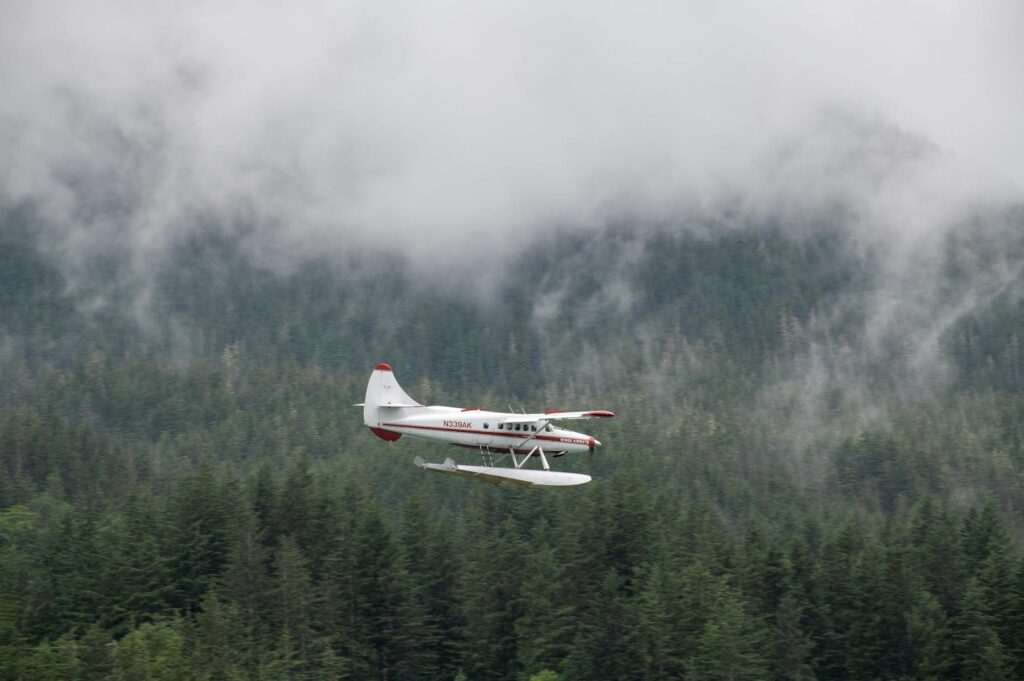
When visitors to Alaska want a single experience that captures the sheer scale of the state, most pilots and seasoned travelers give the same answer: get in a small plane. Flightseeing from Anchorage — aerial tours over glaciers, mountains, and wilderness that would take weeks to reach on foot — is one of the most transformative things you can do in Alaska, and the city is perfectly positioned to access some of the most spectacular aerial scenery on the continent.
Why Anchorage Is the Flightseeing Capital of Alaska
Anchorage sits at the intersection of two extraordinary landscapes: the Chugach Mountains rising immediately to the east, and Knik Arm — a braided tidal estuary leading toward Prince William Sound — to the northwest. Lake Hood Seaplane Base, located right next to Ted Stevens Anchorage International Airport, is the busiest floatplane base in the world. On a clear summer morning, the constant parade of departing floatplanes is a spectacle in itself, and many tours depart directly from these docks.
Alaska has more private pilots per capita than any other U.S. state, and that culture of bush aviation has created a mature, competitive market for aerial touring. Operators range from small one-pilot outfits to larger companies running scheduled scenic routes. Most can be booked directly, and the range of trip types — from 45-minute local glacier loops to full-day Denali overflights with glacier landings — means there is an option for nearly every budget and schedule.
The Main Flightseeing Routes from Anchorage
Chugach Mountains and Knik Glacier
The most accessible flightseeing option from Anchorage covers the Chugach Mountains and Knik Glacier, departing from Lake Hood and returning in 45 to 60 minutes. You will fly directly over the city, climb into the Chugach Range, and arc around the heavily crevassed face of Knik Glacier — one of the most photogenic glaciers accessible by small aircraft from Anchorage. Some operators offer glacier landing options on Knik, allowing you to step out onto the ice before flying back. Prices typically range from $200 to $350 per person for the aerial-only version, with glacier landings adding $50 to $150 more.
Prince William Sound and Columbia Glacier
Extending the trip south and east, Prince William Sound tours take you over the tidewater glaciers draining into the sound — including Columbia Glacier, one of the largest glaciers in North America by area. These tours typically run 90 minutes to two hours and offer views of calving ice fronts, fjords, and occasional sea life visible from altitude. The combination of mountain terrain and ocean inlet creates a visual drama that is hard to match. Expect to pay $350 to $500 per person for PWS overflights.
Denali Overflight
The crown jewel of Alaska flightseeing, a Denali overflight typically departs from Talkeetna — about a 2.5-hour drive north of Anchorage — where the nearest large operators have their bases. The flights circle the 20,310-foot summit, traverse the Don Sheldon Amphitheater and the Ruth Glacier, and provide views of the Alaska Range that are simply impossible to replicate from the ground. Some operators offer glacier landings on the Ruth Glacier at 5,700 feet, where passengers step out into an eerie, wind-sculpted amphitheater surrounded by walls of ice and rock.
Denali overflights from Talkeetna run $350 to $600 per person depending on duration and whether a glacier landing is included. A few Anchorage-based operators run longer Denali routes directly from Lake Hood, covering more of the Alaska Range at higher cost. If you only have one day and want the most iconic Alaska flight, the Talkeetna departure is the standard recommendation among Alaska guides and pilots alike.
Kenai Fjords and Exit Glacier
Heading south toward the Kenai Peninsula, flightseeing routes over Kenai Fjords National Park cover the Harding Icefield — the largest ice field in the United States — and the fjord coastline where glaciers calve directly into the Gulf of Alaska. These routes are longer and generally depart from Anchorage’s main airport or from Seward. Flight time runs 90 minutes to two and a half hours. The combination of the icefield’s stark white expanse with the deep blue ocean fjords below is one of the most striking aerial landscapes in Alaska.
Practical Tips for Your First Flightseeing Tour
Book early. July is peak flightseeing season, and popular routes — especially anything with a Denali glacier landing — sell out weeks or months in advance. June and August are slightly easier to book on shorter notice, but don’t leave it until the week before. Operators hold back some seats for cancellations, but it is a gamble in high season.
Understand weight limits. Small aircraft have strict payload limits, and operators will ask for passenger weights before booking. This is a safety requirement, not an optional disclosure. Being forthright helps the operator balance the aircraft properly and ensures you aren’t bumped at the dock. Group bookings may get a charter rate that removes per-person weight concerns.
Dress in layers. Floatplane cabins are not heated to the same degree as commercial aircraft, and the temperature drops significantly over glaciated terrain even in summer. A mid-layer and a windproof outer shell are worth carrying regardless of the ground temperature in Anchorage.
Weather is everything. Alaska’s coastal weather changes fast, and tours can be cancelled or rerouted on short notice. Reputable operators offer full refunds for weather cancellations and will reschedule when possible. Build flexibility into your itinerary, especially if a specific route — like a clear-day Denali summit overflight — is your priority. A good rule of thumb: plan your flightseeing for the early-to-mid part of your Alaska trip so you have a chance to reschedule if weather intervenes.
Bring a camera. Most small aircraft have windows that open for photography, or the operator will arrange a window seat. A polarizing filter helps cut glare from ice and water. Keep your shutter speed up — even at low aircraft speeds, vibration can blur a long exposure.
Beyond the Flight: Aviation in Anchorage
Even if your budget doesn’t stretch to a full flightseeing tour, Lake Hood Seaplane Base is worth a visit on its own. The viewing area along the lake shore offers front-row seats to the constant takeoffs and landings, and on busy summer days the pace is genuinely astonishing. Anchorage’s relationship with bush aviation goes back to the earliest days of Alaska statehood, and the Alaska Aviation Heritage Museum — located next to Lake Hood — tells that story through a remarkable collection of historic aircraft, including bush planes, World War II training aircraft, and early Alaska air mail planes.
For visitors who want a guided introduction to the Anchorage region before committing to a long flight, Adventure Life offers multi-day Alaska tour packages that frequently incorporate aerial components alongside ground-based wilderness experiences — a good option for first-time visitors still calibrating how much they want to see by air versus land.
When you are ready to book a dedicated flight out of Anchorage, Trail Ridge Air operates scenic flight tours from the Anchorage area, with routes covering the Chugach Mountains, local glaciers, and surrounding wilderness terrain.
Is Flightseeing Worth It?
Alaska is a state where the natural scale regularly defeats ground-level comprehension. A mountain range that takes four days to traverse on foot appears in its entirety from the window of a small plane in twenty minutes. A glacier that would require a technical expedition to reach on the ground becomes a landing strip. If there is one experience in Alaska that consistently produces the strongest reactions from first-time visitors — stronger than bear viewing, stronger than the northern lights, stronger than the midnight sun — it is the moment a small plane clears a ridgeline and the full immensity of the Alaska wilderness opens below. Flightseeing from Anchorage is, for many visitors, the one experience they return to again and again.



No comments yet.