
Anchorage Museum: Complete Visitor Guide 2026
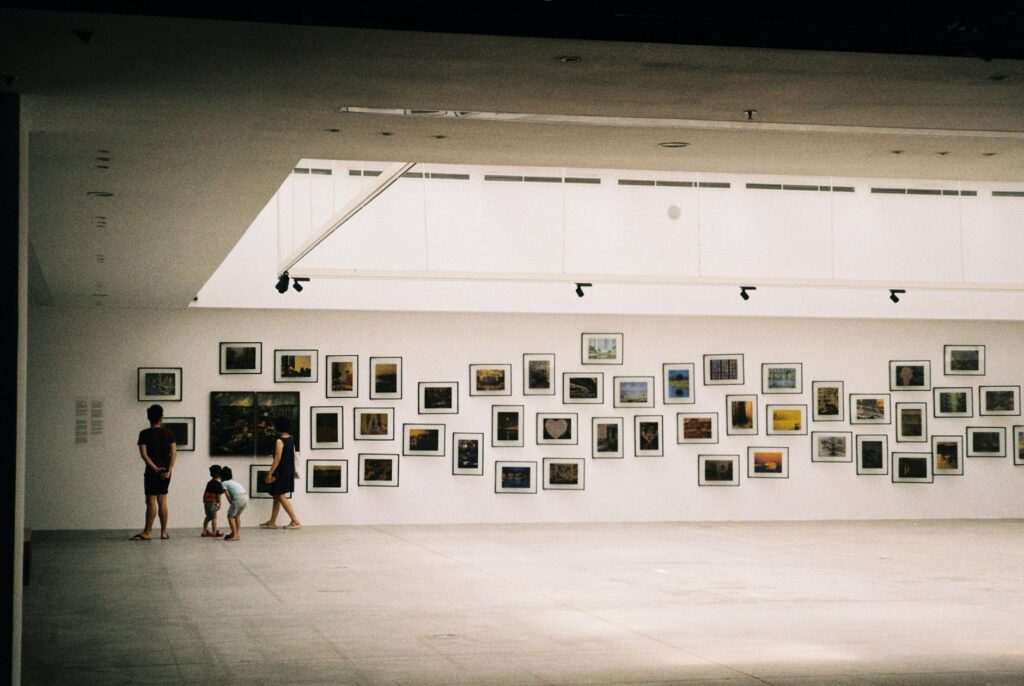
Anchorage’s crown jewel of culture sits in the heart of downtown, and no visit to Alaska’s largest city is complete without stepping through its doors. The Anchorage Museum at Rasmuson Center is the largest museum in Alaska, a 215,000-square-foot institution where history, science, Indigenous culture, and contemporary art converge under one roof. Whether you have two hours or a full day, this guide covers everything you need to plan the perfect visit.
Why Visit the Anchorage Museum?
Alaska is a place unlike anywhere on Earth, and the Anchorage Museum is the single best introduction to understanding it. The collections tell the story of this land across thousands of years — from Indigenous peoples who have called it home since time immemorial to the gold rush, the pipeline boom, and the artists documenting it all today. Rotating exhibitions from international institutions keep things fresh for repeat visitors, and the permanent galleries are deep enough to reward careful exploration every time.
The museum also anchors one of Anchorage’s most walkable downtown blocks. You can pair a museum visit with lunch at a nearby restaurant, an evening show at one of the performing arts centers, or a stroll along the Tony Knowles Coastal Trail. Downtown Anchorage’s dining scene is steps away, and the nearby Westchester Lagoon makes a pleasant pre- or post-visit stroll along the Cook Inlet shoreline.
Hours and Admission
The Anchorage Museum is open Thursday through Tuesday, 10 a.m. to 6 p.m., and is closed on Wednesdays. Extended evening hours are offered on select evenings during special events — check the museum’s website for the current schedule, as seasonal programming can shift opening times.
General admission is $18 for adults, with reduced rates for seniors (60+), military, and students. Children ages 5 and under are free. Anchorage residents receive a significant discount and should bring proof of residency. Annual memberships pay for themselves quickly if you plan multiple visits — members also enjoy free admission to reciprocal museums nationwide through the ASTC (Association of Science and Technology Centers) network.
Pro tip: Wednesday closures catch many visitors off guard. If your itinerary falls on a Wednesday, plan for a different day or fill that slot with an outdoor excursion before coming back to the museum later in your trip.
The Must-See Galleries
The Alaska Gallery
The crown jewel of the museum occupies 60,000 square feet and traces Alaska’s human and natural history from the earliest migrations across the Bering Land Bridge through the present day. Expect stunning dioramas, original artifacts, and displays covering Alaska Native cultures, the Russian era, American purchase, WWII, statehood, and the modern era. Plan at least 90 minutes here alone.
Smithsonian Arctic Studies Center
One of the most remarkable things about the Anchorage Museum is its permanent partnership with the Smithsonian Institution. The Arctic Studies Center brings hundreds of Alaska Native objects back to Alaska — items from the Smithsonian’s national collection that communities can see close to home. The center supports ongoing research and welcomes Indigenous community engagement, making it a living, breathing part of the museum rather than a static exhibit.
Art Galleries and Rotating Exhibitions
The museum maintains a world-class art collection with an emphasis on Alaskan artists and Alaska-themed work. Sydney Laurence paintings, Indigenous carvings, contemporary photography, and multimedia installations all have a home here. Rotating exhibitions bring major touring shows from institutions around the globe — past exhibitions have explored Arctic exploration, climate change, and the work of internationally recognized Alaskan artists.
Thomas Planetarium
The full-dome Thomas Planetarium sits inside the museum and offers regular shows throughout the day. Programming ranges from family-friendly astronomical journeys to immersive science content for older visitors. Planetarium shows require a separate ticket but are well worth adding to your visit, especially if you are hoping to see the northern lights — the planetarium can give you a preview of what the aurora looks like and how to photograph it.
SEED Lab
The SEED Lab (Science, Engineering, Exploration, and Design) gives hands-on science a dedicated home inside the museum. Interactive stations explore engineering challenges, Arctic ecosystems, and sustainable design principles. It skews toward younger visitors but genuinely engages curious adults as well.
Practical Tips for Your Visit
Parking: Street parking on C Street and surrounding blocks is metered and typically available for short visits. The museum does not operate its own lot, but the downtown core has multiple paid parking garages within a short walk. The Anchorage 5th Avenue Mall garage (5th Avenue and C Street) is one of the most convenient options.
Dining: The Muse café inside the museum serves light meals, soups, sandwiches, and coffee — a solid option if you don’t want to break up your visit with an outside trip. If you’d rather have a sit-down meal, downtown Anchorage has a strong restaurant scene within easy walking distance of the museum entrance.
Museum Store: Budget time for the gift shop. It carries an exceptional selection of Alaska Native art, jewelry, books by Alaskan authors, and locally designed gifts — among the best museum stores in the Pacific Northwest.
Accessibility: The museum is fully ADA-accessible, with elevators to all floors, accessible restrooms, and staff prepared to assist visitors with mobility needs.
Combining Your Visit with Other Anchorage Attractions
The Anchorage Museum pairs well with a number of other cultural stops around the city. The Tony Knowles Coastal Trail begins just steps from the museum’s west entrance — an 11-mile paved path along the Cook Inlet shoreline that is one of the best urban trails in Alaska, perfect for stretching your legs after a few hours inside. For a high-elevation companion to an Anchorage culture day, Flattop Mountain Trail in Chugach State Park is the city’s most popular summit hike and pairs perfectly with a morning at the museum.
Both museums can realistically fit into a single full day alongside the Anchorage Museum, giving you a remarkably complete picture of Anchorage’s cultural institutions in one outing.
Plan Your 2026 Visit
The Anchorage Museum regularly updates its programming, special exhibitions, and community events calendar. Before you arrive, visit the museum’s official website to check for ticketed evening events, member preview nights, and family programming that might not appear in standard hours listings. Summer brings extended family programming, while winter months lean into aurora season content and cozier indoor programming.
No matter when you go, the Anchorage Museum delivers a visit that is genuinely hard to replicate anywhere else in the world. Alaska’s story is singular, and this is the place it is told best.





No comments yet.