
Anchorage for First-Time Visitors: Your Complete 2026 Summer Guide
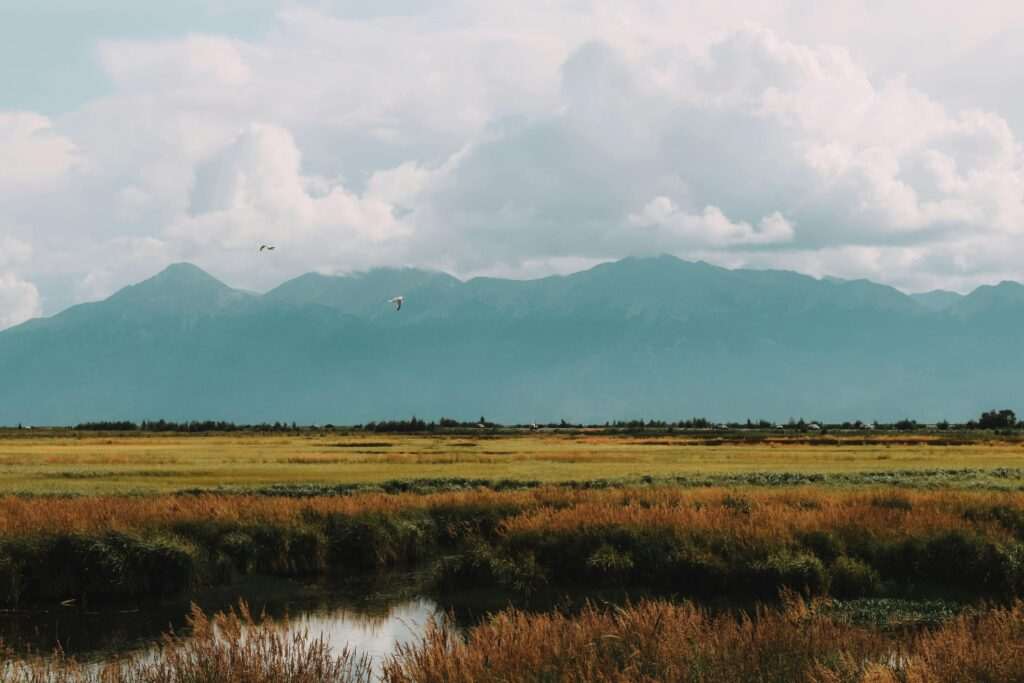
Anchorage is the kind of city that surprises people. Most first-time visitors arrive expecting a small frontier outpost — and instead find a walkable downtown, world-class restaurants, and a genuine city of nearly 300,000 people. But step ten minutes in any direction and you’re in wilderness that would take weeks to fully explore. That combination — urban comfort with immediate backcountry access — is what makes Anchorage one of the most unusual cities on the planet, and one of the best bases for a summer Alaska trip.
This guide covers the essential experiences for a first visit in summer 2026: where to go, what to do, how to get around, and what to pack.
Why Anchorage Works as a Base
Anchorage sits at the top of Cook Inlet, flanked by the Chugach Mountains to the east and the Alaska Range visible on clear days to the north. From the city, you can reach Denali National Park in about five hours, Kenai Fjords in three, and the Kenai Peninsula’s legendary fishing in two. You can hike above treeline in 20 minutes. You can catch a Chinook salmon within walking distance of downtown hotels.
The city has the infrastructure to match. Ted Stevens Anchorage International Airport receives nonstop flights from Seattle, Los Angeles, Chicago, Dallas, Minneapolis, Phoenix, and several other major hubs. Downtown has solid hotel inventory at every price point. There are good grocery stores, an REI, gear rental shops, and yes, actual traffic. Anchorage is a real city — it just happens to border one of the largest expanses of roadless wilderness in North America.
Top Experiences for First-Time Visitors
1. Hike Flattop Mountain
Flattop is Alaska’s most-climbed peak, and for good reason. The 3-mile round-trip trail gains 1,500 feet from the Glen Alps trailhead, weaving through alpine tundra to a summit with panoramic views of Cook Inlet, downtown Anchorage, and — on clear days — Denali floating on the northern horizon. It’s a genuine mountain hike, not a nature walk, but most reasonably fit adults can complete it in two to three hours. Start early to snag parking; the lot fills by mid-morning on weekends. Full trail details and current conditions at Flattop Mountain Trail.
2. Walk the Tony Knowles Coastal Trail
The 11-mile paved Tony Knowles Coastal Trail runs along the shore of Cook Inlet from downtown Anchorage to Kincaid Park, and it’s the single best introduction to what makes this city special. On a clear day the Alaska Range fills the western horizon. Moose appear routinely in the wooded sections near Kincaid. Beluga whales occasionally surface offshore during June runs. You can rent a bike near the downtown trailhead and ride the full distance, or simply walk the first mile or two to the water’s edge. The trail is mostly flat and stroller-accessible along the coastal sections.
3. Visit the Alaska Native Heritage Center
Alaska has one of the most complex and vibrant Indigenous cultures in North America — and the Alaska Native Heritage Center is the best place to begin understanding it. The center features full-scale traditional dwellings representing eleven cultural groups, indoor galleries, live demonstrations of traditional arts and practices, and performances throughout the summer. Plan two to three hours. This is a genuinely excellent museum, not a tourist trap, and it should be a priority for any first-time visitor who wants more than scenery.
4. Explore the Anchorage Museum
The Anchorage Museum at Rasmuson Center is the largest museum in the state and a legitimate cultural anchor for downtown. Permanent collections cover Alaska history, art, and science; rotating exhibitions bring in work from national and international institutions. The Smithsonian Arctic Studies Center, a permanent gallery operated in partnership with the Smithsonian, is particularly strong. Budget two to three hours and plan to eat at the museum’s café, which serves well above average food for a museum setting.
5. Fish Ship Creek
One of the genuinely surreal experiences Anchorage offers is catching a trophy Chinook salmon within view of downtown office buildings. Ship Creek flows through the city center, and during the June king salmon run it draws anglers lined up bank-to-bank under the train trestle. Gear rentals and guided trips are available on-site for first-timers. For those who want to go further, Big Time Alaskan Fishing Adventures runs guided charters out of Cook Inlet with Captain Barry, who brings over 40 years of experience on the water. Either way, this is an Alaska experience that requires no backcountry permit and no rental car — just a valid sport fishing license and a king salmon stamp from ADF&G.
6. Browse the Saturday Market
The Anchorage Market & Festival runs every Saturday and Sunday from mid-May through mid-September in the parking lot at 3rd Avenue and E Street in downtown. Local vendors sell produce, crafts, prepared food, and Alaskan-made goods. It’s a lively outdoor market that shows a side of the city that’s easy to miss if you spend your whole trip in the backcountry — and it’s a good spot to pick up smoked salmon and birch syrup to bring home.
7. Day Trip to Girdwood and Turnagain Arm
Drive 40 miles south on the Seward Highway — consistently ranked among the most scenic drives in North America — and you’ll reach Girdwood, a small ski-and-summer town at the base of Alyeska Resort. The resort’s aerial tram runs through summer for sightseeing, offering elevated views of Turnagain Arm’s dramatic tidal flats and the surrounding peaks. Stop at Beluga Point on the drive down to scan for beluga whales and Dall sheep on the cliffs above the highway. The drive itself is worth doing even if you turn around immediately. Allow a full day if you can.
If you’d prefer a guided introduction to any of these experiences — from flightseeing and wildlife viewing to city orientation — our picks for the top-rated tours for first-time visitors and the best Anchorage tour companies cover every category and budget.
Getting Around Anchorage
Rent a car. This is the single most important practical advice for a first visit. Anchorage has a bus system, but the city is spread across a wide footprint and the most interesting day trips — Girdwood, the Kenai Peninsula, the Mat-Su Valley — are only practical with a vehicle. Car rentals are available at the airport and downtown. If you’re visiting in peak summer (July–August), book well in advance; rental inventory runs tight.
Within downtown and midtown, walking is practical for short distances. Ride-share services operate in the city and are useful for airport transfers and getting between restaurants and hotels at night.
Where to Stay
Downtown Anchorage is the most convenient base for first-time visitors: it’s walking distance from the coastal trail, the museum, the Saturday Market, and Ship Creek, and you can easily get to the airport and trailheads from there. Midtown is cheaper and closer to some outdoor access points, but requires a car for most activities. Budget travelers will find the best value in midtown and south Anchorage; travelers who want walkability should pay the premium for downtown.
When to Visit
Peak season is July and August. Weather is warmest, all attractions are fully operational, and the salmon runs are active across multiple species. June is excellent for king salmon and slightly less crowded than peak summer. Late August into September brings coho salmon, berry season, and the first hints of fall color — and far fewer tourists than July. Avoid May if you can: many higher-elevation trails are still snow-covered, and some seasonal operations haven’t opened yet.
What to Pack
- Layers. Summer temperatures in Anchorage typically range from 55–70°F, but conditions change quickly. A light down jacket, fleece, and a waterproof shell cover most scenarios.
- Rain gear. Anchorage averages about 16 inches of annual precipitation, and summer showers can arrive without warning. A packable rain jacket is essential.
- Blackout curtains or a sleep mask. Sunrise in late June is around 4:20 a.m. and sunset after 11:30 p.m. Most Anchorage hotel rooms have blackout blinds, but if you’re staying somewhere that doesn’t, a sleep mask is the difference between rested and exhausted.
- Mosquito repellent. Not brutal in the city, but essential for any time spent near standing water or in wooded areas.
- Sturdy footwear. Trails are often muddy, rocky, or both. Leave the trail runners at home for anything above the coastal lowlands — waterproof hiking boots make a real difference.
One Last Thing
Anchorage rewards the curious traveler more than it rewards the one who sticks to the highlights reel. The city has a rough-hewn energy, a deep pride in its wilderness setting, and a culture shaped by oil money, Indigenous history, military presence, and a steady influx of people who moved here from somewhere else and stayed because they couldn’t imagine leaving. Give it more than a day and it starts to make sense on its own terms.
Summer 2026 is a strong season to visit. Come ready to move, pack for rain, and book your rental car early.
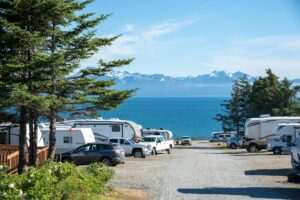
Featured photo by Hannah Villanueva on Pexels.
No comments yet.