
Flightseeing Tours from Anchorage 2026 — Glacier Overflights, Denali Flights & Booking Tips
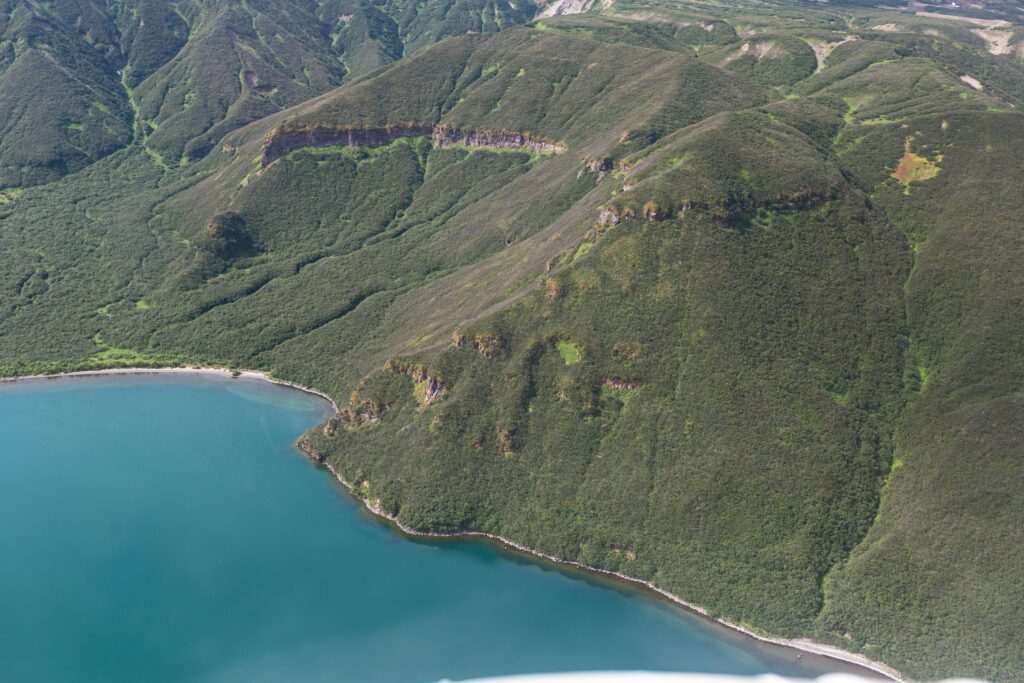
Alaska has more registered pilots per capita than any other state, more small planes per person, and more airstrips — paved, gravel, and otherwise — than most countries. This is not incidental. The state’s interior and coastal wilderness is so vast and so roadless that the small plane is not a luxury here but a utility, the way a truck is a utility somewhere else. The bush pilot culture that evolved from this necessity is one of Alaska’s defining characteristics, and flightseeing — touring the landscape from a small aircraft specifically for the experience of seeing it — is among the most distinctly Alaskan things a visitor can do. The scale of what becomes visible from 2,000 feet above the Alaska Range, or over a Columbia Glacier calving face, or banking over the Knik ice field at low altitude, has no ground-level equivalent. This guide covers how to plan a flightseeing tour from Anchorage in 2026.
Departure Points from Anchorage
Most Anchorage-based flightseeing tours depart from one of three facilities, each with its own character and route specialization.
Merrill Field, located just east of downtown Anchorage, is the city’s general aviation airport and the base for several glacier and Chugach overflight operators. It is the most centrally located departure point and handles primarily shorter tours — glacier runs and Chugach Mountain overflights in the 45-90 minute range. Parking is available adjacent to the field.
Ted Stevens Anchorage International Airport handles some charter and tour operators alongside commercial service, though its role in flightseeing is primarily for operators who run longer-range tours with larger aircraft or who accommodate tourists arriving directly from the terminal.
Lake Hood Seaplane Base, adjacent to Ted Stevens International, is the busiest seaplane base in the world and one of Anchorage’s more visually striking aviation environments. Floatplane tours and fly-in fishing charters depart from Lake Hood’s waterfront. Watching the constant traffic of floatplanes landing and departing on the lake is itself worth a visit; a seaplane tour from this base adds the sensory experience of a water takeoff and landing to the flight itself.
Tour Options
Glacier overflights are the most accessible flightseeing option from Anchorage. The Knik Glacier, approximately 30 miles northeast of the city in the Matanuska-Susitna Valley, is reachable in 20 minutes of flight time from Merrill Field and presents a dramatic face of crevassed blue ice pushing down from the Chugach Mountains into Knik Arm. Colony Glacier, nearby, offers similar terrain. Tours over these glaciers typically run 45 to 75 minutes, include passes over the glacier at low altitude, and often add Chugach peak overflights. The Matanuska Glacier — visible from the Glenn Highway but dramatically different from above — is also within range of Anchorage-based operators.
Prince William Sound and Columbia Glacier flightseeing covers a more remote and expansive landscape. Columbia Glacier, one of North America’s largest tidewater glaciers, has retreated dramatically over the past four decades but remains a massive system best appreciated from the air — the full extent of its drainage basin and the ice field feeding it are invisible from sea-level boat tours. Flight time from Anchorage to Prince William Sound is approximately 45 minutes each way; tours in this range typically run 2-3 hours total and may combine coastal fjords, Columbia Glacier, and the outer Sound.
Denali overflight day trips from Anchorage are the marquee flightseeing experience. The flight from Anchorage to the Denali area is approximately 90 minutes each way; a full Denali overflight tour from Anchorage runs 3 to 4 hours total and typically includes a pass around the 20,310-foot summit, views of the Ruth Glacier and the Great Gorge, and the surrounding Alaska Range peaks. Denali from the air, at low altitude relative to the summit, is a different scale than any ground-level view from the park highway. K2 Aviation and Talkeetna Air Taxi operate glacier landing tours from Talkeetna (north of Anchorage) that can be combined with Anchorage-based outbound flights or booked as independent day trips from Talkeetna directly.
Fly-in fishing packages combine flightseeing with sport fishing on remote lakes and rivers inaccessible by road. These are typically half-day or full-day operations that land on a gravel bar or lake, provide guided fishing time, and return to Anchorage. They represent a different product than pure flightseeing but use the same aircraft and deliver much of the same aerial experience on the transit.
Operators
Several Anchorage-area operators run regular flightseeing tours; research current offerings and confirm schedules and pricing directly before booking, as rates and tour availability change seasonally.
Rust’s Flying Service, based at Lake Hood, is one of the oldest and most established floatplane and flightseeing operators in Alaska, with a fleet that includes both floatplanes and wheeled aircraft for different terrain. They run glacier tours, bear-viewing flights to Lake Clark, and custom charters. Rust’s reputation and fleet size make them a default starting point for Lake Hood departures.
Regal Air operates from Merrill Field and runs glacier overflights, Denali day trips, and custom charters throughout Southcentral Alaska. Their positioning at Merrill Field makes them convenient for downtown Anchorage visitors.
K2 Aviation and Talkeetna Air Taxi are based in Talkeetna, the small town north of Anchorage that serves as the base camp staging point for Denali climbers. These operators fly glacier landings on Denali’s Ruth Glacier and Kahiltna Glacier — the most immersive small-plane Alaska experience available, landing on a glacier at altitude. Talkeetna is 2.5 hours by car from Anchorage; glacier landing tours from there can be planned as part of an Anchorage-to-Talkeetna day trip or as part of a longer itinerary.
What to Expect
Weight limits apply on all small aircraft. Operators typically require passenger weights when booking and calculate load distributions to meet aircraft weight-and-balance requirements. This is safety-critical, not courtesy — provide accurate weights when asked. Some tours use aircraft with weight limits that affect seating configurations; larger aircraft are available from most operators for groups or passengers outside standard weight ranges.
Weather cancellations are the defining operational reality of Alaska flightseeing. Visual flight rules (VFR) conditions require reasonable ceiling and visibility, and Alaska weather — particularly cloud cover over glaciers and mountain passes — changes quickly. Most operators hold bookings until the day of and make go/no-go decisions the morning of the flight. Expect flexibility in your schedule: book early in your trip to allow rebooking on a weather hold. Operators routinely accommodate this. Do not schedule a Denali flight on your last day in Alaska.
Passenger experience on the day: Plan to arrive at your operator’s base 30-45 minutes before the scheduled departure. Ground briefings cover safety procedures, doors (some floatplanes have windows you open mid-flight for photography), and what to expect during the flight. Flights often deviate from a fixed route to chase better light, avoid clouds, or show a specific feature a pilot knows — this improvisation is part of the product. Alaska bush pilots accumulate years of local knowledge; the commentary provided en route, when conditions allow, adds significant context to what you are seeing. Confirm with your operator whether the tour includes headset audio and commentary, which varies by aircraft and company.
Best seats for photography are window seats away from the wing. On small aircraft, the front passenger seat often provides the best forward view but the most engine vibration. Seats directly behind the pilot on a high-wing aircraft (like a Cessna 185 or De Havilland Beaver) provide excellent lateral views without the propeller arc in frame. Ask the operator where they seat photographers when booking.
Best Time of Year
June through August offers the best combination of weather, visibility, and daylight for flightseeing from Anchorage. Late June and July in particular have the longest clear windows — high pressure systems bring days of exceptional visibility over the Alaska Range, and the 19+ hours of daylight eliminate any light constraints. Glaciers are snow-free enough to show deep blue crevasse color by July.
May and early September are shoulder-season options with lower prices and fewer crowds but less reliable weather. September brings fall color to the tundra and lower elevation brush, visible from altitude, and Denali’s upper elevations can be cloud-free. May has lingering snow cover that makes glacier overflights particularly dramatic. Winter flightseeing from Anchorage is available but less commonly offered; contact operators directly for off-season options.
Cost, Booking, and Logistics
Glacier overflight tours from Merrill Field or Lake Hood run approximately $200-350 per person for 60-90 minute tours. Prince William Sound and Columbia Glacier tours run $350-500 per person. Denali overflight day trips from Anchorage run $450-650 per person depending on aircraft type and operator. Glacier landing tours from Talkeetna (K2 Aviation, Talkeetna Air Taxi) run $350-550 per person for a glacier landing with time on the ice.
Book in advance, especially for June and July — quality operators fill their summer slots weeks out, and the best aircraft (Beavers, Otters, and Cessna 206s with large windows) go first, and glacier landing tours can be booked months ahead. Most operators take deposits and hold the balance until the day of flight; confirm cancellation and rebooking policies at time of booking. Group discounts are common for parties of four or more.
Motion Sickness and What to Bring
Small aircraft in mountain terrain encounter turbulence — thermal activity above glaciers, mechanical turbulence in passes, and the general variability of mountain air. Motion sickness is not universal but it is common enough that preparation matters. Take non-drowsy motion sickness medication (meclizine/Bonine) 1-2 hours before the flight if you have any susceptibility to air or car sickness. Ginger supplements or ginger candies help some people. Do not fly on an empty stomach or immediately after a heavy meal. Dress in removable layers — small aircraft cabins can be warm on the ground and cool at altitude.
Bring: a fully charged camera or phone, extra batteries (cold reduces charge), and a lens cloth. Polarizing filters interact badly with aircraft windows and should be left off. Hand warmers for landings on glaciers in shoulder seasons.
Photography from a Small Plane
The primary challenge is vibration and motion. Use the fastest shutter speed your light allows — 1/1000 second as a minimum, 1/2000 preferred in bright conditions. Set continuous autofocus. Shoot through clean sections of the window at an angle to minimize reflection; do not press the lens against the glass, as vibration transmits directly. Shoot in bursts and edit later. If you have a mirrorless camera with in-body image stabilization, it earns its value in a small aircraft. Phone cameras with computational stabilization perform well in these conditions.
The first time you bank over a glacier at 1,500 feet and see the full crevasse field, the blue of the ice, and the mountain walls on three sides, something shifts about what Alaska means. That shift is why people come back.
For glacier overflights and Denali flightseeing from Anchorage, Rust’s Flying Service is the city’s most established operator with daily departures. Trail Ridge Air offers small-group glacier and wilderness flights from Talkeetna and the Anchorage area. For aerial photography tours, Alaska Photo Treks combines flightseeing with guided photography instruction.
Photo by Александр Максин on Pexels.
No comments yet.