
Resurrection Pass Trail 2026: Alaska’s Classic Multi-Day Kenai Peninsula Backpack
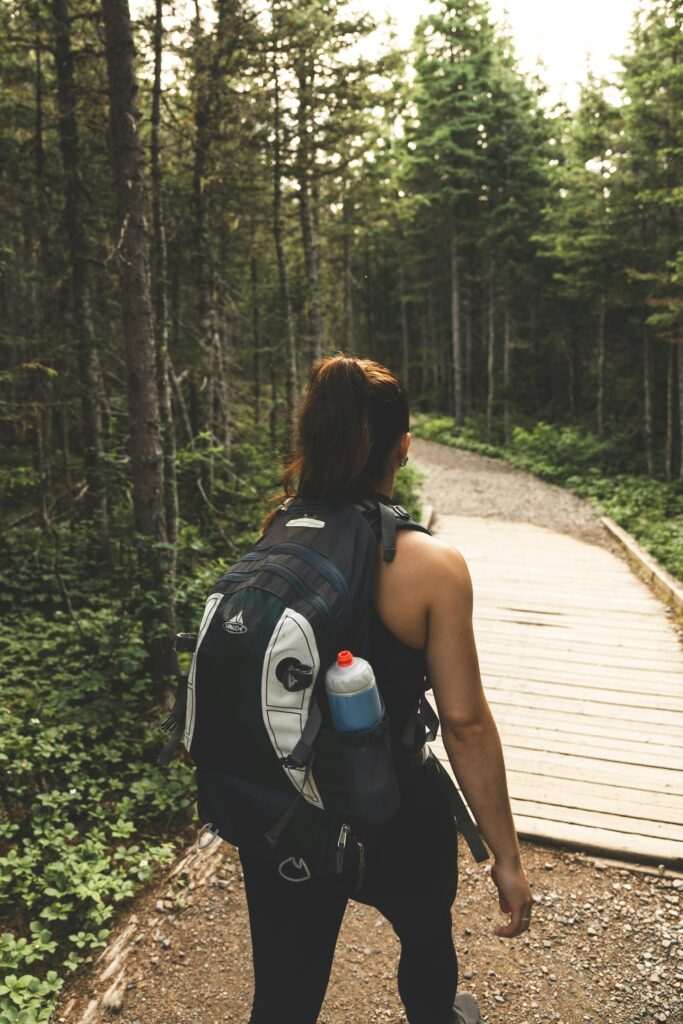
The Resurrection Pass Trail is Alaska’s classic multi-day backpacking route — 38 miles of genuine wilderness travel through the Kenai Peninsula, passing from boreal forest through subalpine tundra to a high pass before descending to the Kenai River country. It’s a backcountry trip of appropriate ambition: long enough to feel like real wilderness travel, well-maintained enough to be accessible to experienced backpackers without technical skills, and beautiful enough that most people finish it planning to come back.
Trail Overview
The trail runs 38 miles point-to-point, typically hiked from the Hope trailhead in the north to the Cooper Landing trailhead in the south (or reverse). Hope is a small historic mining community at the end of a spur road off the Sterling Highway, about 75 miles south of Anchorage. Cooper Landing is on the Sterling Highway, 100 miles from Anchorage.
The trail is managed by the Chugach National Forest and is part of the National Recreation Trail system. It’s one of the most popular backpacking routes in Alaska, which means the primitive wilderness experience is slightly less solitary than a true backcountry expedition — but it’s still remote, wildlife-rich terrain where you’ll go hours between encounters with other parties.
Typical Itinerary: 3 to 5 Days
Most parties do the trail in 3–5 days depending on fitness and how much time they want to spend at camp.
4-day option (Hope to Cooper Landing):
- Day 1: Hope TH to Caribou Creek Cabin (~7 miles, gradual ascent through boreal forest)
- Day 2: Caribou Creek to Fox Creek Cabin (~10 miles, trail climbs toward the pass)
- Day 3: Fox Creek over Resurrection Pass summit (2,600 ft) to Swan Lake Cabin (~11 miles, most dramatic scenery)
- Day 4: Swan Lake to Cooper Landing TH (~10 miles, descent through Kenai River valley)
A 3-day aggressive push is possible for strong hikers; 5 days with rest time at the high lakes is deeply enjoyable.
USFS Cabins: Reserve Early
The trail’s most significant practical feature is the network of USFS rental cabins spaced at roughly 10-mile intervals. These fully enclosed log structures sleep 4–6, include a wood stove, and keep you dry in the variable Kenai weather. Reservations are made through recreation.gov, open 6 months in advance, and the most popular summer dates (July especially) fill within hours of the booking window opening.
Best cabin selections for views and fishing: the Resurrection Pass Summit cabin sits at the highest point of the trail with panoramic alpine views. Swan Lake cabin has lake frontage and excellent trout fishing. Trout Lake cabin (south end) offers excellent pike fishing. Book your priority cabins first, then build the itinerary around them.
If you can’t get cabins, dispersed camping is permitted throughout the trail corridor with no permit required — set up at least 100 feet from water and the trail. The terrain offers abundant camping options.
Terrain and Conditions
The trail begins in dense boreal forest — spruce, birch, cottonwood — and climbs gradually through the first 15–18 miles before reaching the subalpine zone approaching Resurrection Pass. The pass summit is open tundra with expansive views. The southern descent is through the Kenai River valley, returning to forest.
Creek crossings are manageable in normal conditions; high water in early June (snowmelt) can make some crossings challenging. Mid-July through September is the most reliable window. The trail surface ranges from well-maintained to muddy in wet years — gaiters and waterproof boots are standard.
Weather on the Kenai Peninsula is unpredictable. Rain is common in any month. Pack a waterproof shelter, tarps or bivy for gear protection, and rain gear that you can actually hike in. Summer temperatures range from the 50s to low 70s; nights at elevation can be cold even in July.
Wildlife
Moose are the most commonly encountered large mammal — the forest habitat through the first half of the trail is prime moose country. Black bears are present throughout; store all food and scented items in bear canisters (required on this trail) or hang properly. Wolves have been seen in the corridor. Wolverines are occasional. At the high pass, look for Dall sheep on the surrounding ridges.
Resurrection Creek, which the trail parallels for much of the southern section, holds Dolly Varden, rainbow trout, and Arctic grayling. Bring a fishing license and ultralight gear if you fish — the creek provides legitimate trail fishing opportunities at several campsite locations.
Logistics: Trailhead Access and Car Shuttles
Point-to-point hiking requires a car shuttle. Options:
- Two-car shuttle: Leave a car at Cooper Landing, drive the other to Hope, hike south. Pick up the Hope car on a subsequent day.
- Commercial shuttle: Several Kenai Peninsula shuttle services offer trailhead transportation. Book in advance for summer weekends.
- Loop options: If shuttle logistics are difficult, the trail can be combined with the Devil’s Pass Trail to create a loop that returns to Hope.
Both trailheads are roughly 90–105 miles from Anchorage via the Seward and Sterling Highways. The Hope trailhead requires a 17-mile drive on a paved spur road through historic Hope.
Permits and Fees
No permit is required for the trail itself. USFS cabin reservations have a nightly fee (currently $45–$65 depending on the cabin). The parking areas at both trailheads have daily/weekly fees through Recreation.gov. A valid Alaska fishing license is required for any fishing.
Best Season
Late June through September offers the most reliable conditions. July and August are peak season — the best weather window, wildflowers on the pass, fishing in full swing. Early June is possible but snow can linger on the pass and creek levels run high. September brings fall color, fewer people, and cooler temperatures. The trail is not maintained in winter.
The Resurrection Pass Trail earns its status as Alaska’s definitive introductory backpacking route. The combination of achievable distances, reliable infrastructure (cabins as insurance against bad weather), genuine wildlife, and a route that carries you across the full landscape transition of the Kenai Peninsula makes it the right first Alaska backpacking trip and a worthy return destination.


No comments yet.