
Nenana Ice Classic 2026: Alaska’s Most Famous Springtime Tradition Explained
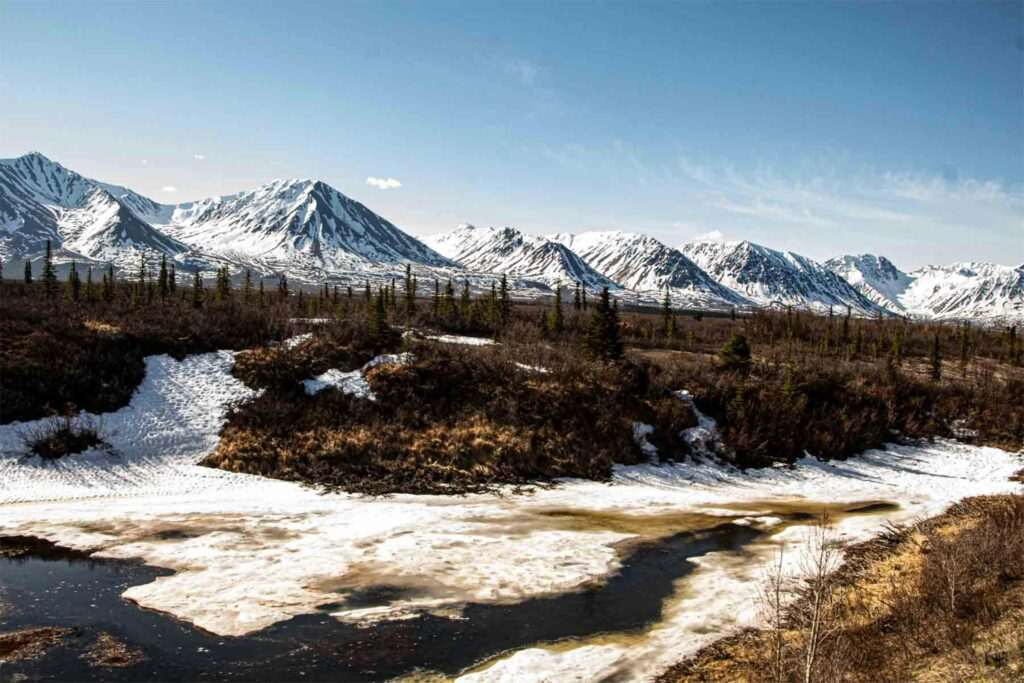
Sometime between late April and mid-May, a tripod standing on the frozen surface of the Tanana River near the small town of Nenana shifts. The ice beneath it — three to four feet thick through a long interior Alaska winter — has moved enough to pull a wire. The wire trips a clock. The clock stops, recording the exact hour and minute. Somewhere in Alaska, or anywhere in the world, someone holds a ticket with that precise time written on it and wins a jackpot that has exceeded $300,000.
This has been happening every year since 1917. Welcome to the Nenana Ice Classic — Alaska’s most beloved springtime tradition, equal parts folk celebration, community fundraiser, and honest reckoning with the power of winter.
A Tradition Born in 1917
The story goes that in the spring of 1917, a group of Alaska Railroad surveyors camped near Nenana grew restless waiting for the Tanana River to break up so they could resume their work. Someone suggested a pool — a dollar each, guess the time the ice goes out. The pot grew. The winner took all.
The tradition stuck. By the 1920s, it had spread beyond railroad workers into the broader Alaska community. By the 1940s, it was a statewide institution. Tickets were sold in general stores, post offices, and roadhouses across Alaska. In a state where winter lasts seven months and spring’s arrival is a genuine, deeply felt event, the Ice Classic gave that arrival a focal point — a moment everyone was watching for, together.
Today the Nenana Ice Classic Association sells tickets across Alaska, online, and through Alaska Airlines. The jackpot is divided equally among all tickets that name the exact winning minute. In years with no exact match, the pot rolls forward. Jackpots have exceeded $300,000. The tradition has run continuously for over a century.
How It Works: The Tripod, the Wire, the Clock
The mechanics are as elegant as the tradition. Each winter, the Nenana Ice Classic Association plants a wooden tripod in the center of the frozen Tanana River. A wire runs from the tripod’s base to a clock on shore. As long as the river ice holds, the tripod stands, the wire stays taut, and the clock runs.
When the ice weakens enough — whether from warming temperatures, snowmelt, or the upstream pressure of the Tanana’s spring runoff — the river begins to move. The tripod shifts with it, pulling the wire. The wire trips the clock mechanism, stopping it at the precise moment of breakup. That time, recorded to the minute, is the winning time.
There’s no technology involved beyond a wire and a clock. The tripod has been refined over the years — it’s now brightly painted and visible from shore — but the fundamental design hasn’t changed since the beginning. The river stops the clock. That’s the whole system.
How to Enter: Buying Your Ticket
Tickets cost $2.50 each, and you can buy as many as you want. Entry is open to anyone — Alaska residents, visitors, and people who’ve never set foot in the state. The Nenana Ice Classic Association sells tickets through multiple channels:
- Retail stores statewide: Fred Meyer locations, grocery stores, gas stations, and general stores throughout Alaska sell tickets during the entry window (typically February through April). You’ll find stacks of tickets near the checkout at most major Anchorage grocery stores.
- Alaska Airlines flights: Cabin crew often carry tickets on flights within Alaska during the entry season.
- Online: The Nenana Ice Classic website accepts online ticket purchases. Check the official site for the 2026 entry window opening date.
Each ticket is a carbon-copy form: you write your name, contact information, and your guessed date and time (month, day, hour, minute), keep one copy, and submit the other. The winning time is announced publicly within minutes of breakup — and if your copy matches, you contact the association to claim your share of the jackpot.
When Does Breakup Happen?
The official Ice Classic record spans over a century of breakup times, making it one of the longest continuous environmental datasets in Alaska — and climate researchers use it accordingly. The historical range runs from April 20th (the earliest recorded breakup) to May 20th, with the long-term average clustering around May 5th.
Recent decades have shown a measurable trend toward earlier breakup — a pattern consistent with warming temperatures in interior Alaska. Since 2000, the average breakup date has shifted noticeably earlier than the historical mean. But year-to-year variation remains substantial; a cold spring can push breakup into the second or third week of May even as the long-term trend runs earlier.
For visitors planning around the event: late April to early May offers the best probability window, but there are no guarantees. Alaskans who’ve watched the river for decades will tell you the Tanana decides on its own schedule.
The Town of Nenana
Nenana sits about 55 miles southwest of Fairbanks on the Parks Highway — roughly a two-hour drive from Anchorage (about halfway to Fairbanks). A town of approximately 350 residents, it occupies a bluff above the confluence of the Tanana and Nenana rivers, and it has been a significant transportation hub since the Alaska Railroad era.
Nenana Ice Classic Museum
The museum, operated by the Ice Classic Association, tells the full history of the tradition — original tickets, historical photographs, breakup records, and the story of notable jackpot years. It’s a genuine small-town museum done with care, open during the spring entry season and summer months. The museum is small but worth an hour; the history of the tradition is richer than it first appears.
Historic Railroad Depot
Nenana’s Alaska Railroad depot is one of the state’s best-preserved historic railroad stations. Built in 1923, it served as the construction headquarters for the final section of the Alaska Railroad and was the site of President Warren Harding’s ceremonial golden spike ceremony completing the railroad — the last public event of his presidency (Harding died in San Francisco on his return journey). The depot is now a museum and National Historic Landmark. Standing on the platform, you can see the Tanana River and the iconic highway bridge that has framed this view for a century.
The River View
The Tanana River at Nenana is enormous — a braided, glacier-fed river running brown with sediment, hundreds of yards wide. In late April and early May, watching the ice from shore as it shifts and cracks and piles up against itself is genuinely dramatic. Even visitors who’ve never bought a ticket find themselves drawn to the riverbank, watching the same river that has ended winter here for a very long time.
Building Nenana into Your Road Trip
Nenana is ideally positioned as a stop on the Parks Highway between Anchorage and Fairbanks. Several itinerary options work well:
- Anchorage → Nenana → Fairbanks (one-way, one day): Stop in Nenana for 1–2 hours (museum, depot, river view) before continuing to Fairbanks. The Parks Highway section through Healy and past Denali National Park’s entrance makes the drive worthwhile on its own.
- Denali → Nenana day trip: From the Denali area, Nenana is about an hour’s drive north — a manageable afternoon excursion during a Denali park stay.
- Spring breakup vigil: Travelers specifically timing their Alaska visit around Ice Classic breakup sometimes base themselves in Fairbanks and make daily drives to check the river and town, staying until the clock stops.
Why It Matters
There’s a reason the Nenana Ice Classic has lasted 108 years without significant modification. It isn’t primarily about the money, though a $300,000 jackpot gets attention. It’s about the fact that in Alaska, winter is not a minor season to be tolerated — it is a long, dark, cold presence that shapes everything, and its end is a genuine communal event. The Ice Classic gives that event a shared focal point, a mechanism for collective anticipation, and a winner who gets to symbolize the whole territory’s relief that the river moved.
For visitors, buying a ticket is an easy, cheap, and entirely genuine way to participate in something very old and very Alaskan. You don’t need to be in Nenana when it happens. You just need to be watching your phone when the time is announced, holding a slip of paper with a minute on it, and hoping the river cooperates.


No comments yet.