
Cycling & Mountain Biking in Anchorage 2026: Trails, Rentals & Fat Biking
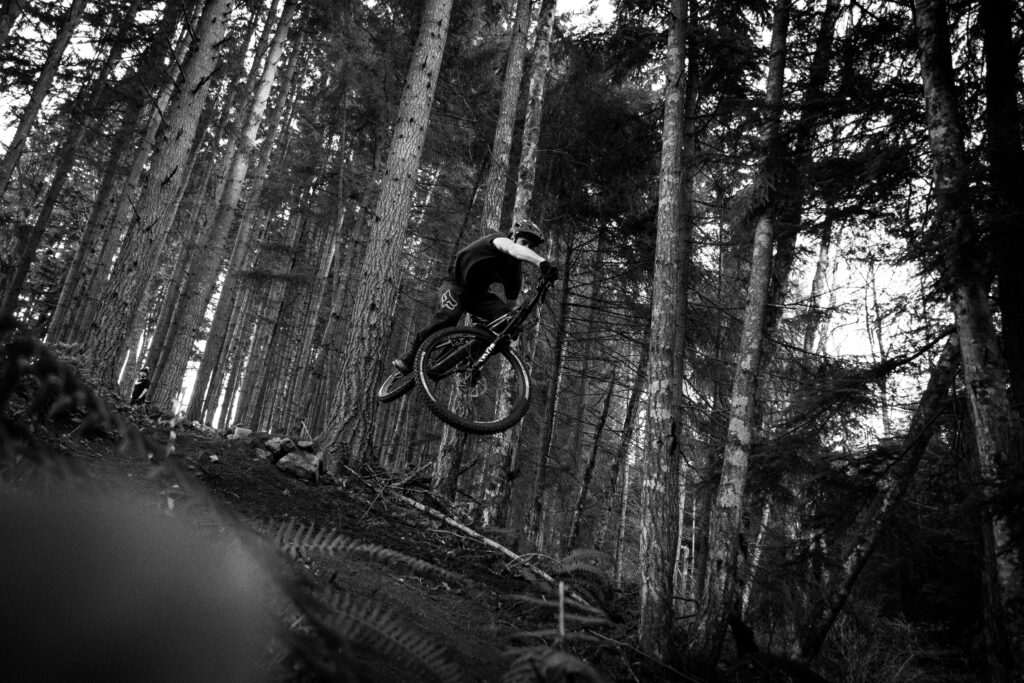
Anchorage is one of the most bike-friendly cities in North America, and that statement surprises people who expect Alaska to be purely a hiking-and-kayaking destination. The city has over 122 miles of paved multi-use trails that connect neighborhoods, parks, and coastline — a network that residents actually use year-round. Beyond the pavement, Hillside and Kincaid Park offer legitimate singletrack mountain biking. And in winter, fat biking on snow-packed trails is a major part of Anchorage’s outdoor culture. Whatever season you’re visiting, there’s a compelling reason to get on a bike.
Road and Path Cycling: The Anchorage Trail Network
The paved trail network is the backbone of cycling in Anchorage. With 122 miles of connected paths, it’s possible to ride significant distances across the city without touching a road — and the trails are well-maintained, wide enough for two-way traffic, and generally well-signed.
The standout route is the Tony Knowles Coastal Trail, an 11-mile paved path that runs along the west side of the Anchorage bowl, hugging the shoreline from downtown to Kincaid Park. This trail delivers views of the Knik Arm, the Alaska Range on clear days, Denali visible from certain vantage points, and consistent wildlife sightings — moose on the trail itself are common enough that signage warns cyclists to give them distance. The Coastal Trail is largely flat and accessible for riders of all abilities, and connects into the wider trail network at multiple points.
From downtown, the trail network extends east toward the mountains, with paths connecting to Goose Lake, University Lake Park, and further into South Anchorage. The Lanie Fleischer Chester Creek Trail follows Chester Creek from the coast through midtown to Russian Jack Springs Park. Most major residential neighborhoods have direct trail access, making practical cycling commutes genuinely viable.
For visitors: The Coastal Trail from downtown to Kincaid Park and back (22 miles round trip) is the classic Anchorage bike route — achievable in 2–3 hours at a comfortable pace, with coffee and food options near the trailhead. Start at the western end of 2nd Avenue downtown.
Mountain Biking: Hillside and Kincaid
For riders who want dirt, Anchorage punches above its weight. Two areas define mountain biking here:
Hillside Trail System: The network of trails on Anchorage’s eastern hillside — maintained largely by the Mountainbike Anchorage trail advocacy organization — offers a range of singletrack from accessible cross-country loops to more technical terrain. The hillside sits at the base of Chugach State Park, and many trails connect directly into park land. Expect mixed terrain: forested singletrack, open ridge sections with city views, and technical rocky features at the harder end of the system. The Chugach State Park Trail Systems extend well beyond the hillside proper, offering everything from accessible doubletrack to multi-day backcountry routes — though the latter are hiking rather than biking territory.
Kincaid Park: At the southwest end of the city, Kincaid Park has a purpose-built mountain bike trail network that’s well-regarded regionally. The trails are loamy, well-maintained, and cover a good range of difficulty levels. Kincaid hosts local races and has strong community trail stewardship. The park’s coastal location means conditions can be wetter than Hillside, so timing matters — mid-summer through early fall tends to be the best window.
South Anchorage trails: The trails around Glen Alps, Powerline Pass access, and south Anchorage hillside areas offer more remote mountain biking with significant elevation and stunning scenery. These are more committing routes — better suited to riders who want a full-day adventure and have backcountry experience. Guided outdoor adventures with companies like Adventures by True North can help you access the best terrain with local knowledge of current conditions.
Fat Biking: Anchorage in Winter
Fat biking — riding on oversized tires (typically 3.8–5 inches wide) that float on snow — has become one of Anchorage’s signature winter activities. The same trail network that’s popular for paved cycling in summer transforms into a groomed fat bike system from roughly November through March, when snowpack permits.
The Municipality grooms many trails specifically for fat biking, and conditions are actively tracked and reported by the local cycling community. The Coastal Trail, Hillside trails, and Kincaid all see fat bike traffic through winter. When conditions are right — fresh grooming after a snowfall, clear skies, temperatures around 10–25°F — fat biking in Anchorage is one of the most distinct outdoor experiences the city offers.
Key winter biking notes:
- Trail conditions vary significantly: After fresh snow, grooming takes 24–48 hours to firm up. Wet heavy snow creates poor riding. Check trail condition reports from Mountainbike Anchorage before heading out.
- Gear up properly: Pogies (handlebar mitts), insulated cycling boots or overshoes, and wind-blocking layers are essential below 15°F. Regular cycling gloves are inadequate for extended cold-weather riding.
- Daylight is limited: December and January offer roughly 5–6 hours of usable daylight. Lights are mandatory for any ride that might extend into dusk.
The Mayor’s Cup Mountain Bike Race
The Mayor’s Cup is Anchorage’s signature mountain bike race event, typically held in summer on the Hillside and Kincaid trail systems. It attracts competitive riders from across Alaska and brings out the broader Anchorage cycling community for a weekend of racing across multiple categories. If you’re visiting in summer and have any interest in the local mountain bike scene, checking the current year’s schedule is worthwhile — it’s a good way to see how strong the Anchorage riding community is and to meet locals who can point you toward the best trails.
Where to Rent Bikes in Anchorage
Several rental options cover different needs:
Trail and mountain bike rentals: A handful of local shops rent quality mountain bikes — hardtails and full-suspension — for day and multi-day use. Pablo’s Bicycle Rentals has been one of the go-to options near the Coastal Trail for straightforward path cycling. For mountain bike-specific rentals, shops in the hillside area and some outdoor outfitters carry trail bikes.
E-bike rentals: Electric bikes have become increasingly available in Anchorage for visitors who want to cover more ground on the paved trail network. E-bike rental services operate seasonally — availability is best from May through September.
Fat bike rentals: Winter fat bike rental is available from select shops through the ski season. Inventory is limited, so booking ahead for winter visits is strongly recommended.
What to expect: Budget $40–$80 per day for a quality rental bike, depending on bike type. Helmet rental is typically included or available for a nominal fee. Shops will provide basic trail maps and advice on conditions when you pick up.
Bike-Friendly Commuting and City Infrastructure
Anchorage’s trail network makes it genuinely viable to move around the city by bike. The trails connect residential neighborhoods to shopping corridors, parks, and downtown — many commuters use them daily from spring through fall. Dedicated bike lanes exist on several major roads, though the trail system is where most cycling happens. Bike parking at downtown businesses, parks, and transit hubs is generally available.
For visitors using bikes for transportation, the key is understanding which destinations connect to the trail network. The Coastal Trail puts you near downtown, Westchester Lagoon, and Kincaid. Chester Creek Trail reaches midtown and university area. For destinations in East Anchorage or off the paved network, surface roads are the option — Anchorage has marked bike routes on lower-traffic streets, but they don’t match the trail system for comfort or safety.
Riding Safely in Bear Country
Anchorage’s trail network runs through active moose and bear habitat. This is not hypothetical — both black bears and brown bears are present on Hillside and in Kincaid, and moose on trails are a near-daily occurrence for regular riders. Standard precautions apply:
- Make noise: A bell, periodic verbal warnings around blind corners, or simply talking with riding partners. The goal is to avoid surprising wildlife. Fast, quiet solo riders on technical singletrack are at higher risk of unexpected encounters than groups who make noise.
- Carry bear spray: For Hillside and backcountry riding, bear spray is recommended — and it needs to be accessible, not buried in a pack. Hip-belt holsters or frame mounts work for bikes.
- Don’t approach moose: Moose on trail may not move. Give them space and time, or take an alternate route. A cow moose with a calf is particularly defensive and should not be pressured.
- Ride with others when possible: Group riding in bear habitat is meaningfully safer than solo riding in terms of deterring wildlife encounters.
- Know the season: Late August and September bring bears actively feeding before winter. This is also peak trail season — awareness should be higher, not lower.
Anchorage riders live with this reality year-round and generally navigate it without incident. The key is awareness and making noise — not fear or avoidance of the trails.
Planning Your Ride
For first-time visitors, the progression is: start with the Tony Knowles Coastal Trail for an accessible, scenic introduction to Anchorage by bike. If you want mountain biking, head to Kincaid for groomed, purpose-built singletrack, or to Hillside for a broader trail system with more natural character. In winter, fat biking is available and genuinely excellent — it just requires the right gear and attention to conditions.
Anchorage has more trail miles, more riding variety, and a stronger cycling community than most visitors expect. Whether you’re on a rental for an afternoon or travelling with your own bike, it’s worth spending time on two wheels here.


No comments yet.