
Alaska National Parks Near Anchorage 2026: Denali, Kenai Fjords, Katmai & More
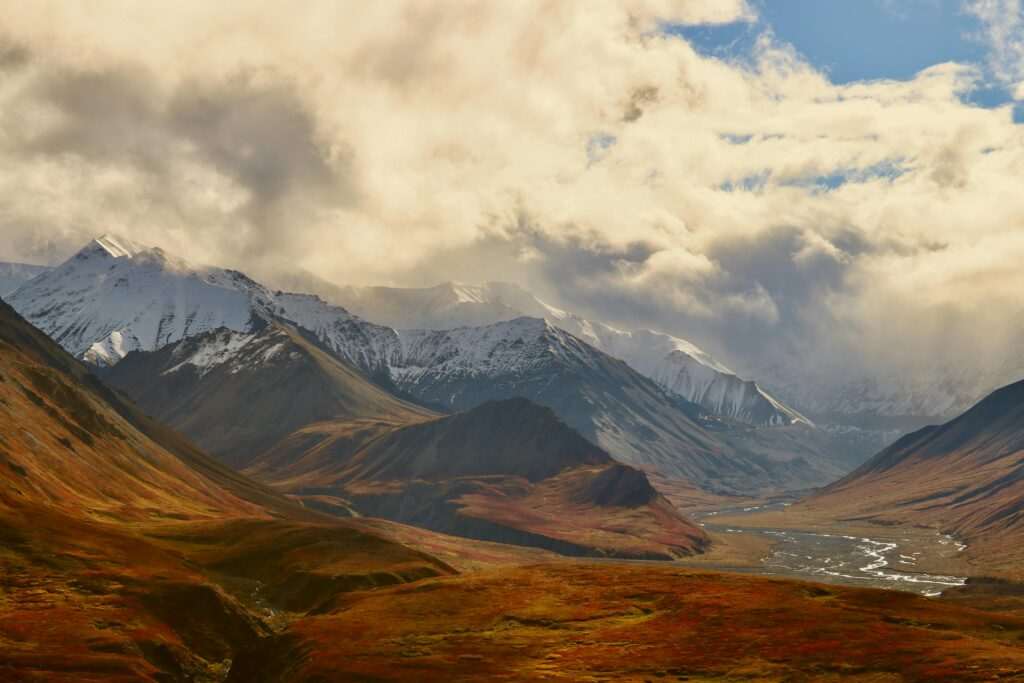
Alaska has eight national parks, and Anchorage is within practical reach of five of them. That range — from the iconic to the genuinely remote — makes the city one of the best bases for national park exploration in North America. What “within reach” means varies considerably: Kenai Fjords is a 2.5-hour drive; Katmai requires a flight. Here’s what you need to know about each one to plan your visit realistically.
1. Denali National Park & Preserve
Access: 4-hour drive north on the Parks Highway (AK-3). The Alaska Railroad also runs a seasonal service from Anchorage to Denali, which is worth considering if you don’t want to drive.
Best season: Late May through early September. The park road opens progressively through late spring; the full road is typically accessible by mid-June. September brings fall color and thinner crowds but shorter days and unpredictable weather.
Denali is North America’s highest peak at 20,310 feet, and the park that surrounds it is one of the great wildlife reserves on the continent. The critical thing to understand before visiting is the bus-only access system: beyond the first 15 miles of the park road (accessible to private vehicles), all travel must be on one of the park’s transit or tour buses. This isn’t a limitation — it’s part of what makes Denali work. The bus system puts you in the middle of open tundra rather than a car queue, and wildlife sightings (grizzly bears, moose, caribou, Dall sheep, wolves) happen frequently because animals have become accustomed to the buses but not to the noise and unpredictability of private vehicles.
One-day option: Drive up from Anchorage, catch an early bus into the park (book well in advance — buses sell out, especially for the longer routes), spend 4–8 hours on the road, return to Anchorage. Long but doable. The 8-hour Tundra Wilderness Tour is a good structured option for first-timers.
Multi-day: Staying at the Denali area overnight — either in Kantishna (inside the park), at the lodges near the park entrance on the Parks Highway, or in the town of Talkeetna to the south — gives you more flexibility. Talkeetna is also the launching point for flightseeing tours over Denali, which on a clear day is among the most spectacular things you can do in Alaska.
Time needed: Minimum one full day for a meaningful visit. Two to three days allows you to see the park properly and take a flightseeing trip.
2. Kenai Fjords National Park
Access: 2.5-hour drive south on the Seward Highway to the town of Seward. This is one of the most scenic drives in the country — the road follows Turnagain Arm before turning south through the Kenai Peninsula mountains.
Best season: May through September for boat tours; Exit Glacier is accessible year-round, though the access road closes in winter.
Kenai Fjords encompasses the Harding Icefield — one of the largest icefields in the US — and the tidewater glaciers that calve from it into the sea. The park is best experienced from the water. Day-long boat tours from Seward’s small boat harbor take visitors into the fjords for glacier viewing, wildlife watching (sea otters, Steller sea lions, orcas, humpback whales, puffins, murrelets, and more), and the dramatic sight of active tidewater glaciers. These tours sell out in peak season; book weeks in advance for summer visits.
Exit Glacier is the park’s most accessible area — a short drive from Seward leads to the glacier’s base, with trail options ranging from a flat paved path to the glacier viewpoint (suitable for most fitness levels) to a strenuous full-day hike up to the Harding Icefield overlook. The lower trail to the glacier face is one of the best easy walks in the Alaska national park system.
Whittier option: Some boat tours depart from Whittier rather than Seward, accessing different parts of Prince William Sound. Whittier is closer to Anchorage (about 1 hour via the Anton Anderson Memorial Tunnel). For wildlife cruises in the PWS area, the Prince William Sound Kayak Center based in Whittier offers paddling access to the same stunning coastal scenery.
Time needed: One full day minimum (drive down, boat tour, drive back). Two days allows an overnight in Seward, a boat tour, and an Exit Glacier hike without rushing.
3. Lake Clark National Park & Preserve
Access: Fly-in only. Float plane charters from Anchorage reach the park in approximately 1 hour. There are no roads into Lake Clark. This is one of the least-visited national parks in the US entirely because of the access requirement.
Best season: Late June through early September. July and early August for bear viewing.
Lake Clark is spectacularly beautiful and genuinely remote. The park spans three distinct ecosystems: Pacific Coast rainforest, alpine tundra, and boreal forest, all in one protected area larger than Connecticut. The main visitor draws are bear viewing — coastal brown bears congregate at sedge flats and salmon streams through the summer, and viewing opportunities at places like Silver Salmon Creek Lodge are among the best in Alaska — and the sheer wilderness scale of the landscape.
Visiting Lake Clark requires either booking a wilderness lodge (expensive but all-inclusive) or flying in on day trips via float plane charter. Several Anchorage-based air taxi operators fly directly to Port Alsworth (the one small community in the park) and to specific bear-viewing locations. Day bear-viewing trips from Anchorage typically run $500–$900 per person; multi-day lodge packages run considerably more but include everything.
Time needed: Day trip minimum (fly-in, bear viewing, fly-out). 2–5 days for a lodge stay.
4. Katmai National Park & Preserve
Access: Fly from Anchorage to King Salmon (commercial flight, ~1 hour), then float plane or small plane to Brooks Camp within the park. Total travel time from Anchorage door to Brooks Camp: approximately 3 hours.
Best season: July for the salmon run and bear gathering at Brooks Falls. September for the “Fat Bear Week” build-up, when bears are at maximum weight before hibernation.
Katmai is famous for one thing above almost anything else in Alaska: Brooks Falls, where brown bears congregate in July to catch sockeye salmon as they leap the falls on their upstream migration. At peak times, a dozen or more bears may be fishing simultaneously at the falls platform, with bears standing in the churning water and catching salmon in mid-air. It’s one of the most extraordinary wildlife spectacles on the planet, and it’s reliably viewable — not a matter of luck or timing within the season the way many wildlife experiences are.
Brooks Camp has a lodge, a campground (extremely competitive permit lottery), and a visitor center. The falls viewing platform has limited capacity and operates on a timed queue system during peak periods. Book the lodge or campground as far in advance as possible — peak July dates fill months ahead.
Beyond bears, Katmai contains the Valley of Ten Thousand Smokes — the volcanic landscape created by the 1912 Novarupta eruption, one of the largest volcanic eruptions of the 20th century. Bus tours into the valley run from Brooks Camp.
Time needed: 2–4 days to justify the travel and experience the falls properly. Day trips from Anchorage are possible via air taxi packages but expensive and leave little margin for weather delays.
5. Wrangell-St. Elias National Park & Preserve
Access: 6–7 hour drive east from Anchorage via the Glenn Highway and Tok Cutoff, then south on the Edgerton Highway or Nabesna Road. The park’s main visitor center is near Copper Center.
Best season: June through August. Roads into the park are unpaved and can be rough; check conditions before driving.
Wrangell-St. Elias is the largest national park in the United States — larger than the entire country of Switzerland, larger than Yellowstone, Yosemite, and Grand Canyon combined. The scale is hard to conceptualize until you’re in it. The park contains nine of the sixteen highest peaks in the US, the largest non-polar icefield in North America, and the historic copper mining town of Kennecott (accessible via the 60-mile unpaved McCarthy Road).
The drive from Anchorage is long and requires a full day each way, making this a genuine multi-day trip rather than a day excursion. Kennecott and the adjacent town of McCarthy are the main visitor destinations — the historic mine buildings at Kennecott are a National Historic Landmark, and guided glacier hikes and flightseeing tours operate from McCarthy. The Kennecott Glacier is one of the most accessible large glaciers in Alaska.
Time needed: 3–5 days minimum to justify the drive. A weekend trip is possible but rushed; 4–5 days lets you explore McCarthy, hike on the glacier, and drive the park’s road network without feeling like you’re rushing the whole time.
Planning From Anchorage: Practical Notes
A few things that apply across all five parks:
- Book early. Denali buses, Kenai Fjords boat tours, Katmai lodge permits, and fly-in bear viewing packages all sell out well in advance for peak summer dates. Planning 3–6 months ahead is not excessive for July and August.
- Weather matters enormously. Clear days at Denali are not guaranteed — Denali is only visible about 30% of the time due to cloud cover. Float plane access to Lake Clark and Katmai is weather-dependent. Build flexibility into your itinerary.
- Bear spray applies everywhere. Any Alaska national park backcountry visit warrants bear spray carried accessibly.
For guided day trips and multi-day tours to the parks accessible by road, Get Up and Go Tours and Adventures by True North both run Anchorage-based experiences that can help you make the most of the parks without navigating logistics from scratch. For the fly-in parks, dedicated air taxi operators are the key — both parks’ NPS websites list authorized concessioners.
Five national parks within practical reach of one city. That’s an unusual thing, and it’s one of the strongest arguments for making Anchorage your Alaska base rather than trying to island-hop between destinations.
Featured photo by John Fairchild via Pexels.

No comments yet.