
Wildlife Watching in Anchorage 2026: Where to Spot Alaska Animals
Anchorage isn’t just a gateway to Alaska’s wilderness — it’s part of it. The city is hemmed in by Chugach State Park on three sides and Cook Inlet on the fourth, which means genuine Alaska wildlife encounters happen within city limits on a regular basis. Here’s where to find them, when to go, and what to watch for in 2026.
Moose: Alaska’s Urban Megafauna
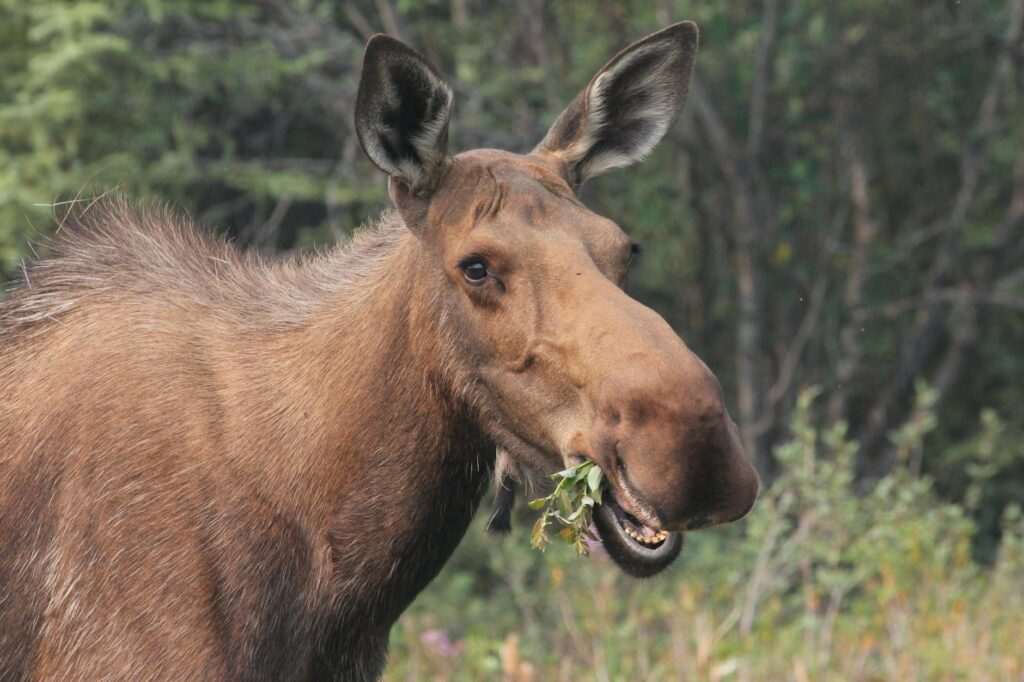
Anchorage has a resident moose population estimated at 250–350 animals, and they behave exactly as you’d expect from an animal that weighs up to 1,600 pounds and has no natural fear of humans: they go where they want. That includes residential yards, school playgrounds, and the city’s trail system.
The best moose viewing spots are the urban greenbelts. The Campbell Creek Trail that runs through South Anchorage is one of the most reliable year-round locations — moose use the creek corridor heavily, especially in early morning and late evening. Kincaid Park and the Chugach foothills near Hillside Drive are also productive. Mothers with calves are common in May and June; they’re also the most dangerous moose you’ll encounter.
Best months: Year-round, but May–June (calves) and September–October (rutting bulls) are the most dramatic. Early morning and evening are far better than midday.
Gear: Binoculars aren’t necessary — moose are big enough to observe with the naked eye, often uncomfortably close.
Safety note: Moose kill more people in Alaska than bears do. A moose that pins its ears back, raises its hackles, or licks its lips is about to charge. If one approaches you on a trail, get behind the largest tree or solid object available. Never get between a cow and her calf. Give every moose a minimum 50-foot buffer — more if it’s showing stress signals.
Beluga Whales: The White Whales of Cook Inlet
Cook Inlet hosts a small, genetically distinct population of beluga whales that’s visible from shore at several points near Anchorage. These aren’t rare deep-ocean sightings — belugas regularly feed in the inlet’s shallow waters, and on the right day you’ll see dozens of white forms rolling through the gray water.
The best shore-based viewing is along the Seward Highway south of Anchorage. Cook Inlet Beluga Whale Viewing at Beluga Point — about 14 miles south of downtown — is the most reliable spot, with a pullout and interpretive signage. The Tony Knowles Coastal Trail also offers frequent Cook Inlet views, and belugas have been spotted from the trail during high-salmon periods.
Best months: June through August, when salmon runs draw belugas up the inlet to feed. Incoming tides push the fish — and the whales — closer to shore.
Gear: Binoculars help significantly for identifying individual whales and watching behavior at distance. A spotting scope is worth it if you have one.
Bald Eagles and Shorebirds: Potter Marsh
The Potter Marsh Bird Sanctuary boardwalk, 12 miles south of downtown on the Seward Highway, is Anchorage’s premier birdwatching site and one of the most accessible in Alaska. During peak migration (May and August–September), the marsh hosts arctic terns, trumpeter swans, red-necked grebes, yellowlegs, and sandpipers in impressive numbers. Bald eagles are a near-daily presence year-round — they roost in the cottonwood trees along the marsh edge and cruise the shoreline looking for fish.
Bald eagles are also regularly spotted along Ship Creek, where they compete with fishermen for salmon access, and from the Tony Knowles Coastal Trail during high-salmon periods. On the Seward Highway stretch between Anchorage and Bird Point, eagle concentrations in fall can be remarkable.
Best months: May for spring migration; August–September for fall shorebirds and salmon. Eagles are present year-round.
Gear: Binoculars are essential for shorebirds. A camera with a 200mm+ lens will get you usable eagle shots.
Salmon: Running Right Through Downtown
King and sockeye salmon push up Ship Creek through the heart of Anchorage every summer — it’s one of the most unusual urban salmon runs in the world. Watching from the free public platform near the Ship Creek hatchery gives you an overhead view of fish holding in pools and working upstream. At peak run, you’ll see hundreds of large salmon clearly visible below you.
For a more natural setting, the Bird Creek Trail about 25 miles south of Anchorage (off the Seward Highway) follows an excellent salmon stream through a broad valley with Chugach mountain views. Pink and silver salmon run here in late July and August. Viewing the run from the bank is free; fishing requires an Alaska Sport Fishing License.
Best months: King salmon in Ship Creek: mid-June to mid-July. Sockeye: July. Pinks and silvers at Bird Creek: late July through August.
Gear: None required for viewing. Polarized sunglasses significantly improve underwater visibility on sunny days.
Bears: Real Expectations Near the City
Black bears are present throughout Chugach State Park, and brown bears exist in the backcountry — but honest wildlife watching near Anchorage means setting realistic expectations. Bear sightings within the city’s trail system happen, but they’re uncommon and typically brief. You’re most likely to see a black bear on trails in the wooded lower Chugach, particularly in berry season (August–September).
For guaranteed close encounters with Alaska’s brown bears in natural settings, you’ll need to travel — Katmai National Park (July salmon run at Brooks Falls) and McNeil River are the gold standards. Closer to Anchorage, the Alaska Wildlife Conservation Center in Portage (45 minutes south) houses non-releasable brown and black bears in large natural enclosures and is a genuinely excellent facility supporting wildlife rescue.
Best months for Chugach black bears: August–September in berry areas at treeline.
Bear safety: Carry bear spray on every Chugach hike, keep it accessible, and know how to use it. Travel in groups, make noise on dense-brush trails, and give any bear you encounter substantial space. Brown bears are rare below treeline near Anchorage; black bears will almost always move off quickly if you’re calm and give them an exit route.
Practical Tips for Wildlife Watchers
- Go early. Dawn is consistently the best wildlife window for moose, bears, and most birds. Salmon runs are visible all day but activity peaks at dawn and dusk.
- Bring binoculars. A 8×42 or 10×42 pair is the single most useful wildlife watching tool for Anchorage — essential for belugas and shorebirds, helpful for everything else.
- Don’t approach. The best wildlife encounters are patient ones. Sit still and let the animals move naturally; they’ll often come closer on their own.
- Know the seasons. May–September is the peak window for most species, but each animal has its own calendar — moose calves in May, belugas in July, eagles year-round, bears in August.
- Respect private property. Moose often wander into residential areas. Watch from the street; don’t enter yards.
Where is the best place to see moose in Anchorage?
Campbell Creek Trail, Kincaid Park, and the Chugach foothills trails near Hillside Drive are the most reliable moose viewing spots. Moose are year-round residents — early morning and evening give the best odds. May and June bring cows with calves; September brings rutting bulls. Always give moose at least 50 feet of space.
Can you see beluga whales from shore near Anchorage?
Yes — Beluga Point on the Seward Highway, about 14 miles south of downtown, is the premier shore-based beluga viewing spot. Belugas are most active in Cook Inlet from June through August when salmon runs attract them inshore. Binoculars significantly improve the experience. The Tony Knowles Coastal Trail also offers Cook Inlet views where belugas are occasionally spotted.
What wildlife is most commonly seen in Anchorage?
Moose are by far the most commonly seen large wildlife — Anchorage’s resident herd of 250–350 animals means encounters in parks, trails, and even neighborhoods are routine. Bald eagles are nearly daily at Potter Marsh and Ship Creek. Salmon are visible in Ship Creek from mid-June through August without any special equipment or travel.
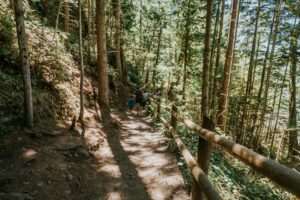
Featured photo by Jay Cathcart on Pexels.
No comments yet.