
Biathlon in Anchorage 2026 — Ski & Shoot at Kincaid Park’s World-Class Facility
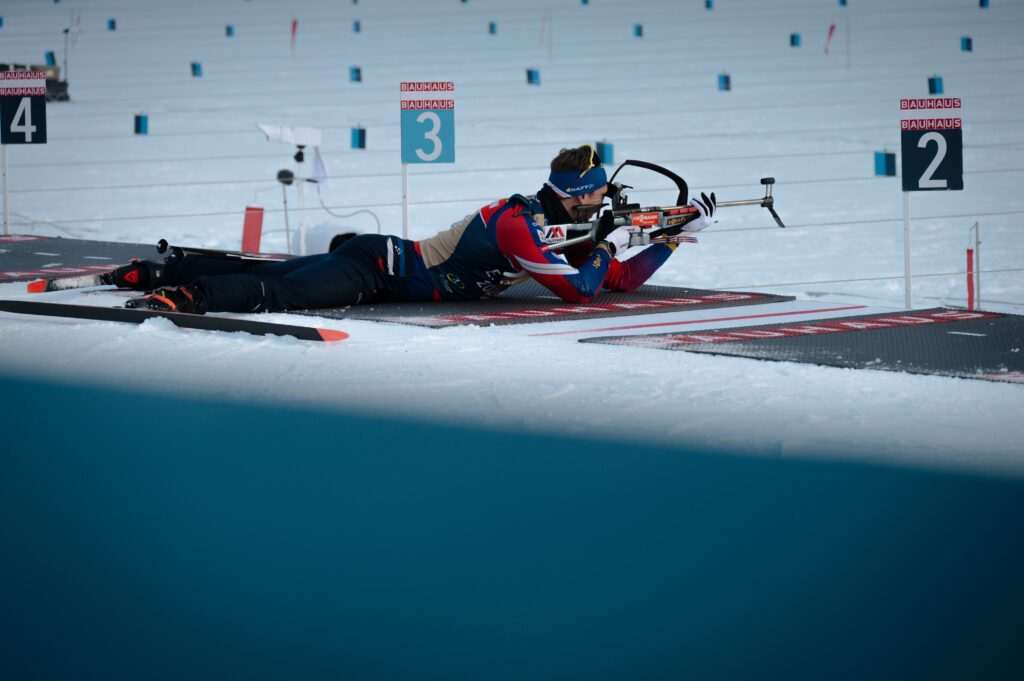
Biathlon — the Olympic sport combining cross-country skiing and precision rifle shooting — has an unlikely stronghold in Anchorage, Alaska. Kincaid Park on the city’s western edge hosts one of North America’s finest biathlon facilities, a venue that has hosted national championships, World Cup qualifying events, and hundreds of recreational participants who show up simply to try the sport for the first time. The combination of groomed Nordic ski trails and a formal shooting range with targets set at 50 meters makes Kincaid a rare place where the full biathlon experience is accessible to complete beginners — no prior shooting or skiing experience required. For visitors to Anchorage who want something genuinely unusual from their itinerary, a biathlon session at Kincaid is hard to match.
Kincaid Park — A World-Class Facility in a City Park
Kincaid Park covers 1,400 acres in the southwest corner of Anchorage, bounded by Cook Inlet to the west and Earthquake Park and the coastal bluffs to the north. It is the city’s largest park and the anchor of Anchorage’s Nordic skiing infrastructure — a network of over 30 kilometers of groomed trails maintained by Anchorage Parks and Recreation from roughly November through March, depending on snow conditions.
The biathlon range sits adjacent to the Kincaid Outdoor Center, a warming facility and equipment rental hub that serves both recreational skiers and competitive biathletes. The range is a permanent installation with electronic target systems — the same format used in international competition — where small steel targets flip from black (missed) to white (hit) on impact, giving shooters immediate feedback without retrieving targets. The range includes both prone (lying down) and standing shooting positions, corresponding to the two positions used in official biathlon competition.
How Biathlon Works
In competition biathlon, athletes ski a designated loop and stop at the shooting range, where they fire at five targets from a distance of 50 meters. Missed shots result in penalty loops (additional distance) or penalty time added to the total. The combination of cardiovascular stress from skiing and the precision control required for accurate shooting creates a physiological challenge unlike any other sport — heart rates in the 180+ bpm range must be rapidly controlled to steady the rifle enough to hit a target roughly the size of a CD at 50 meters (prone) or a grapefruit (standing).
Recreational biathlon at Kincaid does not require competition-level fitness. Beginners ski shorter loops or simply walk to the range, shoot at targets with light .22 caliber rifles, and experience the basic mechanics of the sport without time pressure. The .22 LR cartridge used in biathlon is genuinely low-recoil and easy to handle — the challenge is breath control and trigger discipline rather than managing a powerful firearm.
Public Clinics and Beginner Sessions
The Anchorage Biathlon Club operates public clinics throughout the winter season at Kincaid, targeting first-time participants alongside improving recreational athletes. A typical beginner clinic runs two to three hours and includes rifle handling instruction, range safety orientation, prone and standing shooting practice, and a short ski loop to experience the transition from skiing to shooting that defines the sport.
Equipment for clinic participants is provided: biathlon rifles (lightweight .22 caliber bolt-action rifles fitted with rear aperture sights), ammunition, targets, and access to the range. Cross-country ski equipment is available for rental at the Kincaid Outdoor Center for participants who do not own their own gear. Clothing requirements are simple — winter layers appropriate for cold-weather outdoor activity, waterproof outer layers for prone shooting in snow, and boots compatible with rented ski bindings.
Clinic schedules vary by season and instructor availability. The Anchorage Biathlon Club website publishes current dates; the club also coordinates with Anchorage Parks and Recreation for special events that open range access to the broader public. Booking in advance is strongly recommended — beginner clinic spots fill quickly, particularly during January and February when interest peaks alongside the competitive season.
Alaska’s Biathlon Heritage
Alaska’s connection to biathlon runs deeper than most visitors realize. The sport’s military origins — the patrol race combining cross-country skiing and marksmanship has been practiced since the 1700s in Scandinavian armies — align naturally with Alaska’s culture of subsistence hunting and cold-weather self-sufficiency. The state has produced competitive biathletes at the national and international level consistently since biathlon entered the Winter Olympics in 1960. Kincaid Park hosted the 1994 National Biathlon Championships and has been a regular venue for US Biathlon national qualifying events.
Several Anchorage residents have represented the United States in Olympic biathlon competition, and the visible presence of serious competitive athletes training at Kincaid alongside recreational beginners gives the facility a credibility that most public sports venues lack. It is not unusual during a beginner clinic at Kincaid to share the trails with athletes who have raced on the World Cup circuit — the same tracks serve everyone from first-timers to elite competitors.
Summer and Roller-Ski Biathlon
Biathlon is not exclusively a winter activity at Kincaid. When the snow melts, the facility transitions to roller-ski biathlon — athletes replace on-snow skis with inline roller skis designed to simulate cross-country skiing technique on paved surfaces. The biathlon shooting range operates year-round, and the Kincaid Park paved trail network provides the rollerskiing loops.
Summer biathlon at Kincaid is less well-known than the winter version but offers the same core experience — shooting at the range after cardiovascular exertion — without requiring snow or Nordic ski equipment. Roller skis can be rented at the Kincaid Outdoor Center, though summer availability is more limited than winter ski rentals. Visitors arriving in summer who want the biathlon shooting experience can sometimes arrange a range-only session through the biathlon club to experience the shooting mechanics without the skiing component.
Cross-Country Skiing Beyond Biathlon
Kincaid Park’s Nordic skiing infrastructure extends well beyond the biathlon facility. The park maintains trails ranging from gentle flat loops around the park’s interior bowl to more demanding terrain on the bluff edges that overlook Cook Inlet. The Kincaid Outdoor Center offers classic and skate ski rentals and provides trail conditions reports throughout the season.
For cross-country skiers who want to explore beyond Kincaid, the Tony Knowles Coastal Trail runs adjacent to the park along the Cook Inlet shoreline and is groomed for skiing when snow conditions allow. The trail offers a fundamentally different experience from the interior park loops — wide open views across the inlet to the Alaska Range rather than the forested bowl of Kincaid’s main trail network. The two complement each other naturally as a full-day Nordic ski outing from the same parking area.
Getting to Kincaid Park and Planning Your Visit
Kincaid Park is located at the end of Raspberry Road in southwest Anchorage, approximately 10 miles from downtown via the Seward Highway and Raspberry Road. The drive takes about 20 minutes from central Anchorage. Parking is available at the Kincaid Outdoor Center; on busy winter weekends the lot fills early, so arriving before 10 a.m. is advisable.
The Kincaid Outdoor Center hours vary by season and day — check Anchorage Parks and Recreation for current operating hours before visiting. The center typically opens at 9 or 10 a.m. on winter days and closes in mid-afternoon. Trail access is available whenever trails are groomed; the center opens for equipment rental during staffed hours.
Visitors building a multi-day outdoor itinerary around Anchorage can pair a Kincaid biathlon session with other winter activities across the city. Chugach State Park maintains winter access at several eastern Anchorage trailheads for snowshoeing and backcountry skiing in the foothills. The Westchester Lagoon, about three miles from downtown, offers ice skating and a flat perimeter trail that is a different style of winter recreation from Kincaid’s athletic terrain — good for a lower-intensity complement to a morning of biathlon shooting.
Frequently Asked Questions
Do I need skiing or shooting experience to try biathlon at Kincaid? No. Beginner clinics at the Anchorage Biathlon Club are designed for participants with no prior experience in either discipline. Rifle handling instruction and range safety are covered before participants touch a firearm. Cross-country ski instruction is available for those new to the skiing component.
What rifles are used in biathlon? Biathlon uses .22 LR caliber bolt-action rifles with rear aperture (peep) sights — not scopes. The cartridge is low-recoil and designed for precision at 50 meters. The rifles used at Kincaid range sessions are club-owned biathlon rifles, not hunting rifles or general purpose firearms.
When is biathlon at Kincaid available? Winter biathlon runs from roughly November through March, dependent on snow coverage. Summer roller-ski biathlon is available from June through September on paved trails. The shooting range operates year-round for organized club events and public clinics. Check the Anchorage Biathlon Club website for current clinic dates and range hours.
Is biathlon appropriate for children? Yes, with appropriate supervision. The Anchorage Biathlon Club runs junior programs for youth athletes. For family clinic participation, children who can safely follow range safety rules and control a lightweight rifle (typically ages 10 and up) can participate in beginner sessions. Confirm age requirements directly with the club when booking.
Can I watch competitive biathlon at Kincaid? Yes. Kincaid hosts national qualifying events and club races throughout the winter season that are open to spectators. The range area and finish line offer good viewing positions. Check the US Biathlon and Anchorage Biathlon Club event calendars for current season race dates.
No comments yet.