Camping Near Anchorage 2026: Best Sites, State Parks & Tips
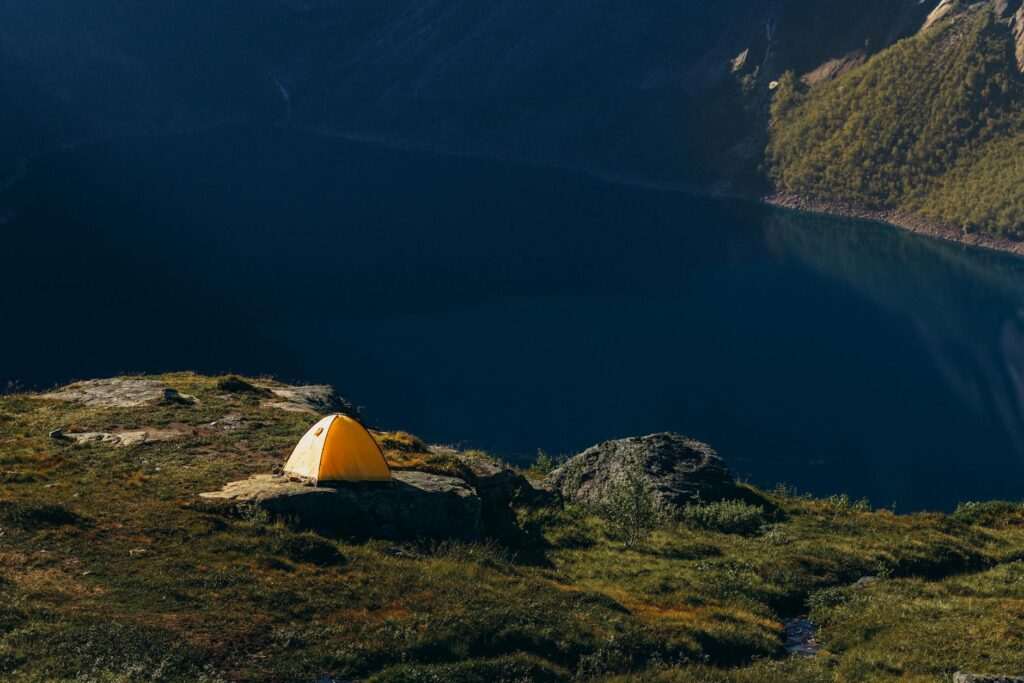
Anchorage is surrounded by wilderness, and the campgrounds within an hour or two of the city are some of the most scenic in the state. Whether you’re in a tent at the edge of a glacial lake, parked in an RV with a mountain view, or carrying a pack into Chugach State Park, you don’t have to go far to feel like you’re deep in Alaska. Here are the best camping options near Anchorage in 2026.
Bird Creek Campground
Bird Creek is 28 miles south of Anchorage on the Seward Highway, making it one of the closest developed campgrounds to the city. It sits right on Turnagain Arm — one of the most dramatic stretches of highway in Alaska — with views across the inlet to the Kenai Mountains on the other side. Campsites are a mix of tent and small RV sites with fire rings, but there are no hookups.
The campground is a reliable base for salmon fishing. Bird Creek itself is one of the more accessible pink and silver salmon streams near Anchorage, and the run timing aligns neatly with peak summer camping. Plan your visit for late July through August for silvers. Even if you don’t fish, the Turnagain Arm bore tide — a tidal surge that moves through the inlet at speed — is worth watching from the bank.
Reservations are available through Reserve America and fill quickly on summer weekends. Book at least two to three weeks out for July dates.
Eklutna Lake Campground
About 30 minutes north of Anchorage in Chugach State Park, Eklutna Lake is the largest lake in the park and one of the most rewarding camping destinations in the region. The campground sits right at the lakeshore, with glacially blue water and mountain walls rising on three sides.
Sites here accommodate tents and smaller RVs, with fire rings and outhouses but no hookups. The setting is the draw: Eklutna Glacier is visible at the far end of the lake, and the Twin Peaks and Bold Ridge trails leave directly from the campground for day hikes. The Chugach State Park trail network connects several routes in this area for multi-day options.
Eklutna fills on summer weekends. Reserve through Reserve America well in advance — mid-June through August is essentially fully booked by May. Weekdays are more available and quieter.
Chugach State Park Backcountry Camping
Chugach State Park allows dispersed backcountry camping throughout most of the park at no cost, making it accessible for those who want a primitive experience without the competition for developed sites. There are no designated backcountry sites — you camp where conditions allow, following Leave No Trace principles and the park’s regulations on distance from water and trails.
No permit is required for most backcountry camping in Chugach State Park campgrounds, though some trailheads charge a day-use parking fee. Common backcountry access points include Glen Alps, Eagle River Nature Center, and the Eklutna Lake trailhead for routes heading deeper into the park. Bear canisters or certified bear-resistant food storage are required — food hangs are not sufficient in most of the park.
The backcountry is best suited for hikers comfortable with off-trail navigation and Alaska wilderness protocols. Expect variable weather and plan accordingly.
Portage Valley Campgrounds
An hour south of Anchorage through Portage Pass, the Portage Valley has several campground options managed by the U.S. Forest Service. Black Bear and Williwaw campgrounds are the main developed sites, both set in spruce forest a short drive from Portage Lake and the Begich, Boggs Visitor Center.
These sites are in the Chugach National Forest and offer tent and RV camping without hookups. The valley setting — surrounded by hanging glaciers and peaks — is spectacular, and the proximity to Portage Lake (and boat tours to Portage Glacier) makes this one of the most activity-rich camping areas near Anchorage. Reserve through Recreation.gov for the summer season.
RV Parks Near Anchorage
For RV campers who want hookups and convenience, there are several options within or just outside the city:
- Golden Nugget RV Park — one of the closer-in options with full hookups, located in midtown Anchorage. Walkable to commercial areas and easy access to major roads heading south or north.
- Centennial Park Campground — a municipal campground near the Glenn Highway in northeast Anchorage, with electrical hookups and a more natural setting than the central commercial parks. Popular with longer-stay visitors.
Both fill during peak summer. Book early if you’re arriving in July or August without a reservation.
Campground Comparison
| Campground | Distance from Anchorage | Type | Hookups | Reservations |
|---|---|---|---|---|
| Bird Creek | 28 miles south | Tent / small RV | None | Reserve America |
| Eklutna Lake | 30 miles north | Tent / small RV | None | Reserve America |
| Chugach Backcountry | Varies (trailhead) | Tent only | None | None required |
| Portage Valley | 50 miles south | Tent / RV | None | Recreation.gov |
| Golden Nugget RV Park | In Anchorage | RV | Full hookups | Direct/phone |
| Centennial Park | In Anchorage | Tent / RV | Electrical | Municipality |
Booking and Reservations
Alaska State Park campgrounds — including Bird Creek and Eklutna Lake — book through Reserve America (reserveamerica.com). Reservations open 180 days in advance for most sites. U.S. Forest Service campgrounds like those in Portage Valley use Recreation.gov. Both systems allow online booking with a small reservation fee.
Walk-in sites exist at most campgrounds but are limited and fill by early afternoon on summer weekends. If you’re camping on a weekend in July or August without a reservation, plan to arrive by noon and have a backup option in mind.
Bear Safety and Food Storage
Brown and black bears are active throughout Southcentral Alaska in summer. All developed campgrounds near Anchorage have bear-resistant food storage lockers — use them for all food, trash, and scented items any time you’re away from your site or sleeping. Don’t leave anything in your tent or vehicle that could attract bears.
For backcountry camping in Chugach State Park, a bear canister is the most reliable option. Bear spray is recommended for all backcountry travel and is available at REI and most outdoor retailers in Anchorage. Know how to use it before you need it.
Best Months to Camp Near Anchorage
June through August is prime camping season. June offers long daylight (up to 19 hours near the solstice) and fewer crowds early in the month, though some campgrounds are still opening and trail snow can persist at elevation. July is the peak: warmest temperatures, all facilities open, and peak wildlife and fishing activity. August remains excellent through mid-month, with salmon runs at their peak and the first hints of fall color appearing on the hillsides by late August.
May and September are possible for experienced campers who don’t mind variable weather and limited services. Shoulder-season camping in Chugach State Park requires solid gear and weather awareness.
Frequently Asked Questions
Do I need a permit to camp in Chugach State Park?
No permit is required for backcountry camping in most of Chugach State Park. Developed campgrounds like Eklutna Lake require a reservation through Reserve America and a nightly fee. Some trailheads charge a parking fee regardless of where you camp.
Are there bear-proof food storage facilities at campgrounds near Anchorage?
Yes — all developed campgrounds listed here have bear-resistant food storage lockers at or near each site. Use them every time you leave your campsite and overnight. For backcountry camping, bring a bear canister.
Can I have a campfire at campgrounds near Anchorage?
Most developed campgrounds (Bird Creek, Eklutna Lake, Portage Valley) have fire rings and allow fires when conditions permit. Backcountry campfires are restricted in many areas of Chugach State Park — check current conditions with the park before your trip. Fire bans are occasionally issued during dry spells.
The campgrounds near Anchorage cover almost every kind of camping experience — lakefront sites with mountain views, ocean-adjacent spots with salmon in the river, and wilderness backcountry for those who want to get off the beaten path. All of it is within 90 minutes of a city with full services, which makes this one of the more practical wilderness camping situations anywhere in Alaska.
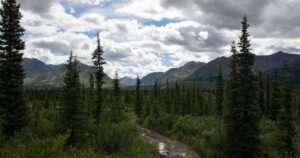
Featured photo by Jonathan Borba on Pexels.

No comments yet.