Best Time to Visit Anchorage 2026: Month-by-Month Guide
Why “When to Go” Matters More in Anchorage Than Almost Anywhere
Anchorage swings between nearly round-the-clock summer sunshine and deep-winter darkness within the same calendar year. Average highs span 60+ degrees Fahrenheit from January to July. Daylight hours range from barely five in December to more than nineteen in June. Pick the right month and Anchorage delivers midnight hiking, salmon runs, and festival energy. Pick the wrong one for your priorities and you may land in shoulder mud-season or miss the northern lights by a week. This guide breaks down every month so you can book with confidence.
Quick-Reference: Anchorage by the Month
| Month | Avg High (°F) | Avg Low (°F) | Daylight Hours | Crowd Level | Standout Event / Activity |
|---|---|---|---|---|---|
| January | 22°F | 9°F | ~5.5 hrs | Low | Northern lights viewing, winter trails |
| February | 27°F | 13°F | ~9 hrs | Low–Medium | Fur Rendezvous Festival (Rondy) |
| March | 35°F | 18°F | ~12 hrs | Medium | Iditarod Trail Sled Dog Race ceremonial start |
| April | 46°F | 28°F | ~14.5 hrs | Low | Breakup season — trails muddy, early wildflowers |
| May | 57°F | 38°F | ~17.5 hrs | Low–Medium | Migratory birds, Coastal Trail cycling |
| June | 65°F | 47°F | ~19.5 hrs | High | Midnight sun, Solstice Festival, salmon begin |
| July | 68°F | 51°F | ~19 hrs | High (peak) | King Salmon run, all trails open, whale watching |
| August | 65°F | 49°F | ~16 hrs | High | Salmon runs peak, blueberries, Bear Paw Festival |
| September | 54°F | 40°F | ~13 hrs | Medium | Fall colors, aurora returns, moose rut |
| October | 40°F | 26°F | ~10 hrs | Low | Early snow, northern lights, quieter city |
| November | 26°F | 14°F | ~7 hrs | Low | Skiing opens at Alyeska, holiday markets |
| December | 21°F | 8°F | ~5 hrs | Low | Winter Solstice events, ice sculpting |
Peak Season: June, July & August
The Case For Summer
June through August is when Anchorage fires on all cylinders. Average highs hover in the mid-to-upper 60s°F, every trail and campground is accessible, and the midnight sun gives you 19+ hours of usable daylight — meaning you can hike Flattop Mountain at 10 p.m. with full visibility. The salmon runs in Ship Creek, Campbell Creek, and nearby rivers draw anglers and bears alike, making wildlife viewing almost effortless. Kayaking trips from Eklutna Lake run dawn to dusk, glaciers are at their most accessible by flightseeing, and the tourism infrastructure — restaurants, tour operators, charter boats — is fully staffed and open.
The Case Against Summer (or at Least, Against Peak July)
Summer is also when everyone else wants to be here. Mid-July is the single busiest week of the year. Hotel rates spike 40–60% over shoulder season, popular restaurants fill up by 6 p.m., and rental car availability can be tight by late May. The other catch: the midnight sun that makes 11 p.m. hikes magical also makes sleeping difficult without blackout curtains. If you’re sensitive to light and didn’t pack a sleep mask, budget for one at the airport.
Bottom line: If you want the full Alaska summer experience — salmon, midnight sun, every trail open — accept the crowds and book early. Summer is popular for good reason.
Shoulder Season: May and September
May: The Underrated Sweet Spot
May is one of the best-kept secrets on the Anchorage calendar. Temperatures are mild (upper 50s°F), daylight already stretches past 17 hours by month’s end, most hiking trails have thawed out, and visitor numbers remain low enough that you can walk into restaurants without a reservation. The Coastal Trail is spectacular in May for cycling and birding — millions of migratory shorebirds funnel through the Anchorage bowl on their way north. Hotel rates run 25–35% below peak. The one downside: some glacier and whale-watching tours don’t launch until Memorial Day weekend, so confirm tour availability before booking.
September: Fall Color and the Aurora’s Return
September brings a dramatic shift. The birch and aspen forests surrounding Anchorage turn gold and orange, providing some of the most photogenic hiking conditions of the year. Salmon are still running through mid-September, moose are active during the rut, and — critically — the aurora borealis returns to visibility after the white nights of summer. You need at least a few hours of true darkness for northern lights, and September nights finally deliver that. Crowds thin out rapidly after Labor Day, prices drop, and the city feels like it belongs to residents again. Pack layers: temps drop from the upper 50s early in the month to the low 40s by month’s end, and rain is more frequent than summer.
Winter: Northern Lights, the Iditarod, and Skiing
January & February: Aurora Season Peaks
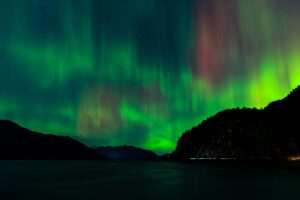
For travelers chasing the northern lights, January and February offer the longest dark windows of the year. Clear nights — most common in late January through February — can produce extraordinary aurora displays visible right from the city’s edge. The Alaska Native Heritage Center runs special winter programming, and the Alaska Aviation Museum is never crowded. February also brings the Fur Rendezvous Festival (Rondy), a two-week citywide celebration featuring sled dog races, a carnival on the Park Strip, and the World Championship Sled Dog Race.
March: The Iditarod
The first Saturday of March marks the ceremonial start of the Iditarod Trail Sled Dog Race right on 4th Avenue in downtown Anchorage — one of the most distinctly Alaskan spectacles you can witness anywhere. Crowds line the street, dog teams launch into the snowy city, and the energy is electric. Book accommodation several months out if you plan to attend; Iditarod weekend is the one winter period that genuinely sells out. Daylight has returned to 12+ hours by mid-March, temperatures moderate into the mid-30s°F, and backcountry ski conditions at nearby Hatcher Pass and Alyeska Resort are typically at their best.
November & December: Quiet and Cold
These are the quietest, darkest months. Alyeska Resort typically opens by mid-November for early-season skiing, and a small but dedicated winter-sports crowd descends on Girdwood. If you want Anchorage almost entirely to yourself, November delivers — but pack for serious cold (highs in the 20s°F), bring a headlamp for late-afternoon errands, and lower your expectations for operating hours on outdoor attractions.
Packing Guide by Season
Summer (June–August)
- Layering system: T-shirt, mid-layer fleece, waterproof shell — even 65°F days can turn rainy
- Waterproof hiking boots
- Insect repellent (mosquitoes peak in late June and July)
- Sleep mask or blackout eye cover for midnight sun
- Sunscreen — UV is strong under an 18-hour sun
- Binoculars for wildlife and whale watching
Shoulder Season (May, September)
- Heavier mid-layer (fleece or down jacket)
- Waterproof pants for muddy spring trails (May)
- Rain jacket rated for sustained precipitation
- Warm hat and gloves for September evenings
Winter (October–April)
- Insulated, waterproof winter boots rated to at least -20°F
- Heavy down parka or equivalent
- Wool base layers — cotton kills in cold
- Hand warmers, balaclava, goggles for aurora nights outdoors
- Microspikes or traction cleats for icy sidewalks
- Camera with cold-weather battery (lithium cells hold charge better in the cold)
Special Interest: When to Come for Specific Experiences
- Midnight sun hiking: June 10 – July 5 (solstice June 21 = 19h 21m daylight)
- Northern lights / aurora borealis: September 15 – April 15 (peak: February–March)
- Salmon fishing (Ship Creek): Late June through August
- Iditarod ceremonial start: First Saturday of March
- Skiing at Alyeska: November through April
- Fall foliage: Mid-September to early October
- Whale watching (Kenai Fjords / Resurrection Bay): Late May through September
- Best budget travel: May, September, or early October
The Honest Verdict: Best Overall Month to Visit Anchorage in 2026
For first-time visitors who want the quintessential Alaska summer without peak-July prices and crowds, late June is the sweet spot — specifically the last two weeks of June. You get near-maximum daylight (within minutes of the solstice), all trails and tours are fully open, salmon are beginning their runs, and the tourist crush hasn’t yet hit its July zenith. Hotel rates are still 10–15% below peak July. For travelers who are flexible and experienced cold-weather travelers, February or early March offers exceptional aurora viewing, the Rondy festival, and Iditarod excitement in an Anchorage that feels genuinely off the beaten path.
Whatever month you choose, Anchorage rewards the visitor who does a little planning. Book accommodation and popular tour operators at least six to eight weeks out for summer, and at least four weeks out for Iditarod weekend. The city is more than ready for you — the only question is which version of it you want to experience.
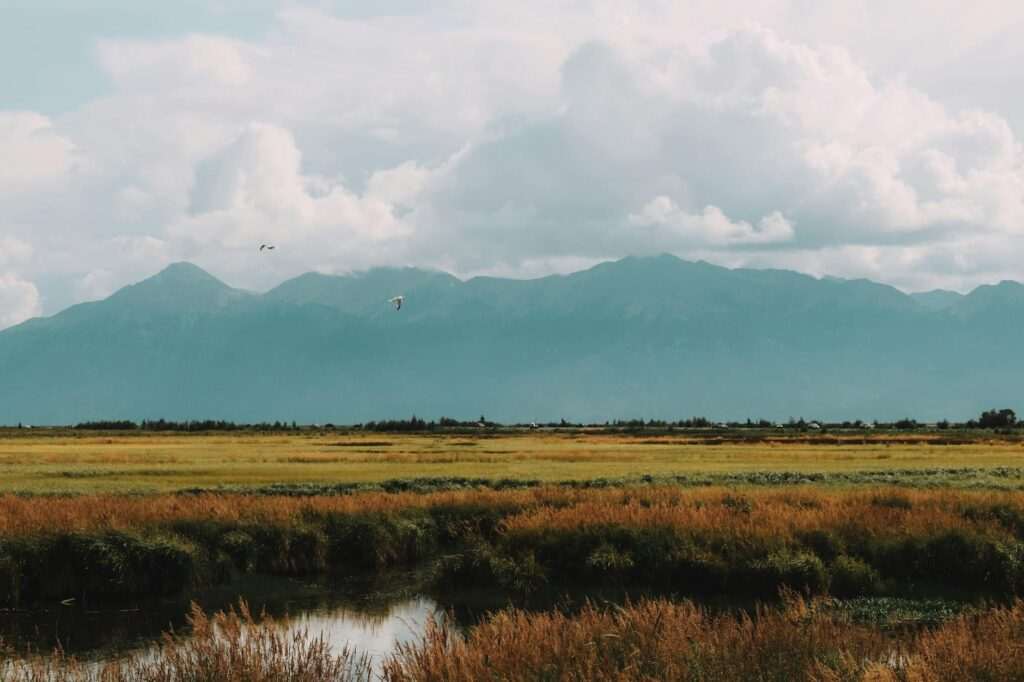
Featured photo by Hannah Villanueva on Pexels.
No comments yet.