
Lake Hood Seaplane Base: Watching Floatplanes in Anchorage 2026
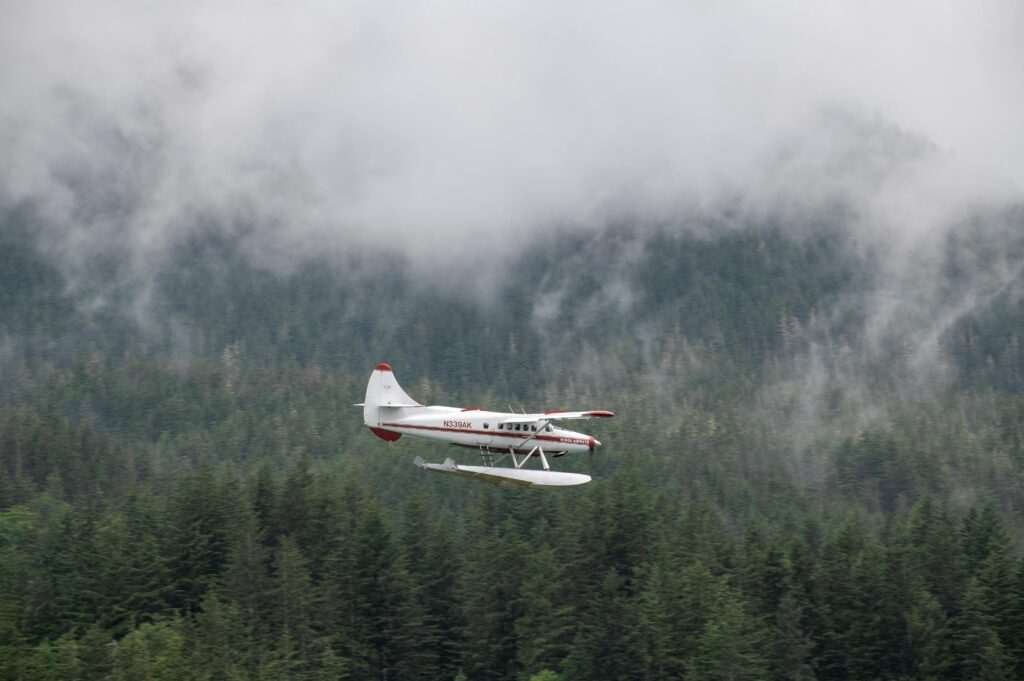
Lake Hood is one of Anchorage’s best free attractions and one of its least-visited. The world’s busiest floatplane base sits immediately adjacent to Ted Stevens Anchorage International Airport, separated from the main terminal by a taxiway and a short stretch of road — and on a clear summer morning, the traffic volume is extraordinary. Floatplanes take off and land every few minutes. Bush planes taxi to the fuel dock. Pilots load gear for remote camps. The lake surface reflects the Chugach Mountains. It costs nothing to watch.
Here’s what to know about visiting Lake Hood Seaplane Base in Anchorage in 2026 — where to watch, what you’ll see, the Alaska Aviation Museum, and how to book a flight yourself.
What Lake Hood is
Lake Hood Seaplane Base is the world’s busiest floatplane base by annual operations, processing around 190,000 takeoffs and landings in an active year. It’s actually two connected lakes — Lake Hood and Lake Spenard — joined by a short channel that allows floatplanes to move between them. The base handles everything from tiny two-seat Piper Cubs to turbine-powered Cessna Caravans, most of them headed into remote Alaska wilderness: fishing camps, hunting lodges, backcountry hiking drop-offs, and communities with no road access.
Lake Hood has been operating since 1930 and is woven into Anchorage’s identity in a way that surprises visitors from other cities. In most of Alaska, the floatplane is still the functional equivalent of a pickup truck — it’s how people actually get around. Watching the morning traffic at Lake Hood is watching Alaska’s real transportation system in operation.
Best viewing spots
The lake is accessible from several points along its shore, all of them free and open to the public year-round.
Lakeshore Drive viewing area
The most direct access is from the paved pullout along Lakeshore Drive, on the south shore of Lake Hood. From here, you’re at water level watching floatplanes taxi, run up their engines, and accelerate across the lake surface before lifting off. The runway orientation on the lake means takeoffs often pass within a couple hundred meters of the viewing area. In summer, activity is near-continuous during morning hours.
Aircraft viewing near the tie-down ramps
Walking along the dock area adjacent to the public areas gives you close-up views of the aircraft themselves while they’re tied down between flights — a remarkably wide variety of types, tail numbers, and configurations. Bush pilots loading supplies, mechanics doing preflight checks, and the general low-key activity of a working airfield are all visible at close range. The atmosphere is casual and unhurried in a way that puts it apart from commercial airports.
Alaska Aviation Museum
The Alaska Aviation Museum sits directly on the Lake Hood shoreline with an outdoor observation deck that doubles as one of the best floatplane viewing points at the base. The deck is elevated slightly above the waterline and gives you a clear line of sight down the length of the lake — perfect for watching full takeoff runs from start to liftoff.
Inside, the museum covers Alaska’s aviation history from the early 20th century through the present: bush pilot pioneers, wartime Lend-Lease routes through Alaska, survey flights over unmapped terrain, and the role of small aircraft in opening the Alaska interior. The collection includes restored aircraft, engines, and exhibits that are specific to Alaska’s aviation culture rather than general aviation history. Plan 1.5–2 hours if you’re going through the full exhibits. Admission is charged; the outdoor observation deck may be accessible to non-museum visitors during operating hours — check current policy when you visit.
What you’ll see
The mix of aircraft at Lake Hood changes through the day and season, but on any summer morning you’re likely to see:
- De Havilland Beavers and Otters: The iconic single-engine Bush planes that define Alaska aviation. Tube-and-fabric Beavers on floats are still the workhorse of the Alaska backcountry after 70 years.
- Cessna 185s and 206s: High-wing singles that handle well on water and carry impressive loads for their size. Common as private owner aircraft at the base.
- Piper Super Cubs: The lightest and most nimble of the common bush planes, often flown solo into very short strips. The Super Cub on tundra tires is as Alaska as anything gets.
- Turbine Caravans: Charter operators running larger group loads or longer routes often use the Cessna Grand Caravan — a high-wing turboprop that can carry 9 passengers on floats.
- Occasional military or vintage aircraft: Anchorage’s aviation community keeps several vintage restoration projects active, and you’ll occasionally see rare aircraft being test-flown or transited through.
Book a floatplane tour yourself
Watching other people fly is good. Being on the water and taking off yourself is considerably better. Several operators based at Lake Hood run scenic flights ranging from 30-minute local tours over the city and Cook Inlet to full-day Denali flightseeing expeditions.
Rust’s Flying Service is one of Anchorage’s oldest and largest floatplane operations, running scenic flights from Lake Hood since 1963. Their routes include Cook Inlet and the Chugach foothills, Denali overflights, and drop-off fishing trips to remote lakes. For bear viewing flights — particularly to Katmai and Lake Clark to watch brown bears fishing for salmon — FlyAKAir Bear Viewing Tours operates dedicated day trips from Anchorage with small groups. These flights are longer and more expensive than scenic tours but deliver one of the most concentrated wildlife experiences in Alaska.
Typical pricing for scenic flights from Lake Hood runs from around $150–$250 per person for a 45–60 minute Cook Inlet and Chugach tour. Denali flightseeing runs $350–$500 per person depending on route length. Bear viewing day trips are in the $600–$900 range inclusive of flight time, guide, and park fees. Book well in advance for summer — the most popular routes fill up weeks out.
Best time to visit
Time of day: Morning is when floatplane activity peaks at Lake Hood. Pilots typically depart early to reach remote fishing camps before midday, and the calm morning air makes for better flying conditions. By mid-afternoon, traffic slows noticeably. If you’re watching for volume and variety, arrive between 7 and 10 a.m.
Season: Lake Hood operates year-round but peaks from May through September when floatplanes are on their floats. In winter, many aircraft transition to skis or wheels, and the lake surface freezes — the base stays active but the character changes. Summer is when the base feels most alive, with departures to fishing camps and wilderness lodges running continuously on good weather days.
Combining Lake Hood with nearby stops
Lake Hood is well-positioned for combining with other west-side Anchorage attractions. The Tony Knowles Coastal Trail runs along Cook Inlet roughly a mile to the west — accessible from Kincaid Park or from trailheads along the coast road — and offers 11 miles of waterfront walking with mountain views. Point Woronzof, at the north end of the Coastal Trail, has an overlook directly on the airport approach path where you can watch wide-body jets frame against the Chugach before landing — a very different aircraft-watching experience than Lake Hood but a natural pairing for aviation enthusiasts.
Is Lake Hood Seaplane Base free to visit?
Yes — the lakeside viewing areas along Lakeshore Drive and the public areas of the base are free and open year-round. The Lake Hood Seaplane Base is a public facility, and watching floatplane operations from the shore costs nothing. The Alaska Aviation Museum, located on the lake shore, charges admission for its interior exhibits.
What is the best time to watch floatplanes at Lake Hood?
Morning — roughly 7 to 10 a.m. — is when activity is highest. Pilots depart early for remote fishing and hunting camps throughout Alaska, and calm morning air makes for better flying conditions. Summer (June–August) is the busiest season overall, when floatplane operations run nearly continuously on clear days.
Can I book a floatplane tour from Lake Hood?
Yes — several operators based at Lake Hood offer scenic flights ranging from 30-minute local tours to full-day Denali expeditions. Rust’s Flying Service is one of the oldest and best-known operators, running tours since 1963. Prices typically run $150–$250 for a 45–60 minute scenic flight, and considerably more for Denali or bear viewing routes. Book in advance for summer departures.
Where is Lake Hood Seaplane Base in Anchorage?
Lake Hood is immediately adjacent to Ted Stevens Anchorage International Airport on the airport’s south side. It’s about 6 miles west of downtown Anchorage. The easiest access is via International Airport Road to Lakeshore Drive along the south shore of the lake.
Lake Hood is the kind of place Anchorage residents take for granted until they bring someone who’s never seen a floatplane. Then they remember how strange and specific and genuinely excellent the whole thing is — and how easily it’s overlooked. Go in the morning, watch the Cubs and Beavers run up and take off, and if the budget allows, get on the water yourself. Alaska looks different from 500 feet over Cook Inlet with the floats still dripping.
No comments yet.