
Best Anchorage Wildlife Viewing Spots for Late Spring 2026
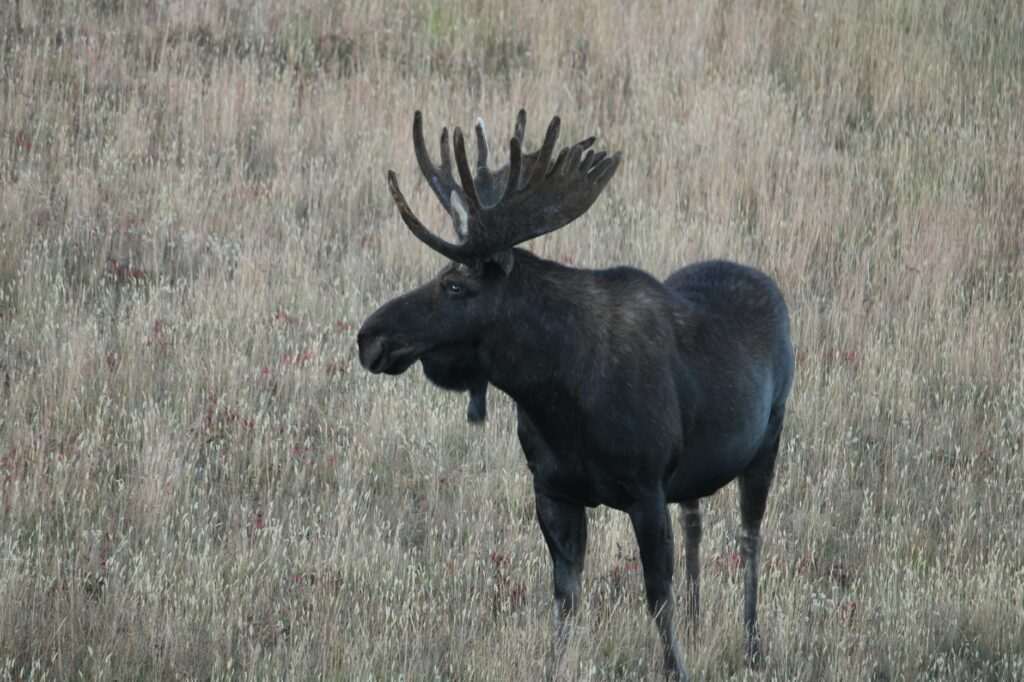
Late May in Anchorage brings one of the year’s most exciting wildlife viewing opportunities. As Alaska’s largest city emerges from winter, you’ll find yourself in prime position to spot the state’s iconic animals while they’re most active. The combination of longer daylight hours and animals moving with newborns makes this the perfect time for family-friendly wildlife photography and memorable encounters.
Whether you’re a seasoned wildlife photographer or a family looking for that perfect Alaska experience, Anchorage’s spring wildlife viewing spots offer something for everyone. Here’s your guide to the best places to see moose, bears, eagles, and more during late spring 2026.
Why Late Spring Is Prime Wildlife Viewing Season
Late May represents the sweet spot for Anchorage wildlife viewing. Animals are emerging from winter patterns, mothers are teaching their young to forage, and the increased daylight gives you extended viewing hours. You’ll notice the difference immediately – instead of bundling up in heavy winter gear, you can focus on your camera and enjoy comfortable temperatures.
The melting snow reveals fresh vegetation that draws herbivores like moose and their calves into more accessible areas. Meanwhile, salmon runs haven’t started yet, so bears are still foraging for early spring foods in locations where you can safely observe them from a distance.
Potter Marsh Bird Sanctuary
Just fifteen minutes south of downtown Anchorage, Potter Marsh transforms into wildlife central during late spring. The boardwalk system lets families walk safely while spotting trumpeter swans, sandhill cranes, and various duck species that arrive as the ice melts.
The best viewing happens during early morning hours when mist rises from the warming water and bird activity peaks. Bring binoculars – you’ll watch trumpeter swans with their cygnets paddling through channels while red-winged blackbirds call from the cattails. The elevated boardwalk gives photographers excellent angles without disturbing the wildlife below.
Photography Tips for Potter Marsh
The golden hour light reflects beautifully off the water, creating stunning silhouette opportunities. Position yourself on the southern sections of the boardwalk for the best backlighting conditions. The wooden railings provide natural tripod support for longer telephoto shots.
Anchorage Coastal Trail for Moose Encounters
The 11-mile Tony Knowles Coastal Trail offers some of Alaska’s most reliable moose viewing, especially in the Westchester Lagoon and Earthquake Park areas. Late spring brings moose cows with their calves into the open spaces along the trail, often grazing within 50 yards of the paved path.
You’ll hear them before you see them – the sound of heavy hooves moving through the underbrush alerts you to their presence. Keep your distance (Alaska law requires staying 25 yards away), but you’ll have plenty of opportunities for telephoto photography as they browse on fresh willow shoots.
Cyclists and walkers share this trail, so early morning visits before 8 AM provide the calmest conditions for wildlife observation. The Anchorage Museum at the trail’s endpoint offers educational exhibits about local wildlife behavior that enhance your understanding of what you observe in the field.
Chugach State Park’s Lower Trails
The easily accessible trails in Chugach State Park, particularly around the Hillside area, offer excellent black bear viewing opportunities during late spring. Bears emerge from their dens hungry and often forage on the south-facing slopes that warm first.
Professional guides from Chugach Adventures lead specialized wildlife viewing hikes that position you safely for observation while sharing insights about bear behavior and ecology. These guided experiences teach you to read animal signs and understand seasonal movement patterns.
The combination of elevation and open terrain gives photographers clean backgrounds for wildlife shots, while families appreciate the educational component of learning about Alaska’s ecosystem from experienced naturalists.
Safety Considerations for Bear Country
Always carry bear spray and know how to use it. Make noise while hiking – conversation levels are usually sufficient – and never approach bears closer than 100 yards. If you spot cubs, scan the area for the mother and slowly back away. Late spring bear encounters often involve protective mothers, so extra caution is essential.
Eagle Viewing Along Turnagain Arm
The drive along Seward Highway toward Portage Glacier provides spectacular bald eagle viewing during late spring migration. Eagles concentrate along Turnagain Arm’s mudflats during low tide, hunting for salmon smolt and other marine life exposed by the receding water.
Park at any of the designated pullouts between Anchorage and Girdwood for roadside eagle photography. The dramatic backdrop of snow-capped mountains across the water creates magazine-quality compositions. You’ll often spot eagles perched on the distinctive dead trees along the shoreline – their white heads contrasting sharply against the dark wood.
Urban Wildlife in Anchorage Parks
Don’t overlook Anchorage’s city parks for wildlife encounters. Delaney Park Strip regularly hosts moose families, while Westchester Lagoon attracts waterfowl throughout spring. These urban settings offer unique photography opportunities – where else can you photograph a moose with a city skyline backdrop?
The contrast between Alaska’s wild nature and urban development tells a compelling visual story. Early morning walks through residential areas like Hillside often reward you with moose sightings in neighbors’ yards, browsing on decorative plants that emerge with spring growth.
Marine Wildlife Viewing Opportunities
Late spring marks the beginning of marine wildlife activity in Cook Inlet and Prince William Sound. Major Marine Tours offers specialized wildlife cruises that target beluga whales, sea otters, and harbor seals in their spring feeding areas.
The combination of calm waters and increased marine life activity creates ideal conditions for wildlife observation from boat platforms. You’ll often spot beluga whale pods moving through Cook Inlet’s mudflats, their distinctive white bodies visible from considerable distances.
Bring layers – spring weather on the water can change quickly, and you’ll want to stay comfortable during multi-hour viewing sessions. The extended daylight of late spring means these tours can operate later in the evening, often providing optimal lighting conditions for marine wildlife photography.
Photography Equipment for Alaska Wildlife
Late spring wildlife viewing demands specific equipment considerations. A telephoto lens (300mm minimum) lets you maintain safe distances while capturing detailed shots. Bring extra batteries – they drain faster in Alaska’s cooler temperatures, even during spring warmth.
Pack a lightweight tripod for steadier shots during longer observation periods. The soft morning and evening light of late spring creates beautiful conditions, but often requires slower shutter speeds. Weather protection for your gear is essential – spring weather can shift from sunny to showery within minutes.
Best Times for Wildlife Activity
Wildlife activity peaks during the golden hours around sunrise and sunset, but late spring’s extended daylight means you have longer windows for observation. Most animals are active during the cooler parts of the day, making early morning (5-9 AM) and evening (6-10 PM) the most productive times.
Midday observations can still be rewarding, especially for birds and marine wildlife that remain active throughout the day. The key is matching your timing to specific species – moose often rest during the warmest part of the day, while eagles continue hunting when thermals support their soaring flight.
Family-Friendly Wildlife Viewing Tips
Late spring wildlife viewing works exceptionally well for families with children. The comfortable temperatures and extended daylight create flexible scheduling, while the predictable locations of many species reduce the uncertainty that can frustrate young wildlife watchers.
Bring snacks and water for longer observation sessions. Children often have more patience for wildlife watching when they’re not hungry or thirsty. Pack quiet entertainment like coloring books for moments when animals aren’t immediately visible – wildlife viewing requires patience that’s easier to maintain when everyone’s comfortable.
Planning Your Wildlife Viewing Adventure
Late May weather in Anchorage typically ranges from 45-65°F, perfect for outdoor activities without heavy winter gear. Pack layers including a warm jacket for early morning sessions and lighter clothing for afternoon warmth. Rain gear is always wise – spring showers can develop quickly.
Book accommodations early if you’re visiting specifically for wildlife viewing. Late May is popular for visitors who want to experience Alaska’s wildlife without summer’s peak crowds. Many hotels offer early breakfast options that support dawn wildlife viewing schedules.
Conservation and Respect for Wildlife
Anchorage’s wildlife viewing opportunities exist because of careful habitat preservation and respectful observation practices. Always maintain legal distances from wildlife, never feed animals, and stay on designated trails to minimize ecosystem impact.
Your wildlife viewing experiences contribute to conservation awareness and local tourism that supports habitat protection. The more people understand and appreciate Alaska’s wildlife through responsible observation, the stronger the support becomes for preserving these incredible viewing opportunities for future generations.
Frequently Asked Questions
What wildlife is most commonly seen in late spring around Anchorage?
Moose, black bears, bald eagles, trumpeter swans, and various songbirds are most active and visible during late May. Marine mammals like beluga whales and sea otters also become more active in nearby waters.
Do I need a guide for wildlife viewing around Anchorage?
While many spots are accessible independently, guided tours offer safety expertise for bear country and knowledge about animal behavior. Self-guided viewing works well at Potter Marsh and along the Coastal Trail.
What’s the best camera equipment for Alaska wildlife photography?
A telephoto lens (300mm minimum), extra batteries, and weather protection are essential. Spring conditions are generally camera-friendly, but weather can change quickly.
Are Anchorage wildlife viewing spots suitable for families with young children?
Yes, many locations like Potter Marsh and the Coastal Trail offer easy access with paved paths and boardwalks. Always supervise children closely and maintain safe distances from wildlife.
Featured photo by Tim Kirkland on Pexels.
No comments yet.