
Anchorage Photography Spots: Best Instagram Locations
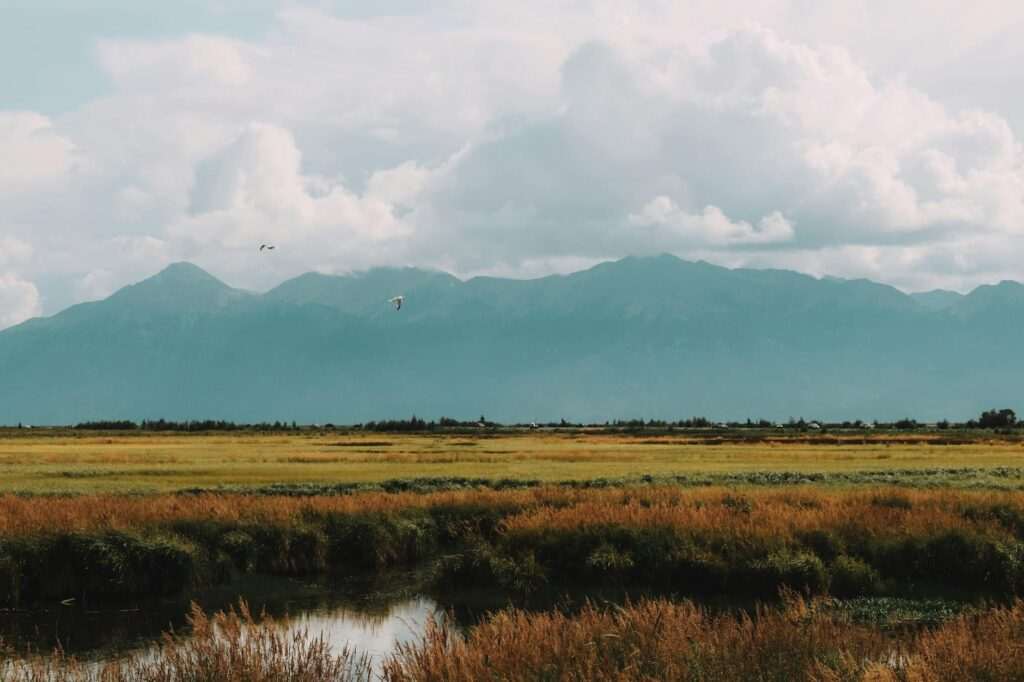
Anchorage photography spots reward people who pay attention to timing, weather, and direction, not just famous names on a map. In Anchorage, Alaska, you can shoot tidal mudflats at sunset, salmon water with downtown grit, museum architecture, and big Chugach backdrops without spending your whole trip in the car. That’s the fun of it.
If you’re trying to build a one-day photo loop, start with downtown in the morning, move west for coastal light, and save the higher Chugach viewpoints for the evening if the clouds cooperate. April can be tricky here. Breakup season leaves dirty snow in some pullouts and dry pavement in others, but the shifting light can be gorgeous.
What are the best photography spots in Anchorage?
The best Anchorage photography spots usually include Tony Knowles Coastal Trail for big skyline-and-water frames, the Anchorage Museum for architecture and indoor details, Ship Creek for urban-Alaska contrast, Earthquake Park for dramatic history and bluff views, and higher Chugach viewpoints when you want mountain scale at golden hour.
Tony Knowles Coastal Trail for classic Anchorage scale
If you only have time for one iconic scene, Tony Knowles Coastal Trail is the safest bet. Alaska.org describes the trail as an 11-mile route with views of downtown Anchorage, the Chugach Mountains, Denali on clear days, and Fire Island, which is exactly why photographers keep circling back to it. It gives you layers. Water first, city second, mountains last.
I like shooting it later, when Cook Inlet starts reflecting warmer color and the wind either gives you texture or settles down just enough for cleaner water. Bring a jacket even if the parking lot feels mild. The shoreline can turn cold fast.
If you want a stronger wilderness feel after your city frames, pair that coastal session with Williwaw Lakes Trail. It’s a very different look, but it keeps the same Chugach drama in play while trading skyline lines for alpine texture.
Anchorage Museum for architecture, reflections, and rainy-day saves
The Anchorage Museum is one of the most reliable photography stops in Anchorage, Alaska because it works in bad weather, shoulder season, and short winter light. The museum’s official visitor page frames it as a place where art, science, and culture meet in the heart of Anchorage, and that mix shows up visually too. Exterior angles, glass reflections, and interior detail shots all give you more variety than a quick walk-by suggests.
This is also a smart reset stop when the weather looks ugly over the mountains. You can shoot clean geometric lines outside, warm up, then go back out when the sky starts doing something interesting again. Not every photo outing needs to be all boots and mud. Sometimes the move is indoor light and sharp edges.
Ship Creek for urban grit, salmon energy, and low-angle light
Ship Creek is where Anchorage feels most like itself: industrial, fishy, practical, and unexpectedly photogenic. Visit Anchorage describes Ship Creek Trail as a short, accessible route along the northern edge of downtown that’s ideal for exploring Anchorage’s natural history, heritage, and modern urban culture. That’s why it works so well on camera. You get rails, bridges, anglers, tidal water, and city infrastructure in the same frame.
If you’re here during salmon season, this area gets more animated and more chaotic in the best way. Rod tips flicking over the water, gulls hanging overhead, and muddy bank texture all help the scene feel alive. Go early if you want cleaner compositions. Go later if you want more human energy.
For travelers who want a more guided version of that dramatic Southcentral look after downtown, Chugach Adventures can be a strong add-on. It shifts you from urban frames to mountain-and-water scenery without forcing you to guess every access point on your own.
Earthquake Park for history with a bluff-edge payoff
Earthquake Park is one of the best places in town to shoot a scene that actually says something about Anchorage. Visit Anchorage calls it a window on local history, geology, and the largest quake in North America, and the physical landscape backs that up. The strange rippling terrain and bluff edge don’t just photograph well. They tell the story.
This isn’t the spot for flashy, crowded Instagram energy. It’s better than that. Shoot the interpretive signs and forest textures first, then turn toward Cook Inlet when the light gets lower. On a good evening, the inlet, the distant mountain line, and that uneasy folded ground give you frames that feel specific to this city instead of interchangeable with any other coastal park.
Chugach viewpoints when you want the big hero shot
If your idea of an Instagram-worthy Anchorage frame is city below, mountain wall above, and a little weather drama in between, save time for a Chugach viewpoint. Glen Alps and other hillside pullouts are usually the move, especially near sunset when the city starts glowing and the ridgelines hold the last light. This is where Anchorage stops looking flat and starts looking cinematic.
Conditions matter here more than people expect. Spring melt can leave you with patchy snow, muddy shoulders, and wind that makes tripod work annoying. Still worth it. If the clouds break for ten minutes, those ten minutes can carry the whole day.
If you want to stretch your shoot beyond the city with a glacier payoff, Portage Glacier is an easy next-step listing to bookmark. Alaska.org notes that Portage Glacier sits 48 miles south of Anchorage and can be explored by visitor center, boat ride, or viewpoint, which makes it ideal for a bigger landscape add-on when Anchorage weather goes flat.
How to time your Anchorage photo day
Morning is best for cleaner downtown and museum exteriors, especially before traffic and parked cars clutter the frame. Midday is when I usually save indoor work, coffee, or quick edits. Late afternoon into evening is the window for Tony Knowles Coastal Trail, Earthquake Park, and the higher Chugach viewpoints, where side light gives the city and mountains more shape.
One local reminder: Anchorage weather doesn’t care about your shot list. Clouds blow in fast off Cook Inlet, and a clear forecast can still turn into flat light for an hour or two. Build flex into the plan. You’ll get better photos that way.
When is the best time of day to photograph Anchorage?
Late afternoon and evening usually give you the best light for Tony Knowles Coastal Trail, Earthquake Park, and Chugach viewpoints. Morning works better for quieter downtown scenes and cleaner building shots around the Anchorage Museum.
Are Anchorage photography spots good in spring?
Yes, but April and early May are messy in a very Alaska way. Expect breakup-season mud, patchy snow, and changing light, then use that contrast to your advantage instead of waiting for everything to look polished.
What spots give you the most variety in one day?
A strong one-day loop is Anchorage Museum, Ship Creek, Tony Knowles Coastal Trail, and Earthquake Park, with a Chugach viewpoint at the end if the sky opens up. That mix gives you architecture, people, water, history, and mountain scale without leaving the Anchorage area.
Anchorage doesn’t hand you perfect photos on a platter. You have to watch the light, move with the weather, and stay flexible when the wind picks up. Do that, though, and these Anchorage photography spots can give you a gallery that actually feels local instead of generic. That’s the goal.
Featured photo by Hannah Villanueva on Pexels.




No comments yet.