
2026 Halibut Fishing Season Opening Guide Anchorage
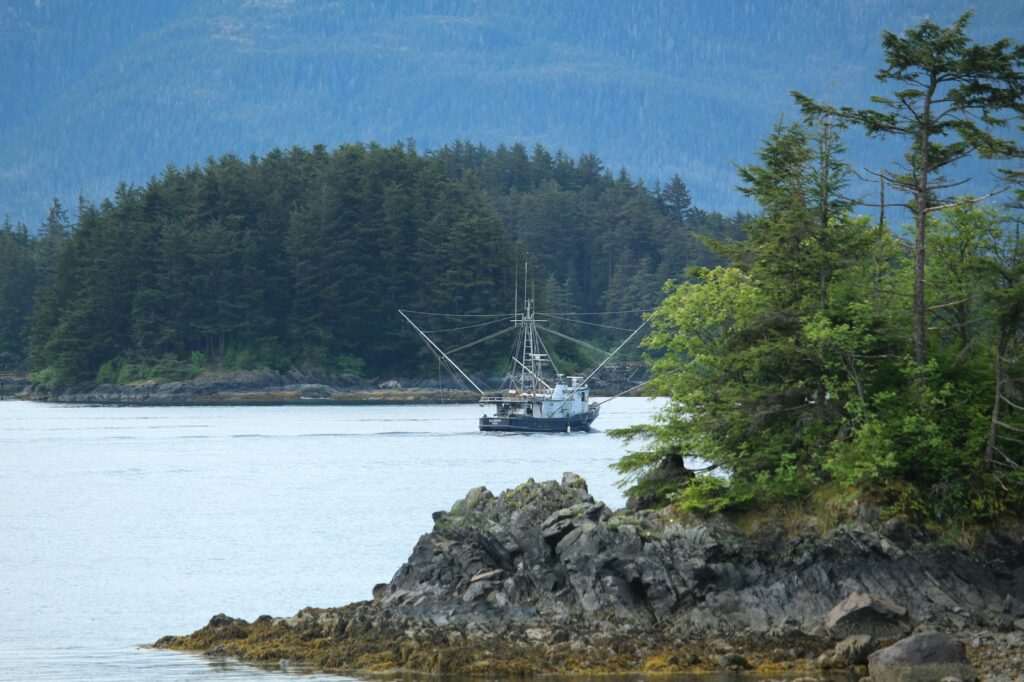
Alaska’s Premier Halibut Season Starts May 1st, 2026
The wait is almost over! Alaska’s 2026 halibut season opens May 1st in Anchorage area waters, and this year’s outlook is exceptional. Whether you’re planning your first halibut adventure or you’re a seasoned angler, our comprehensive guide covers everything you need for a successful season.
2026 Season Overview and Regulations
The Alaska Department of Fish and Game has set the 2026 halibut season dates for Areas 2C (Southeast Alaska) and 3A (Southcentral Alaska, including Anchorage) from May 1st through November 7th, 2026. That’s 191 days of prime halibut fishing – the longest season in recent years.
Key regulations for 2026:
- Daily limit: Two halibut per person per day
- Size restrictions: One fish under 28 inches OR one fish 28-80 inches, plus one fish over 80 inches
- Annual limit: Four halibut total per person for the year
- Circle hooks required: All halibut fishing must use circle hooks when using bait
Remember, you’ll need a valid Alaska fishing license and a halibut stamp. Most charter operators can arrange these for you, or you can purchase them online through the Alaska Department of Fish and Game.
Best Charter Operators in the Anchorage Area
Success starts with choosing the right charter service. Here are our top recommendations for 2026:
Cook Inlet Charters stands out for their Cook Inlet expertise and state-of-the-art equipment. Their captains know exactly where halibut congregate during different seasons, and they’ve got an impressive track record for putting clients on fish.
Alaska Fishing Adventures offers comprehensive packages that combine halibut fishing with salmon opportunities. They’re particularly good for first-timers, providing all gear and detailed instruction.
Fishermans Choice Charters specializes in multi-day packages and can arrange processing and shipping – perfect for out-of-state visitors who want to take their catch home.
Most Anchorage-based charters depart from the Seward Harbor (2 hours south) or Homer (4 hours south), as these ports offer the best access to prime halibut waters in Cook Inlet and Kachemak Bay.
Essential Gear and Tackle for Halibut Success
Halibut are massive fish – the Alaska state record is 459 pounds – so you’ll need serious gear. Here’s what experienced anglers recommend:
Rods: Heavy-action rods, 6-7 feet long, rated for 50-80 lb line. Shorter rods give you better leverage when fighting big fish.
Reels: Large capacity conventional reels with strong drag systems. You’ll need to hold at least 400 yards of 80 lb test line.
Line: 80-100 lb test monofilament or braided line. Braided line offers better sensitivity but costs more.
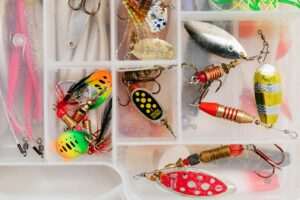
Terminal tackle: Circle hooks (required by law when using bait), 16/0 to 20/0 size. Heavy sinkers (2-8 ounces depending on current). Strong swivels and leaders.
Don’t have your own gear? No problem. Big Ray’s in downtown Anchorage stocks everything you need, and their staff knows exactly what works best in Alaska waters. Many charter services also provide all necessary equipment.
First-Timer Tips for Halibut Success
Never fished for halibut before? Here’s what you need to know:
Bring motion sickness remedies: Even experienced boaters can get seasick on longer trips. Take medication before you board.
Dress in layers: Alaska weather changes fast. Waterproof gear is essential – you’ll get wet from spray and fish slime.
Pack snacks and water: Charter trips last 8-12 hours. Most boats provide lunch, but confirm when booking.
Listen to your captain: They know the waters, the fish, and the safest techniques. Follow their guidance, especially when handling large halibut.
Bring a camera: You’ll want photos of your catch! Most charter services offer professional photo packages.
Book early: Prime dates fill up fast, especially weekends and holidays. Memorial Day through Labor Day are peak season.
Processing and Shipping Your Halibut Home
Caught more halibut than you can eat during your Alaska visit? Here’s how to get your fish home:
Processing options: Most charter ports have fish processing facilities that can fillet, vacuum-pack, and freeze your catch. Expect to pay $8-12 per pound for processing.
Shipping services: Companies like Alaska Seafood Express and Ship My Fish specialize in getting your catch home safely. Overnight shipping typically costs $200-400 depending on weight and destination.
Flying with fish: You can check frozen fish as luggage on most airlines. Pack in insulated containers with dry ice (airline approval required for dry ice).
Cooler transport: If you’re driving home, rent a large cooler and buy ice along the way. Vacuum-packed frozen fish stays good for 3-4 days with proper ice management.
Weather Conditions and Best Fishing Windows
Alaska weather can make or break your halibut trip. Here’s when conditions are typically best:
May-June: Season opener brings hungry fish, but weather can be unpredictable. Dress warmly – water temperatures are still cold.
July-August: Peak season with the most consistent weather. Longest days mean more fishing time. Book way ahead – this is when everyone wants to fish.
September-October: Excellent fishing as halibut feed heavily before winter. Fewer crowds and lower charter prices, but weather becomes more variable.
November: Season finale can produce huge fish, but weather is challenging. Only for experienced anglers comfortable with rough conditions.
Best fishing times: Early morning and evening tides often produce the best action. Slack tide periods (when current stops) can be particularly productive.
Weather resources: Check marine forecasts from NOAA before booking. Anchorage area waters can have 4-6 foot swells even on “calm” days.
Planning Your 2026 Halibut Adventure
Ready to experience Alaska’s incredible halibut fishing? Start planning now for the best 2026 season yet:
Book early: The best charter operators and prime dates fill up months ahead. Spring bookings often get early-bird discounts.
Package deals: Many operators offer multi-day packages that combine halibut and salmon fishing. These can save money and maximize your time on the water.
Group rates: Chartering a full boat (6-8 people) often costs less per person and gives you more flexibility on timing and locations.
Accommodation packages: Some charter services partner with local lodges for complete fishing packages including meals and lodging.
The 2026 halibut season promises to be outstanding. With proper planning, the right gear, and a quality charter service, you’ll have the Alaska fishing adventure of a lifetime. Whether you’re after a trophy halibut for the wall or fresh fish for the table, Alaska’s pristine waters are waiting.
Featured photo by Howard Herdi on Pexels.


No comments yet.