
Whale Watching Near Anchorage 2026: Best Tours, Species & Season
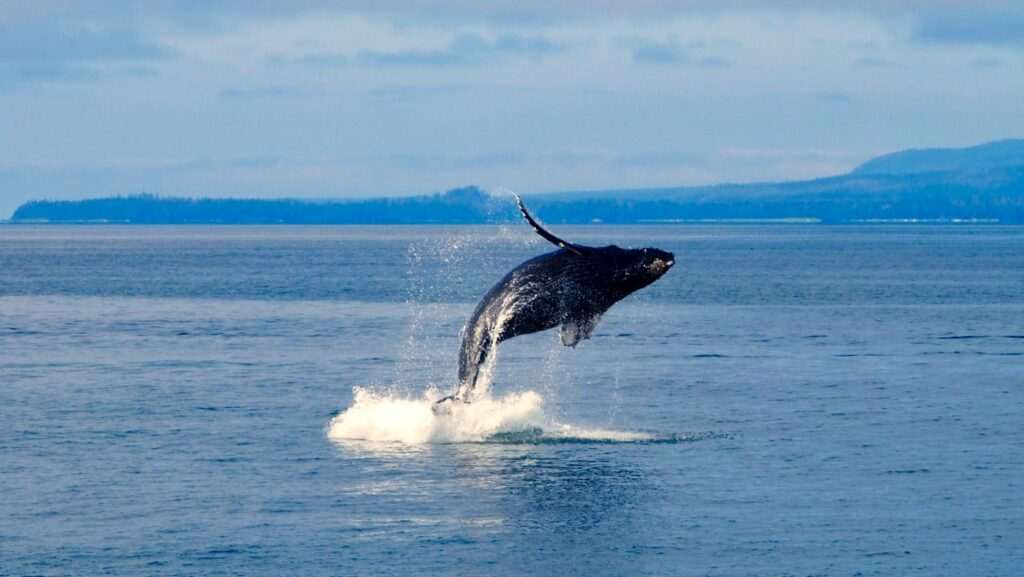
Anchorage sits at the head of Cook Inlet, bracketed by two whale-rich bodies of water: Turnagain Arm to the southeast and Knik Arm to the north. Within a 2.5-hour drive, you can be in Seward looking at humpbacks and orcas from the deck of a tour boat in Kenai Fjords National Park. Alaska has four species of whale reliably seen near Anchorage — and each requires a slightly different approach.
Whale Species You Can Expect to See
Beluga Whale
Belugas are the only whale you can see for free without a boat. Cook Inlet hosts one of the world’s most endangered beluga populations — the critically endangered Cook Inlet Distinct Population Segment (DPS), numbering fewer than 280 animals. These small white whales travel Turnagain Arm in small pods May through October, often visible from highway pullouts. They’re distinctive: pure white adults, pale gray juveniles, slow-rolling surface behaviors. Sightings are frequent but not guaranteed; weekday mornings at high tide around Beluga Point are your best odds.
Humpback Whale
Humpbacks are the iconic tour-boat species — the breaching, pectoral-slapping, lunge-feeding giants of Alaska’s outer waters. Resurrection Bay out of Seward and Kenai Fjords National Park are the most reliable spots near Anchorage. Peak season is July–August when feeding activity is most intense. Humpbacks here regularly breach and show their flukes, making them exceptional photography subjects. Day tour sighting rates in Kenai Fjords run around 90–95% in peak season.
Orca (Killer Whale)
Both transient (mammal-eating) and resident (fish-eating) orcas range through Resurrection Bay and Prince William Sound. Transient orcas are seen more unpredictably — their patrols follow prey rather than a fixed route. Resident pods follow salmon runs and are more consistently located June–September. Sighting rates on day tours are lower than humpbacks but not uncommon; many Kenai Fjords tours include orca sightings as a bonus rather than a guarantee.
Gray Whale
Gray whales migrate through Cook Inlet in spring (April–May) en route to their summer Arctic feeding grounds. They’re occasionally spotted from shore near the Anchorage coastal areas, and more reliably from tour boats. They don’t linger — this is a migration window, not a feeding aggregation — so timing matters. Fall southward migration passes through September–October.
Best Departure Points
Turnagain Arm (Free, No Boat Required)
The Cook Inlet beluga whale viewing corridor along Turnagain Arm is accessible from the Seward Highway pullouts starting about 20 miles south of Anchorage. Beluga Point (mile 110), Bird Point (mile 96), and the Portage area offer the best sightlines. Bring binoculars — belugas surface quietly and are easy to miss. The Alaska Department of Fish & Game operates the SPLASH beluga monitoring program; their social media accounts post real-time sightings during summer.
Seward / Resurrection Bay (2.5 Hours from Anchorage)
Seward is the primary departure point for Kenai Fjords National Park tours — the best whale watching accessible from Anchorage. Resurrection Bay itself often has humpbacks and orcas without even entering the park. Day tours depart from the Seward Small Boat Harbor, run 4–8 hours, and combine whale watching with glacier viewing, sea otters, Steller sea lions, and seabirds. Two major operators dominate:
- Kenai Fjords Tours: The largest operator with daily departures, multiple itineraries (Fox Island, Northwestern Fjord, full-day), and a strong reputation for wildlife sightings.
- Major Marine Tours: A competitor with similar routes, popular with cruise passengers and independent travelers alike. Their combo glacier/wildlife tours are particularly well-reviewed.
Book in advance for July–August departures. Both operators fill weeks out in peak season.
Prince William Sound / Whittier (1 Hour from Anchorage)
Whittier — reached via the 2.5-mile Anton Anderson Memorial Tunnel through the Chugach Mountains — is the gateway to Prince William Sound. Humpbacks and orcas range through the Sound’s sheltered fjords and island passages. The setting is more intimate than Kenai Fjords, with calmer water and dramatic cliff scenery. Prince William Sound Kayak Center offers sea kayak day trips in the Sound that bring you closer to the marine environment than any powerboat. Alaska Fishing Adventures and other charter operators also work these waters for combination fish-and-wildlife trips.
Seasonal Timing Guide
| Species | Peak Window | Best Location |
|---|---|---|
| Beluga | June–August | Turnagain Arm (shore) |
| Humpback | July–August | Resurrection Bay / Kenai Fjords |
| Orca | June–September | Resurrection Bay / PWS |
| Gray Whale | April–May (north), Sept–Oct (south) | Cook Inlet, offshore |
What to Expect on a Day Tour
A standard Kenai Fjords or Resurrection Bay whale watching tour runs 8–9 hours from Seward (including the 2.5-hour drive each way from Anchorage). Expect:
- Vessel size: 100–200 passenger boats with heated cabins, outdoor viewing decks, and onboard naturalists who narrate sightings
- Sea conditions: Resurrection Bay is sheltered; outer fjord trips can have swells. Bring seasickness medication as a precaution even if you don’t normally need it.
- Wildlife beyond whales: Steller sea lions, harbor seals, sea otters, bald eagles, puffins, murres, and kittiwakes are all common sightings
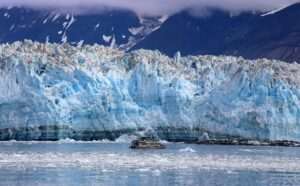
- Glacier component: Most tours pass or visit tidewater glaciers — the combination of ice and marine mammals in one day is hard to beat anywhere on earth
Photography Tips
Whale photography from a moving boat requires patience and preparation:
- Use burst mode: Breaches happen fast. Set your camera to continuous shooting and fire on the exhale (blow spout) — the whale is about to surface.
- Shutter speed: Minimum 1/1000 sec to freeze motion. Bump ISO as needed.
- Position: The boat’s bow or upper deck gives the cleanest sightlines. Move forward when the captain announces a whale ahead.
- Telephoto vs. wide: A 200–400mm lens is ideal for tight whale shots; a wide lens captures context (glacier + whale, boat + whale). Carry both if possible.
- Belugas from shore: Binoculars are essential for Turnagain Arm. Spotting scopes are even better. A telephoto 400mm+ will capture surfacing belugas from Beluga Point pullouts.
Combining Whale Watching with Other Activities
The most popular combination: drive to Seward the night before, catch a full-day Kenai Fjords tour in the morning, spend the afternoon exploring Seward’s waterfront, and drive back to Anchorage in the evening. Allow 2 full days if you also want to hike Exit Glacier (just outside Seward) or explore the Seward area. Whittier-based Prince William Sound tours pair well with an afternoon kayak or a visit to the Begich Boggs Visitor Center at Portage Glacier on the return.
Alaska’s whales don’t disappoint — these are among the most productive feeding waters on the Pacific Rim, and a summer day on the water here is one of the better wildlife experiences on the continent.
Featured photo by Timon Cornelissen on Pexels.

No comments yet.