
Ultimate Anchorage Food Scene Guide: Local Cuisine 2026
Alaska Seafood Specialties
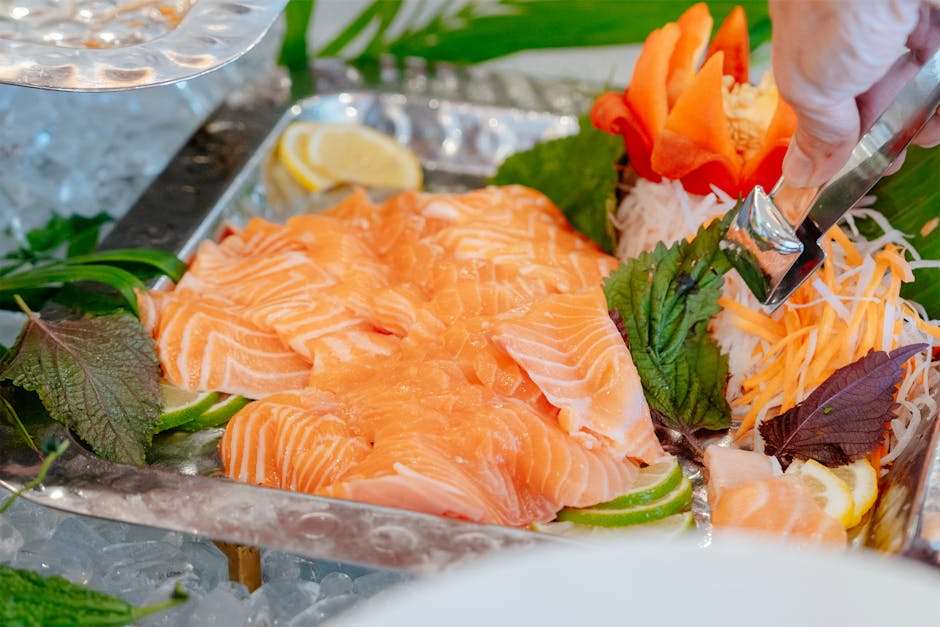
Alaska’s pristine waters deliver some of the world’s finest seafood, and Anchorage restaurants showcase these treasures with pride. You’ll find wild Alaskan salmon prepared in countless ways – from cedar plank grilling that infuses smoky flavors to Japanese-style sashimi that highlights the fish’s natural sweetness. The crimson flesh of sockeye salmon tastes completely different from its farm-raised cousins, with a firm texture and rich flavor that speaks to Alaska’s clean waters.
Halibut, Alaska’s prized flatfish, appears on nearly every menu in town. This mild, flaky white fish can weigh over 400 pounds, and you’ll taste why it’s called “Alaska’s chicken of the sea.” Local chefs prepare halibut in everything from fish and chips to elegant piccata preparations. The sweet meat pairs beautifully with Alaska’s wild berries and local vegetables.
For the ultimate Alaska seafood experience, visit 10th & M Seafoods to source the freshest fish directly from Alaska’s fishing fleet. This downtown market connects you with the same quality seafood served in Anchorage’s top restaurants, and they’ll even ship your selections home.
Native Alaska Food Traditions
Anchorage’s dining scene increasingly celebrates Alaska Native culinary traditions that span thousands of years. Traditional foods like salmon, caribou, moose, and foraged berries appear in modern interpretations that honor indigenous heritage while appealing to contemporary palates.
Akutaq, also known as “Eskimo ice cream,” combines berries, fat, and sometimes fish or meat into a unique dessert that’s both nutritious and delicious. Modern chefs create versions using whipped cream or yogurt that maintain the traditional flavors while accommodating different dietary preferences.
Smoked salmon, prepared using traditional Alaska Native techniques, offers intense flavor that mass-produced versions can’t match. The smoking process uses local wood like alder, which imparts distinctive taste that’s become synonymous with Alaska cuisine. You’ll find this preparation method reflected in restaurants throughout the city.
Farm-to-Table Movement
Despite Alaska’s challenging growing conditions, Anchorage restaurants increasingly embrace local agriculture. The Matanuska-Susitna Valley, just north of Anchorage, produces remarkably large vegetables thanks to the midnight sun’s extended growing season. Restaurants proudly feature Mat-Su Valley potatoes, carrots, and leafy greens that thrive in Alaska’s unique climate.
Local greenhouses extend the growing season year-round, providing fresh herbs and microgreens that add vibrant flavors to winter menus. Many restaurants maintain relationships with specific farms, creating seasonal menus that showcase the best of Alaska’s agricultural potential.
Foraged foods play an important role in Alaska’s farm-to-table movement. Wild berries like salmonberries, cloudberries, and lingonberries appear in both sweet and savory preparations. Fiddlehead ferns and fireweed add unique Alaska flavors that you won’t find anywhere else in the world.
Anchorage Brewery Scene & Food Pairings
Alaska’s craft brewing culture pairs perfectly with the state’s exceptional seafood and game. Midnight Sun Brewing Company exemplifies this approach, creating beers that complement Alaska’s cuisine while showcasing local ingredients whenever possible.
Alaska breweries often incorporate local ingredients like spruce tips, which add a citrusy, gin-like flavor that pairs wonderfully with salmon. Birch syrup, tapped from Alaska birch trees, creates unique beer flavors that complement game meats and root vegetables.
The food truck scene around breweries offers casual dining that highlights Alaska ingredients. You’ll find reindeer sausages, elk burgers, and salmon wraps that provide authentic Alaska flavors in relaxed settings. These combinations showcase how Alaska’s brewing culture integrates with local food traditions.
Fine Dining & Upscale Experiences
Anchorage’s upscale dining scene rivals any major city, with chefs creating sophisticated interpretations of Alaska cuisine. These restaurants source ingredients from across Alaska, featuring everything from Copper River salmon to King Island mussels.
Fine dining establishments often feature tasting menus that tell Alaska’s culinary story through multiple courses. You might start with sea beans harvested from Alaska’s coast, move through courses featuring different salmon preparations, and finish with desserts incorporating wild Alaska berries.
The presentation in these restaurants reflects Alaska’s dramatic landscapes. Dishes often incorporate natural elements like slate serving pieces, wooden accents, and garnishes that mirror Alaska’s wilderness. The dining experience becomes a celebration of Alaska’s natural abundance.
Casual Dining & Family Favorites
Anchorage’s casual dining scene provides comfortable settings where families can experience Alaska cuisine without formal atmospheres. Village Inn Pizza Parlor represents the kind of local establishment where visitors can enjoy familiar foods alongside uniquely Alaskan options.
Many casual restaurants feature “build your own” concepts where you can customize dishes with Alaska ingredients. Burger restaurants offer reindeer and elk patties alongside traditional beef, while pizza places might feature smoked salmon or Alaska crab toppings.
These establishments often provide the best value for families, with generous portions that reflect Alaska’s hearty eating traditions. The atmosphere tends to be relaxed and welcoming, perfect for tired travelers or families with children.
Food Trucks & Street Food
Anchorage’s food truck scene brings Alaska flavors to convenient locations throughout the city. These mobile kitchens often specialize in specific preparations that showcase Alaska ingredients in accessible formats.
Reindeer sausage trucks offer this Alaska staple in various preparations, from simple grilled versions to gourmet presentations with local toppings. The lean meat provides a healthier alternative to traditional sausages while delivering distinctively Alaska flavors.
Food trucks also excel at fusion cuisine, combining Alaska ingredients with international flavors. You might find Korean-style salmon tacos, Thai-inspired halibut preparations, or Mexican dishes featuring Alaska game meats. These combinations reflect Anchorage’s multicultural population.
Seasonal Specialties & Harvest Timing
Alaska’s dramatic seasons create distinct dining experiences throughout the year. Summer brings the peak seafood season, when salmon runs provide the freshest fish and restaurants feature extensive seafood menus. This season also delivers the best selection of locally grown vegetables.
Fall hunting season introduces game meats to restaurant menus. Caribou, moose, and other wild game appear in preparations that celebrate Alaska’s hunting traditions. Berry season provides restaurants with wild ingredients for both sweet and savory dishes.
Winter dining focuses more on preserved and stored ingredients, but restaurants maintain quality through relationships with suppliers who properly preserve Alaska’s seasonal bounty. Smoked and cured preparations become more prominent during these months.
Craft Distilleries & Local Spirits
Alaska’s growing distillery scene creates spirits that pair beautifully with local cuisine. Anchorage Distillery showcases how local grains and pure Alaska water create distinctive spirits that reflect the state’s agricultural potential.
These distilleries often feature tasting rooms where you can learn about Alaska’s agricultural ingredients. Barley grown in the Matanuska Valley creates whiskeys with unique flavor profiles, while botanical spirits incorporate foraged Alaska ingredients.
The distilleries frequently collaborate with restaurants to create custom cocktails that highlight both the spirits and local ingredients. These partnerships result in drinks that you can only experience in Alaska.
Practical Dining Information
Most Anchorage restaurants don’t require reservations, but it’s wise to call ahead for larger groups or special occasions. Summer sees increased tourist traffic, so popular restaurants may have longer wait times during peak dining hours.
Dress codes in Anchorage tend toward casual, even in upscale establishments. Alaska’s outdoor culture means that clean outdoor clothing is acceptable almost everywhere. However, some fine dining restaurants appreciate business casual attire.
Prices in Alaska reflect the state’s remote location and transportation costs. Expect to pay premium prices for ingredients shipped from Outside, but Alaska-sourced items often provide better value and superior freshness. Many restaurants offer early bird specials and weekday deals.
Tipping follows standard American practices, with 18-20% considered appropriate for good service. Some restaurants include service charges for larger groups, so check your bill before adding additional gratuity.
Food Festivals & Seasonal Events
Anchorage hosts several food-focused events throughout the year that showcase local cuisine. The Alaska Seafood Festival celebrates the state’s fishing industry with tastings, cooking demonstrations, and educational presentations about sustainable fishing practices.
Summer farmers markets provide opportunities to taste local produce and meet the farmers who grow Alaska’s vegetables. These markets often feature prepared foods from local restaurants and food trucks, creating festival atmospheres that celebrate Alaska’s agricultural communities.
Restaurant Week events typically occur during slower tourism periods, offering visitors chances to experience upscale dining at reduced prices. These events encourage restaurants to showcase their best Alaska-inspired dishes.
FAQ
What makes Alaska seafood different from seafood elsewhere?
Alaska’s cold, clean waters produce seafood with superior flavor and texture. Wild-caught Alaska salmon has firmer flesh and richer taste than farm-raised fish, while Alaska halibut grows slowly in cold water, creating sweet, delicate meat that’s prized worldwide.
Can I find vegetarian and vegan options in Anchorage?
Yes, most restaurants offer vegetarian options, and many accommodate vegan diets. Alaska’s growing season produces excellent vegetables, and several restaurants specialize in plant-based cuisine using local ingredients.
How much should I expect to spend on dining in Anchorage?
Casual dining typically ranges from $15-25 per person, while upscale restaurants may cost $40-80 per person. Alaska ingredients command premium prices, but the quality justifies the cost.
Are Alaska game meats safe to eat?
Yes, Alaska game meats served in restaurants meet strict safety standards. These lean, flavorful meats are often healthier than conventional options and provide authentic Alaska dining experiences.
What’s the best time of year to experience Alaska seafood?
Summer offers the peak seafood season with the freshest salmon, halibut, and other fish. However, Alaska’s preservation and smoking techniques mean excellent seafood is available year-round.
Featured photo by Monica Tran on Pexels.




No comments yet.