
Training for Everest Base Camp in Alaska: Best Local Trails for Altitude & Endurance
Warning: Permanently added ‘vps25861.dreamhostps.com’ (ED25519) to the list of known hosts.
Training for Everest Base Camp in Alaska: Best Local Trails for Altitude & Endurance
Are you dreaming of standing at Everest Base Camp? If you’re based in Alaska, you’ve got access to some of North America’s best training terrain right in your backyard. From steep elevation gains that mimic the Himalayas to unpredictable weather that’ll prepare you for anything, Alaska’s trails offer unmatched preparation for the world’s most famous trek.
Alaska provides unique advantages for EBC training: dramatic elevation gains, extended summer daylight for long training days, variable weather conditions similar to the Himalayas, and terrain that builds the exact muscle groups you’ll need at altitude. Here’s your complete guide to training for Everest Base Camp using Alaska’s premier hiking trails.
What Everest Base Camp Demands From Your Body
Before diving into Alaska’s training trails, let’s understand what you’re preparing for. The Everest Base Camp trek is a 12-14 day journey that reaches 17,598 feet (5,364m) at its highest point. You’ll walk 5-7 hours daily over approximately 80 miles, gaining and losing over 10,000 feet of cumulative elevation.
The trek demands exceptional cardiovascular endurance, strong legs for sustained uphill climbs, mental resilience for long days, and the ability to function efficiently at reduced oxygen levels. Unlike many mountain climbs that focus on a single summit push, EBC requires day-after-day consistency while your body adapts to increasing altitude.
The key physical demands include: sustained uphill hiking with a 20-30 pound pack, descending on steep, rocky terrain that tests your knees and ankles, walking at altitude where every breath contains less oxygen, and maintaining energy levels across multiple long days. Alaska’s trails can simulate every one of these challenges.
Alaska’s Premier EBC Training Trails
Alaska’s mountains offer the perfect testing ground for Himalayan preparation. These seven trails provide progressive challenges that’ll build your fitness from base conditioning to peak endurance.
Flattop Mountain – Foundation Building
Distance: 3.5 miles round-trip
Elevation Gain: 1,350 feet
Training Value: Perfect introduction to sustained climbing
Best Season: May through October
Flattop Mountain, accessible from the Glen Alps Trailhead, serves as your EBC training foundation. The steady, sustained climb mirrors the daily elevation gains you’ll face on the Nepal trek, while the rocky terrain above treeline replicates the lunar landscape you’ll encounter approaching base camp.
Use Flattop for base conditioning early in your training cycle. The moderate distance and elevation gain allow you to focus on form, pacing, and breathing techniques without overwhelming your system. What makes it perfect for EBC prep is the sustained nature of the climb – there are no flat sections to recover, just like the relentless uphill sections between Namche Bazaar and Tengboche.
Wolverine Peak – Power Endurance Development
Distance: 10 miles round-trip
Elevation Gain: 4,300 feet
Training Value: Builds sustained climbing power
Best Season: June through September
Wolverine Peak from Glen Alps pushes your cardiovascular system and leg strength to new levels. The long, steady climb with minimal flat sections perfectly simulates the day you’ll climb from Lobuche to Gorak Shep – one of EBC’s most challenging stages.
This trail teaches you to maintain a steady pace over extended elevation gain, exactly what you’ll need on the longer EBC days. The altitude gained here (5,800+ feet) approaches half the elevation of base camp itself, giving you a taste of how your body responds to reduced oxygen levels.
Bird Ridge – Steep Terrain Mastery
Distance: 4 miles round-trip
Elevation Gain: 3,000 feet
Training Value: Mimics the steep climb to Namche Bazaar
Best Season: May through October
Located along the Seward Highway, Bird Ridge offers one of Alaska’s steepest accessible training climbs. The relentless pitch replicates the infamous climb from the Dudh Kosi River to Namche Bazaar – the section that breaks many EBC trekkers on day two.
Practice your uphill breathing rhythm here, perfect your rest-step technique, and build the specific leg strength needed for sustained steep climbing. The exposed alpine environment above treeline also helps you adapt to the harsh conditions you’ll face at higher elevations in Nepal.
Crow Pass Trail – Full-Day Endurance
Distance: 24 miles point-to-point
Elevation Gain: 2,000 feet up, 3,000 feet down
Training Value: Tests full-day endurance and pack weight tolerance
Best Season: July through September
The Crow Pass Trail from Girdwood to Eagle River represents your ultimate Alaska training day. This point-to-point traverse requires the same 7-8 hour commitment as the longest EBC days, while the varied terrain – river crossings, alpine passes, and technical descents – tests every skill you’ll need in the Himalayas.
Use Crow Pass for your peak training days, carrying the full pack weight you’ll take to EBC. The long descent from Crow Pass to Eagle River specifically prepares your knees and ankles for the punishing downhills between Tengboche and Namche on the return journey.
Harding Icefield Trail – High-Altitude Simulation
Distance: 8.2 miles round-trip
Elevation Gain: 3,000+ feet
Training Value: Glacier environment, sustained climbing, weather exposure
Best Season: June through September
Located in Seward, the Harding Icefield Trail takes you into glacier territory that closely resembles the environment around Everest Base Camp. The sustained climb through multiple climate zones – from coastal forest to alpine tundra to ice field – replicates the dramatic ecosystem changes you’ll experience climbing from Lukla to base camp.
The exposed icefield at the summit provides crucial experience with glacier travel, unpredictable weather, and the mental challenges of navigating in low-visibility conditions. These are skills you’ll absolutely need during the approach to base camp, especially if weather moves in.
Pioneer Peak – Mental Fortitude Testing
Distance: 10-12 miles round-trip
Elevation Gain: 5,900 feet
Training Value: Maximum vertical gain, mental toughness development
Best Season: June through August
Pioneer Peak near Palmer delivers Alaska’s most serious elevation gain in a single day. The massive vertical challenge tests not just your physical preparation but your mental resilience – the same psychological toughness you’ll need when the altitude, cold, and exhaustion test your determination in Nepal.
Use Pioneer Peak sparingly in your training cycle, perhaps 2-3 times total, as your ultimate fitness test. If you can complete Pioneer Peak with a loaded pack and still feel strong, you’re physically ready for anything EBC can throw at you.
Your 12-Week Alaska Training Plan
Structure your EBC training using Alaska trails with this progressive build plan that maximizes the unique advantages of our terrain and weather.
Weeks 1-3: Foundation Phase
Focus on base conditioning and movement patterns. Start with Flattop Mountain 2-3 times per week, building your pack weight from 10 pounds to 20 pounds. Add one longer hike weekly using trails in the Chugach State Park Trail Systems.
Key goals: Establish consistent hiking rhythm, build basic cardiovascular base, practice layering and gear systems, develop foot strength and blister prevention. Your body is learning the fundamental movement patterns it’ll need for 14 consecutive days of hiking.
Weeks 4-6: Strength Building Phase
Introduce Wolverine Peak weekly, continue Flattop Mountain twice weekly with increasing pack weight (20-30 pounds). Add Bird Ridge every other week to build steep terrain confidence and power.
Key goals: Increase sustained climbing power, build specific leg strength for long uphills, develop comfort with heavier pack loads, practice nutrition and hydration strategies during long efforts.
Weeks 7-9: Endurance Development Phase
Complete the Crow Pass Trail at least once, continue weekly Wolverine Peak climbs, and add the Harding Icefield Trail for glacier environment exposure. Your pack weight should now consistently be 25-35 pounds.
Key goals: Test full-day endurance capacity, experience challenging weather conditions, practice mental strategies for long, difficult days, refine your gear systems and layering strategies.
Weeks 10-12: Peak and Taper Phase
Attempt Pioneer Peak 1-2 times as your ultimate test, maintain fitness with regular Wolverine and Flattop climbs, and begin tapering two weeks before departure. Focus on rest and final gear preparations.
Key goals: Achieve peak fitness levels, confirm gear choices work in challenging conditions, build confidence through successful completion of your hardest training days, begin physical and mental preparation for travel.
Gear and Altitude Preparation in Alaska
Alaska’s extreme conditions offer perfect opportunities to test every piece of gear you’ll take to Nepal. Our summer weather swings from hot sunshine to sudden storms, exactly the variability you’ll face in the Himalayas.
Essential Gear Testing
Test your layering systems during Alaska’s unpredictable summer weather. You need base layers that work when you’re sweating on steep climbs, insulation that packs small but keeps you warm during sudden weather changes, and shell layers that breathe during exertion but seal out wind and moisture.
Break in your trekking boots on Alaska’s rocky trails before committing to them for Nepal. Visit Big Ray’s to ensure your boots handle Alaska’s varied terrain – loose scree, wet rock, muddy approaches, and snow patches that persist into summer.
Dial in your pack system and weight distribution. Your pack needs to carry 25-35 pounds comfortably for 6-8 hours daily. Test different load configurations on long Alaska training days to find what works best for your body and hiking style.
Altitude Adaptation Strategies
While Alaska can’t fully simulate EBC’s extreme altitude, you can prepare your body’s oxygen efficiency. Focus on deep diaphragmatic breathing during your Alaska training climbs, practice the rest-step technique on steep sections, and build your cardiovascular base through consistent training above treeline.
Consider altitude training masks or hypoxic training if available, but remember that nothing fully prepares you for real altitude except gradual acclimatization. Alaska’s training value lies in building the cardiovascular fitness and mental toughness that support successful acclimatization.
Consult your doctor about altitude medications like Diamox, especially if you have concerns about altitude tolerance. Many EBC trekkers use preventive medications, but these should be prescribed and monitored by medical professionals who understand your health history.
Maximizing Alaska’s Summer Training Advantages
Alaska’s midnight sun creates unique training opportunities impossible elsewhere. Long summer days mean you can complete substantial training hikes after normal work hours, extending your available training time without early morning starts.
Use the extended daylight to practice hiking in different conditions throughout a single session. Start your training hikes in warm afternoon sun, continue through the cooler evening hours, and finish in the low-angle light that mimics high-altitude conditions in Nepal.
Alaska’s variable weather patterns provide excellent preparation for the Himalayas’ unpredictability. Don’t avoid training in light rain, wind, or temperature swings – these conditions perfectly simulate what you’ll face between Lukla and base camp.
When You’re Ready: Booking Your Nepal Adventure
After months of training on Alaska’s challenging terrain, you’ll be physically and mentally prepared for the Everest Base Camp trek. Your Alaska training has built the endurance, strength, and resilience needed for one of the world’s most iconic adventures.
When you’re ready to book your Nepal trek, consider working with experienced operators who understand the importance of proper acclimatization and group dynamics. Trekking in Nepal offers the expertise and local knowledge that make the difference between a successful trek and a memorable adventure.
Your Alaska training has given you something many EBC trekkers lack: confidence in your ability to handle sustained physical challenges in unpredictable mountain environments. You’ve tested your gear, built your strength, and developed the mental resilience needed for 14 days in the Himalayas. Trust your preparation – Alaska has prepared you well.
Why Alaska Training Works for EBC Success
Alaska offers advantages for EBC preparation that few places can match. Our trails provide sustained elevation gain without requiring technical climbing skills, weather conditions that test your gear and adaptability, and terrain variety that builds comprehensive mountain fitness.
Most importantly, Alaska training builds confidence. When you’ve successfully completed Pioneer Peak in challenging weather, when you’ve hiked Crow Pass with a full pack and still felt strong, when you’ve handled everything Alaska’s mountains can throw at you – you know you’re ready for Nepal.
The combination of Alaska’s challenging terrain, extended summer training opportunities, and world-class outdoor gear access creates the perfect environment for EBC preparation. You’re not just building fitness – you’re building the complete skill set needed for Himalayan success.
Whether you’re climbing Flattop Mountain for base conditioning or pushing yourself on Pioneer Peak’s massive elevation gain, you’re preparing for an adventure that will challenge everything Alaska has taught you. The mountains of Nepal are waiting – and thanks to your Alaska training, you’ll be ready for them.
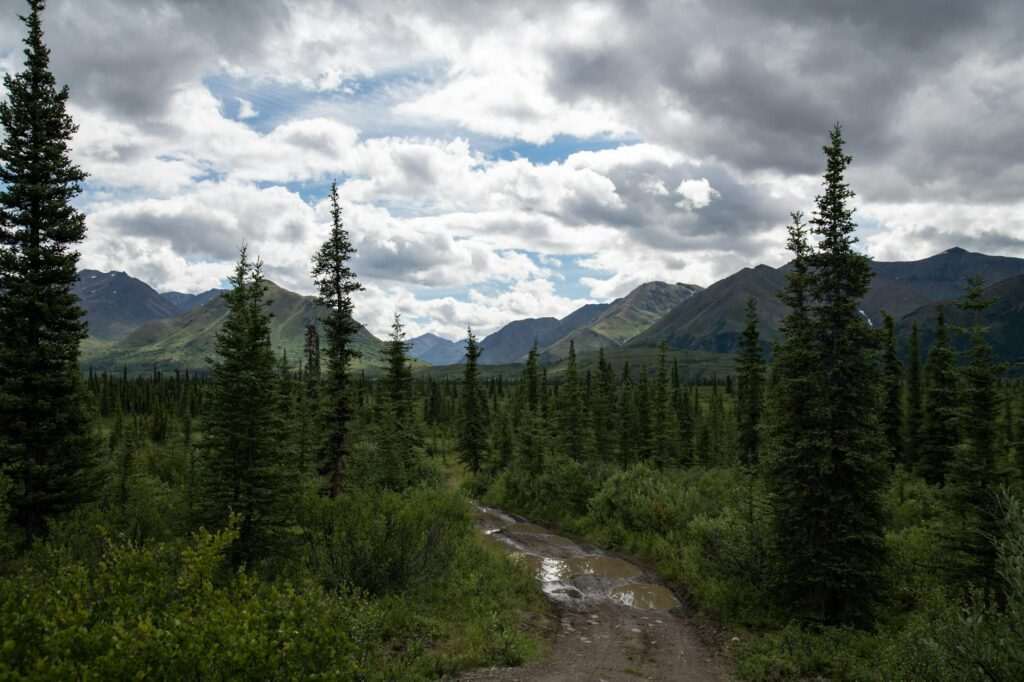
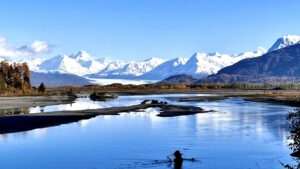
Featured photo by John De Leon on Pexels.
No comments yet.