
How to Summit Flattop Mountain: Local Trail Guide
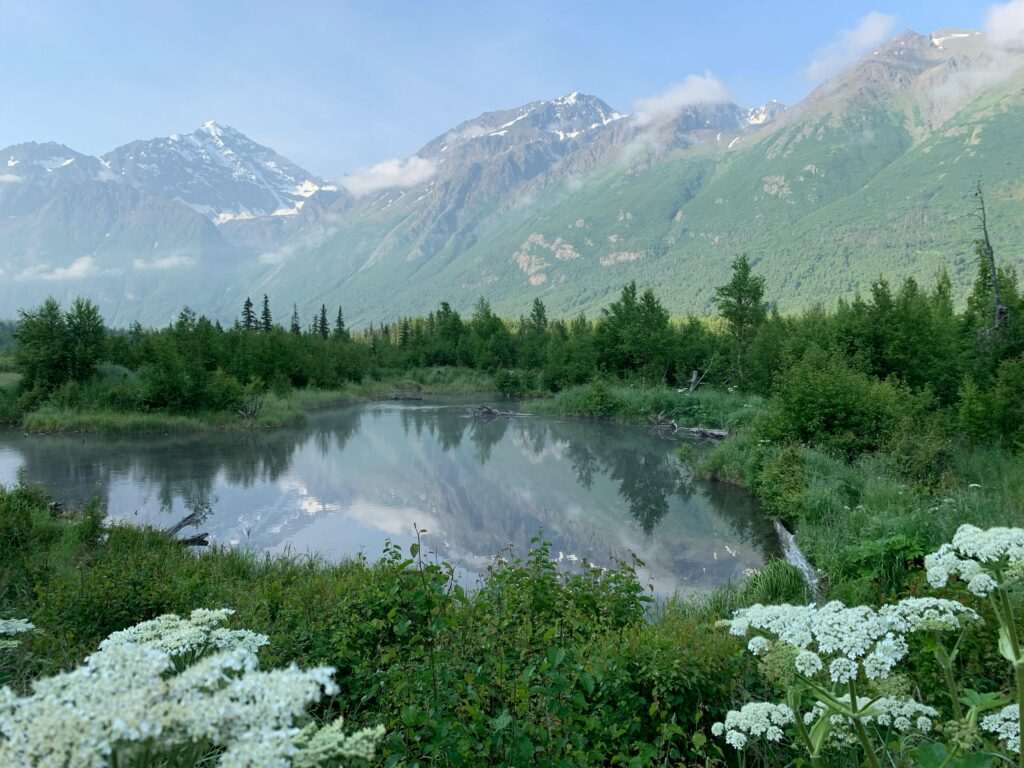
Flattop is the hike Anchorage locals recommend first and warn about in the same breath. It is close to town, the views are huge, and the route is easy to follow until the final push. That last section is where people get surprised. If you are expecting a mellow city-adjacent walk all the way to the top, Flattop can feel a lot bigger than it looks from the parking lot.
This local guide will help you hike it with better judgment. Below, we break down where to start, what the trail actually feels like, what gear matters, when to turn around, and where to grab a meal afterward. If you want the quick link first, start with Flattop Mountain Trail on Anchorage Activities for the at-a-glance version.
Why Flattop Is So Popular
Flattop sits in Chugach State Park, about a 20-minute drive from downtown Anchorage via the Glen Alps trailhead. Alaska State Parks calls it the most often climbed peak in Alaska, and that tracks with what we see every summer: locals squeezing in an evening hike, visitors testing themselves on their first Anchorage trail, and plenty of people stopping short at the saddle or viewpoint and still going home happy.
The appeal is simple. You get a real mountain feel without a long drive, and on a clear day the summit gives you a sweeping look at Anchorage, Cook Inlet, and surrounding ranges. It is one of the fastest ways to understand how close our city is to big terrain.
Trail Stats and What They Mean on the Ground
According to the current Alaska State Parks trail guide, Flattop is 1.7 miles one way with about 1,300 feet of elevation gain. The state rates it moderate to difficult, which is the right call. The lower and middle sections feel like a straightforward uphill hike. The upper section, especially near the summit, is where the route gets steeper, rockier, and more committing.
From Glen Alps, the trail climbs through a small grove of mountain hemlock, crosses open hillside terrain around Blueberry Hill, and reaches the saddle below the summit. From there, the route steepens into talus and rock. Painted markings help identify the upper route, but you still need to move carefully and pay attention to footing.
If you are a beginner, the most honest way to think about Flattop is this: the hike to the saddle is manageable for many active visitors, but the final summit push asks for balance, confidence on rock, and a willingness to use your hands. There is no shame in stopping short. Plenty of locals do that on windy or wet days.
Where to Start and What to Know Before You Leave Town
The standard starting point is Glen Alps Trailhead. Alaska State Parks lists a current daily parking fee of $5 there, and the trailhead has toilets, water, and one of the most useful planning tools in town: the Glen Alps webcam. We check that webcam all the time because it gives a fast read on cloud cover, visibility, and whether the lot is already filling up.
Before you drive up, check two things:
First, the Alaska State Parks Glen Alps webcam. It is the easiest way to see current trailhead conditions and parking pressure.
Second, the National Weather Service forecast for the Anchorage Hillside. Flattop can be sunny in town and cold, windy, or socked in up high. The summit regularly feels several layers more serious than the parking lot.
Gear That Actually Matters on Flattop
You do not need mountaineering gear for a normal summer hike, but you do need to treat Flattop like a real mountain outing. Alaska State Parks specifically warns that the summit is often cold and windy, there is no water source on the trail, and the upper mountain requires some rock scrambling.
Our minimum summer kit looks like this:
Sturdy trail shoes or light hikers with good grip. This is not the place for slick casual sneakers.
A windproof layer and a warm layer, even on a bluebird day in Anchorage.
Water. More than you think you need, because there is no refill on route.
A small snack so you are not making poor decisions on tired legs during the descent.
Bear spray and basic wildlife awareness. Chugach State Park’s hillside system is moose and bear country.
If there is still snow lingering on the upper route, add traction only if you know how to use it, and be much more conservative about your turnaround point. In winter, this area is avalanche prone. Alaska State Parks says so plainly, and that is your cue not to treat Flattop as a casual snow hike unless you have the right training and conditions.
How to Pace the Hike
From Glen Alps to Blueberry Hill
The opening stretch is where people usually go out too fast. Settle in, keep a conversational pace, and save your legs for the top. Early on, the trail is clear and the views start opening quickly.
From Blueberry Hill to the Saddle
This section is a good gut check. If the wind is building, the rocks look slick, or someone in your group is already fading, the saddle is a smart turnaround point. You still get excellent views without committing to the scramble.
The Final Summit Push
This is the part that catches people off guard. The route gets steeper and more exposed, and you need to check each foothold. Watch for other hikers above you too. Loose rock and accidental rockfall are real concerns on busy days. If you do not like what you see, turn around early, not halfway through a move you do not trust.
Safety Tips Locals Actually Use
Start earlier than you think you need to. Afternoon crowds are common in summer, and the parking lot can get tight.
Do not summit just because other people are doing it. Some hikers ahead of you will be more experienced than you are, and some will simply be making bad choices faster.
Use the weather, not your hotel window, to make the call. We have all seen Anchorage look calm at breakfast while the hillside is windy and raw.
Pick a hard turnaround time before you start. If weather moves in, footing feels wrong, or anyone in your group is no longer having a good time, head down. Flattop is popular because it will still be here tomorrow.
If you want a guided day in the mountains instead of managing the route yourself, browse Alaska Adventure Guides for a more structured outdoor option.
Best Times to Hike Flattop
Summer and early fall are the easiest seasons for most visitors. July and August usually offer the most dependable trail access, while September can bring gorgeous color and berry patches around Blueberry Hill. Shoulder season is trickier. Snow, ice, mud, and freeze-thaw conditions can change the feel of the upper route fast.
For a quieter experience, we like weekday mornings or later evenings during the long summer daylight. For first-timers, a clear dry day is worth waiting for.
Where to Eat After the Hike
One of the perks of hiking so close to town is that your recovery meal is never far away. If you want pizza and a beer after earning it, Moose’s Tooth Pub & Pizzeria is the classic post-hike move. If your group wants something broad and easy on the way back through town, The Rustic Goat is a comfortable pick. And if you want a local institution with a more old-school Anchorage feel, Arctic Roadrunner is a solid stop for burgers after a day on the hillside.
Bottom Line
Flattop earns its reputation. It is accessible, scenic, and genuinely satisfying, but it is not a throwaway stroll. Approach it with enough water, better layers than you think you need, and a willingness to stop short if the summit scramble does not feel right. Do that, and you will understand why so many of us keep going back.
If you are building out a full Anchorage hiking day, keep Flattop Mountain Trail bookmarked and pair it with a meal, a second easy stop on the Hillside, or a guided outing for the next day.
Featured photo by Sara Loeffler on Pexels.


No comments yet.