
Summer Hiking Preparation: Gear and Trail Readiness 2026
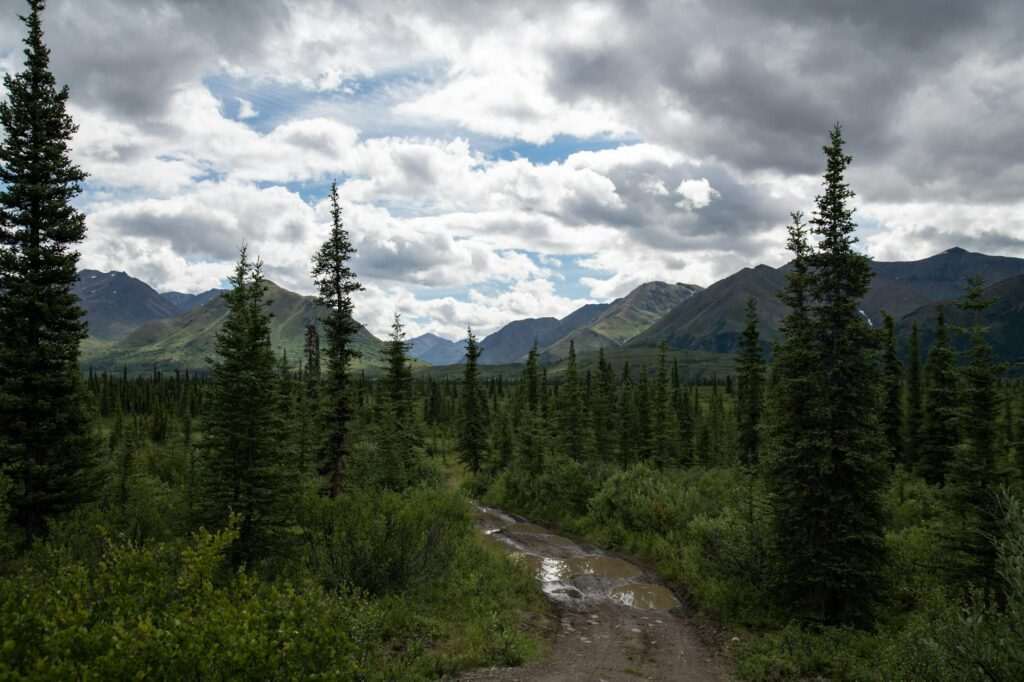
Summer hiking season in Anchorage doesn’t begin with a clean flip from winter to July sunshine. It starts in this messy shoulder-season window, when locals are checking trail reports, swapping out winter gear, and reminding visiting friends that a blue-sky forecast doesn’t mean dry footing or warm ridgelines. If you’re planning your first Alaska hikes for 2026, April is exactly when you should be getting serious about gear, trail choice, and expectations.
As of April 11, 2026, the smartest move is to treat the next few weeks as preparation season. Build your checklist now, choose a realistic first trail, and use local resources before the busier summer crowds hit. For visitors, that usually means getting outfitted at REI Anchorage or Alaska Outdoor Gear Rental, considering a guided first outing with Go Hike Alaska, and picking trails that match your actual fitness and comfort level, not just your Instagram ambitions. If you want more trip ideas after this guide, our Outdoor Adventures and Visitor’s Guide sections are the best next stops.
Start With the Right Gear, Not the Biggest Trail
The biggest mistake first-time Alaska hikers make is assuming summer hiking here works like summer hiking almost anywhere else. Even on a warm day in town, Chugach foothill trails can still feel cold, windy, wet, or slick. That means your core system should be simple and practical: waterproof layers, insulating layers, good socks, and footwear that can handle mud and uneven ground. If you’re missing any part of that setup, REI Anchorage is an easy stop for boots, layers, water treatment, and the small items people forget until they need them.
If you’re only in town for a few days, renting can make more sense than buying. Alaska Outdoor Gear Rental is useful for travelers who need trekking poles, daypacks, or extra outdoor gear without turning the first day of the trip into a full shopping mission. That’s often the better move if hiking is part of a broader Anchorage itinerary instead of the entire reason you’re here.
Bear Safety Is Basic Alaska Prep, Not Advanced Prep
If this is your first time hiking in Southcentral Alaska, bear awareness should be treated as standard trip prep, not an optional add-on. The Alaska Department of Fish and Game advises hikers to make noise, stay alert, avoid surprising wildlife at close range, and carry bear spray where it can be reached quickly. That last part matters. Bear spray buried inside a pack isn’t real bear spray.
For visitors who are nervous about that learning curve, a guided hike is often the cleanest answer. Go Hike Alaska gives first-timers a way to learn local pacing, trail etiquette, and basic bear-country habits without figuring everything out on the fly. That can make a huge difference if your default hiking experience comes from heavily trafficked trails in the Lower 48.
Which first trail matches the season best?
Not every well-known Anchorage trail is the right first hike in shoulder season. The move is to start with something scenic but manageable, then build up once you have a feel for conditions. Thunderbird Falls Trail is a good early confidence-builder because it delivers a clear payoff without the same commitment as a big mountain objective. Eagle River Nature Center is another strong first stop, especially if you want current local trail context and a more educational setting before tackling bigger mileage.
Once footing improves and your gear dial-in is better, you can start looking at bigger-name hikes like Flattop Mountain Trail or Rabbit Lake Trail. Both are worth doing, but they’re better when you arrive prepared for wind, lingering snow patches, changing visibility, and a longer return than first-time visitors sometimes expect.
Use Current Seasonal Signals
One helpful local clue this weekend is the scheduled Spring Trail Opening Celebration at Flattop Mountain on April 12, 2026. Events like that are a reminder that Anchorage hikers are already shifting into trail season, but not because summer conditions have fully arrived. We’re transitioning, not cruising. That’s exactly why preparation matters now.
Before any hike in the Chugach front range, check the latest park information for closures, muddy segments, and trailhead access. Conditions can change quickly with melt, rain, and overnight freezing. If you want a broad planning base, Chugach State Park is the main landscape you should be thinking about when you build your Anchorage hiking list.
What to Pack in Your Daypack
For first-time summer hikers here, keep the daypack simple but non-negotiable: water, calories you’ll actually eat, a warm layer, rain shell, phone or map backup, first-aid basics, and bear spray. The National Park Service still recommends a version of the ten essentials for good reason. Anchorage trails can feel close to town and still punish casual prep if weather shifts or a short hike takes longer than expected.
Trekking poles are worth more than many visitors think, especially in spring mud and on loose descents. If you’re debating whether you need them, rent them. That’s exactly the kind of small decision that makes an Anchorage hike feel smoother and safer.
Trail Etiquette Still Counts
Good trail etiquette in Anchorage is straightforward: stay on the established path, avoid widening muddy sections into braided side trails, keep dogs under control where required, and yield thoughtfully on busy uphill sections. If you’re hiking with earbuds in, keep the volume low enough to hear people, bikes, and wildlife cues. Alaska trail culture is friendly, but it assumes a baseline of awareness.
If you’re new to all of this, don’t start by proving something. Start by finishing a hike feeling strong, dry enough, and ready for the next one. That’s how Anchorage visitors end up loving our trails instead of just surviving them.
Summer hiking in Anchorage rewards people who prepare early. Get the layers, rent what you don’t own, pick a trail that fits the current season, and use local expertise when you need it. Do that, and by the time peak summer really settles in, you’ll be ready for the bigger Alaska miles.
Featured photo by John De Leon on Pexels.


No comments yet.