
Rock Climbing Near Anchorage Alaska 2026: Crags, Gyms & Alpine Routes
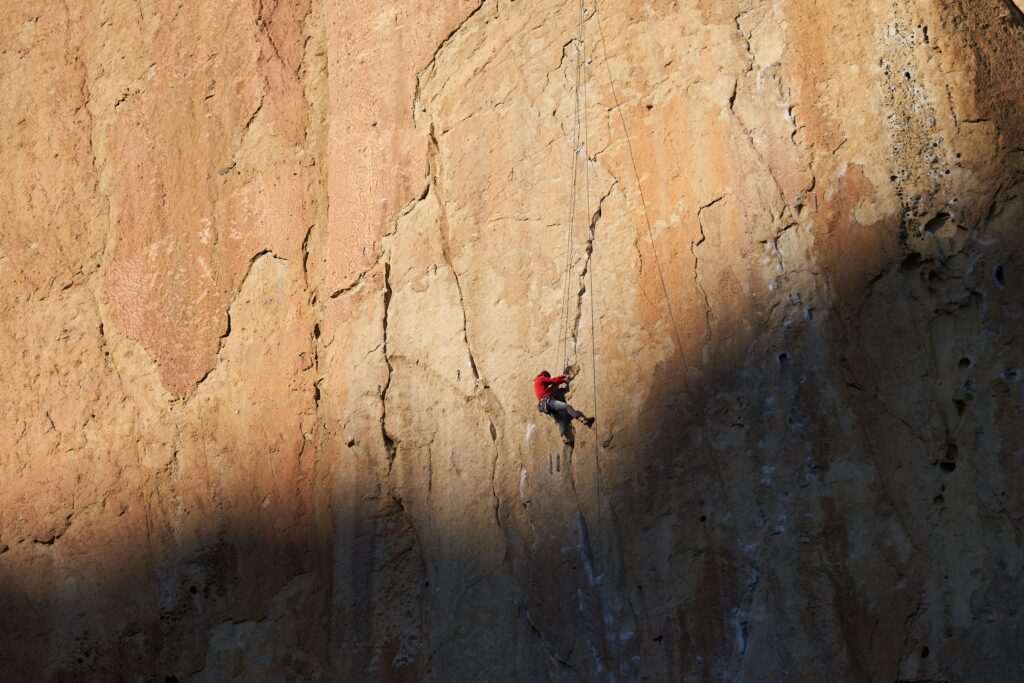
The Chugach Mountains begin at the eastern edge of Anchorage and rise to peaks above 8,000 feet within ten miles of downtown. This proximity to genuine alpine terrain makes Anchorage one of the most accessible cities in North America for rock and alpine climbing — a 30-minute drive reaches established crags in the Eagle River Valley, and an hour’s drive or less puts technical climbers on routes in the Chugach backcountry that would require multi-day approaches in most other mountain ranges. For beginners, Anchorage has an indoor climbing gym for year-round training, and the accessible lower crags of the Chugach front offer outdoor sport routes within driving distance. This guide covers the full range — from an introductory bouldering session to multi-pitch alpine routes on Chugach granite — along with what to bring, when to go, and how to climb safely in Alaska’s wildlife habitat.
Chugach State Park: The Primary Outdoor Climbing Area
Chugach State Park, which begins at Anchorage’s eastern city limit, holds the majority of accessible rock climbing near the city. The park’s 495,000 acres span from the urban trailheads at Glen Alps and Hillside to the remote alpine terrain of the Eagle River Valley and the Eklutna drainage. For rock climbers, the most developed areas are in the Eagle River drainage approximately 12 miles northeast of downtown, where granite and schist faces provide both sport routes on lower cliff bands and multi-pitch traditional routes on the larger walls above.
The Eagle River area crags are accessed from the Eagle River Nature Center road and offer routes across a range of difficulties. Lower cliff bands near the Nature Center have beginner to intermediate sport routes (5.6–5.10) that are suitable for outdoor climbers making the transition from gym to crag. Higher on the drainage, the walls gain size and commitment — multi-pitch routes in the 5.8–5.11 range require trad gear, anchor-building competence, and route-finding ability in terrain where trails fade out and rock markers are absent. Eagle River Valley routes are not formally maintained; route information comes from the Chugach Climbers Guide (available at local outdoor shops) and from current local knowledge at Alaska Rock Gym.
The Eklutna Lake drainage, approximately 35 miles northeast of Anchorage via the Glenn Highway and Eklutna Lake Road, provides access to longer approach routes and higher-elevation climbing. The Alaska Railroad’s northbound service passes through Eklutna, and the flag stop makes train access to the drainage possible for parties traveling without vehicles. The longer approaches here (typically 3–6 miles one-way) and the more committing terrain make these routes best suited to experienced trad climbers rather than introductory parties.
Alpine Climbing: Chugach Technical Routes
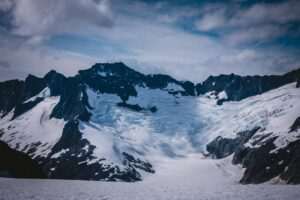
For technical alpine climbers, the Chugach Range offers routes on snow, ice, and mixed terrain that rival destinations far more famous. The Snowbird Glacier corridor, accessed from the Hatcher Pass area or from the Eklutna drainage, hosts classic Alaskan alpine routes on steep couloirs and mixed rock-and-ice faces — some routes completing in a long day from a high camp, others requiring multi-day glacier approaches. The Chugach’s proximity to marine moisture means weather can deteriorate rapidly; alpine routes here carry a weather risk that desert or continental range climbing doesn’t.
The standard Alaska alpine season runs May through August for rock-dominated routes, with the best consolidated snow conditions for couloir climbing typically found in May and early June before summer heat softens the névé. July and August offer the longest days — Alaska’s latitude provides nearly continuous daylight in June and July, with usable light around the clock for summit attempts. September brings unstable weather and early snowfall at elevation, compressing the window for technical alpine routes quickly.
Indoor Climbing: Alaska Rock Gym
Alaska Rock Gym, Anchorage’s primary indoor climbing facility, is the starting point for most visitors and many residents who want to develop technique before heading to the outdoor crags or assess conditions before committing to an outdoor day. The gym offers top-rope and lead routes across a full range of difficulties, bouldering terrain, and rental equipment including harnesses, shoes, and belay devices. Day passes allow drop-in visits without membership; instruction programs and guided sessions are available for beginners who want structured technique development before venturing outdoors.
The gym serves multiple functions for the climbing visitor: introduction to the local climbing community, source of current beta on outdoor routes, rental gear for visitors who didn’t pack climbing equipment, and a training option on days when Chugach weather closes the outdoor crags. Anchorage’s climbing community is small enough that staff and regular members at the gym are typically familiar with current conditions on the area’s most popular outdoor routes.
Guided Climbing Options
Several guide services operating out of Anchorage offer guided rock and alpine climbing for visitors who want professional instruction or who want to access backcountry routes beyond their independent ability. Standard offerings include beginner introductory climbing days on lower Chugach crags ($150–$250 per person for a half-day), single-pitch outdoor instruction for gym climbers transitioning to outdoor trad ($200–$300 per person), and multi-day alpine courses covering glacier travel, crampon technique, crevasse rescue, and technical route climbing ($500–$1,200 per person depending on duration and terrain).
Guide services can be identified through the American Mountain Guides Association (AMGA) directory; prioritize services with AMGA-certified guides for technical alpine terrain. The Alaska Mountaineering School and several independent guide services offer Chugach-specific programs through the summer season. Booking guided trips at least two to four weeks in advance is advisable for July and August, when available guide days fill with prior bookings.
Gear: What to Bring and What to Rent
For sport climbing at established Chugach crags, a standard sport rack (12–15 quickdraws, a 60m dry-treated rope, harness, helmet, and rock shoes) covers most routes. For trad climbing in the Eagle River area, a standard rack with doubles from 0.3 to 3 inches (Camalots or equivalent) handles the most common crack sizes on Chugach granite, supplemented by nuts and offset nuts for thinner placements. Alpine routes require crampons, ice axes, glacier rope, and crevasse rescue equipment in addition to rock gear — the full Chugach alpine kit is substantial.
Anchorage outdoor retailers including REI (at the northern end of the city) and smaller specialty shops carry rental gear for climbers, including harnesses, helmets, and ice axes. Rock shoes are generally not available for rental; if climbing shoes are not in your pack, purchase rather than improvise. A waterproof outer layer is essential for all Chugach outings regardless of morning forecast — afternoon weather on Chugach peaks is unpredictable year-round.
Winter Ice Climbing
Anchorage-area climbing doesn’t stop in winter. The Matanuska Valley north of the city produces ice climbing routes on frozen waterfalls when temperatures drop consistently below freezing in December and January. Hatcher Pass, which develops reliable ice on north-facing drainage walls in cold winters, is the most established winter climbing venue within day-trip range of Anchorage. The Alaska Railroad‘s winter schedule provides access to Mat-Su Valley staging towns for climbers without vehicles, though most ice climbing parties drive directly to trailhead parking areas.
Ice climbing in the Anchorage area requires a step up in equipment and technique from summer rock climbing — double boots, technical ice tools, ice screws, and belay/rappel setups on ice anchors. The guided glacier ice climbing tours at Matanuska Glacier (described in the glacier trekking guide on this site) provide an accessible introduction to vertical ice at lower commitment than roadside waterfall routes, which typically have more serious runout and anchor complexity.
Alaska-Specific Safety Considerations
Chugach State Park climbing crags sit in active bear habitat. Black bears are present throughout the lower elevations; brown bears range through the Eagle River drainage and upper Eklutna terrain. Carry bear spray on all crags-to-car approaches and be alert at cliff bases where bears may not hear approaching climbers. Food and strongly scented items should be secured or carried rather than left at the base. Moose also use the valley drainages and can be aggressive when startled — the same trail-awareness practices apply at the crag as on hiking trails.
Rock quality on Chugach crags varies significantly. Chugach schist — the dominant rock type in many areas — can be loose, particularly on less-traveled routes and in the upper sections of faces above the main climbing areas. Test holds before weighting them, especially on routes outside the most established lines. Helmet use is non-negotiable on all Chugach routes. No permits are required for climbing in Chugach State Park, but leave-no-trace practices and registration with park staff for overnight backcountry parties are standard expectations.
Kincaid Park on Anchorage’s west side, while not a climbing venue, provides one of the city’s best training grounds for aerobic base and terrain familiarity that supports Chugach climbing approaches — the park’s 40+ miles of trails through mature spruce forest and open ridgeline offer year-round conditioning options within the city. Climbers can pick up gear, shoes, and harnesses at REI Anchorage on Northern Lights Boulevard before any crag approach.
Featured photo by Liam Moore on Pexels.
No comments yet.