
Rock Climbing Near Anchorage 2026: Crags, Bouldering & Alpine Routes
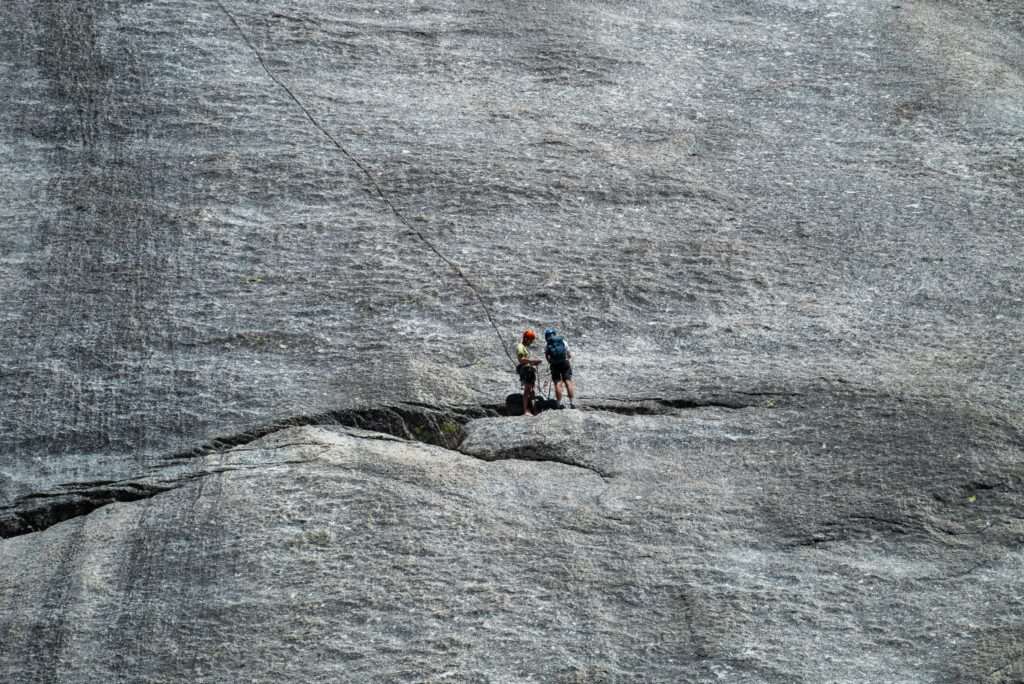
Anchorage sits at the edge of the Chugach Mountains, one of North America’s most dramatic and accessible alpine environments. For climbers, that proximity is the whole story: technical rock, ice, mixed routes, and glaciated peaks begin where the road ends, often within 20 miles of downtown. Visitors who come for the hiking frequently discover, mid-trip, that the area around them was designed for climbing.
This guide covers the main climbing areas accessible from Anchorage in 2026 — from beginner-friendly sport crags to serious alpine objectives. If you have a rope, a rack, and a reasonable fitness base, Southcentral Alaska will exceed almost any expectation.
Understanding the Climbing Landscape
The rock near Anchorage is predominantly granite and schist, with quality that ranges from excellent (particularly in the Chugach granite zones) to loose and adventurous on some lower-elevation faces. The alpine routes involve glaciated terrain and require glacier travel skills, crampon proficiency, and crevasse rescue knowledge. Many of the best objectives are not sport climbing in any conventional sense — they are mountaineering routes on technical terrain.
For visitors who want bolted routes with predictable grades, the sport crag options near Anchorage are limited compared to climbing destinations in the Lower 48. What the area trades in bolted convenience, it makes up for in wilderness character and scale.
Mirror Lake Crags: The Most Accessible Sport Climbing
Located roughly 45 minutes north of Anchorage near the town of Wasilla, the Mirror Lake area has the most developed sport climbing in the region. Routes here are bolted, grades run from 5.7 to 5.12, and the setting — conifer forest, lake views, quiet mid-week atmosphere — is excellent. This is where Anchorage climbers go when they want a focused session on known grades.
The crags receive moderate traffic and conditions vary by season. The best climbing window at Mirror Lake runs May through September, with July and August typically offering the most reliable dry rock. Expect some lichen on lower-traffic routes; bring a brush.
Hatcher Pass: Rock, Ice & Alpine Terrain
Hatcher Pass, about 90 minutes north of Anchorage in the Talkeetna Mountains, offers the region’s most varied climbing terrain in a single accessible location. In summer, the pass provides rock scrambling and multi-pitch routes on clean granite with views across the Matanuska-Susitna Valley. In late fall and winter (when the road is accessible — check conditions), the area transforms into prime ice and mixed climbing terrain with routes forming reliably in shadowed couloirs.
Independence Mine State Historical Park sits at the top of the pass and provides a useful reference point. The crags and ridgelines above the mine have seen first ascents by local climbers for decades, and many routes remain unrecorded in any formal guide. Local knowledge helps here.
Eklutna Valley: Multi-Pitch Trad
The Eklutna Valley, accessed from the Eklutna Lake trailhead about 35 miles northeast of Anchorage, opens up serious trad climbing terrain in the Chugach front range. Routes here are predominantly trad lines on granite and metamorphic rock, ranging from moderate single-pitch climbs above the lake to committing multi-pitch routes higher in the valley.
Getting to the better climbing requires a hike of two to seven miles depending on your objective, which naturally filters the traffic. The valley is quiet even on summer weekends, and the quality of the granite in the upper zones is genuinely excellent. Bring a full rack; fixed gear is minimal.
Chugach State Park: The Urban Alpine Backdrop
The Chugach Mountains that form Anchorage’s eastern skyline offer extensive scrambling and some technical terrain directly from the city’s trailheads. Flattop Mountain (the most-climbed peak in Alaska) involves Class 3 scrambling near the summit. The routes extending further along the Chugach front — toward the O’Malley and Peak 2, 3, and 4 series — move into Class 4 and legitimate low-5th territory.
These objectives are not crag climbing. They are mountain days that happen to require occasional technical movement. The reward is access: you can start from the Glen Alps or Hillside trailheads, be on technical terrain within two hours, and be back in Anchorage for dinner.
Ruth Gorge & Denali: The Expedition Tier
Accessible via a short flight from Talkeetna (about three hours north of Anchorage), the Ruth Gorge is one of the world’s premier big wall destinations. The Moose’s Tooth, Mount Dickey, and the Great Gorge walls attract elite alpine climbers from around the world, with routes ranging from moderate ski descents to some of the most demanding mixed climbing on the planet.
Denali, at 20,310 feet, is North America’s highest peak and a serious mountaineering expedition requiring significant planning, permit applications months in advance, and 17 to 21 days on the mountain. The standard West Buttress route involves glacier travel and cold camping rather than technical rock, but the mountain’s scale demands full alpinism competence.
These are not day objectives from Anchorage, but they are realistically accessible for expedition climbers who want to stage from the city.
Guided Climbing Options
Several guide services operate in Southcentral Alaska and offer programs for visitors at all skill levels:
- Alaska Mountaineering School (Talkeetna): Focuses on Denali expedition preparation, crevasse rescue training, and guided alpine routes in the Alaska Range.
- Alaska Rock Gym (Anchorage): Indoor facility that also connects climbers with local guides and maintains a community bulletin board for finding partners.
- Local guide services: Several independent AMGA-certified guides operate out of Anchorage and offer custom itineraries for sport cragging, trad climbing in the Chugach, and multi-day alpine objectives. Inquire through the Alaska Mountaineering Club or local gear shops.
Bouldering
Bouldering near Anchorage is less developed than in major climbing destinations but exists in scattered form throughout the Hillside area and Chugach front. The Powerline Pass trail and the terrain around Glen Alps have boulders with established problems, although the scene lacks a comprehensive guidebook. The best way to find current bouldering beta is through the Alaska Rock Gym community and social media groups specifically for Anchorage climbers.
Seasons and Conditions
Rock climbing season near Anchorage runs May through September, with the prime window from late June through August. Snow lingers on approach routes into June, and early September can bring the season’s first new snow to higher elevations. Routes in the Chugach front dry quickly after rain due to good drainage and reasonable sun exposure.
Ice and mixed climbing season runs November through March, with some areas forming as early as October. The Hatcher Pass area and the Eklutna drainage both produce classic ice routes in hard winters. Conditions vary year to year — check the Alaska Mountaineering Club and local Facebook groups for current beta.
Gear and Preparation
For sport climbing at Mirror Lake: a 60m rope, 12-15 draws, shoes, and harness. Standard rack for most lower-elevation areas.
For Chugach trad: full nut and cam rack from .2 to 3 inches, helmet mandatory. Many routes involve mixed terrain — bring approach shoes and light trail runners; crampons for snowfields in early season.
For alpine objectives: glacier travel kit (crampons, ice axe, crevasse rescue gear), beacon/probe/shovel in winter and spring, and conservative decision-making about turnaround times. Alaska weather moves fast. Self-rescue on most Chugach objectives is genuinely difficult — go with a partner, file a trip plan, and carry a communication device.
Getting to the Crags
All major climbing areas described here are accessible by car from Anchorage. A rental vehicle is essential — trailheads for Eklutna and Hatcher Pass are not on any public transit route. For flights to the Ruth Gorge or Denali, book with the small plane operators based in Talkeetna (K2 Aviation, Talkeetna Air Taxi, Sheldon Air Service).
The Alaska Rock Gym on Bond Street in Anchorage is the social hub for the local climbing community. Stop in before heading into the mountains — the people there will tell you what’s currently in condition, what to avoid, and who’s looking for a partner.
No comments yet.