
River Rafting Near Anchorage 2026: Sixmile, Matanuska & Kenai
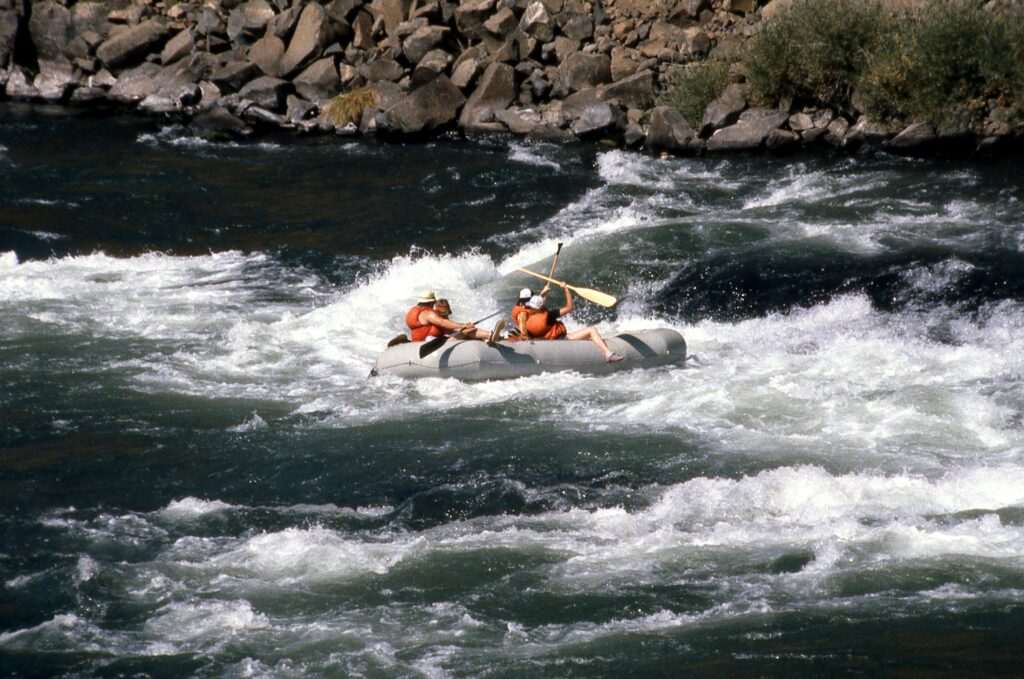
Southcentral Alaska has more whitewater and float trip options within two hours of Anchorage than most visitors realize, ranging from glacier-fed Class V rapids that have humbled experienced paddlers to mellow wildlife-watching floats suited for families with young children. The rivers here run with snowmelt and glacial silt through the middle of summer — cold, fast, and clear in the way that Alaska rivers are clear, which is to say a milky blue-grey where glaciers are involved and crystalline amber where they are not. Here is what is accessible from Anchorage, how difficult it is, and who it is right for.
Sixmile Creek — Class IV–V, Expert to Advanced
Distance from Anchorage: ~80 miles (2 hours via Seward Highway and Hope Highway)
Difficulty: Class IV–V
Season: Late May through early September
Minimum age: Typically 16 for the upper canyon; 13 for the lower canyon with most operators
Sixmile Creek runs out of the mountains above Hope, Alaska — a tiny gold rush-era community on a spur road off the Seward Highway. The creek drops through two canyon sections before joining Turnagain Arm, and the upper section contains some of the most demanding accessible whitewater in the state. The feature rapid — called “Oh My God” by the guides who run it daily — is a committed Class V drop with a short window to set up and limited room to recover if you miss the line.
Nova River Runners has operated guided Sixmile trips for decades and is the best-known operator on this stretch. Half-day trips typically cover the more accessible lower canyon (Class IV); full-day packages run both canyons for paddlers who want the full experience. The upper canyon requires no prior whitewater experience — the guide does the technical work — but it requires comfort with cold water immersion and genuine Class V consequences if a raft flips. It does flip, on occasion, and the guides are skilled enough to manage it. That said: this is not a trip for anyone who does not want to get genuinely wet in 45°F water.
Chugach Adventures also offers guided rafting in the Southcentral region and is worth contacting for multi-day itinerary planning that incorporates Sixmile alongside other Chugach-area activities.
Gear provided by operators: helmet, drytop or wetsuit, PFD, paddle. Wear synthetic base layers under your wetsuit; cotton kills in cold water. Closed-toe shoes that can get wet are required. Budget 6–8 hours for the full round-trip including drive from Anchorage.
Matanuska River — Class III, Intermediate
Distance from Anchorage: ~100 miles (1.5–2 hours via Glenn Highway)
Difficulty: Class III
Season: June through August
Minimum age: Typically 8–10 with most operators
The Matanuska River runs glacier-fed from the Matanuska Glacier — the same glacier you can walk on via guided tours — and the rafting section downstream of the glacier terminus offers Class III whitewater in one of the most dramatic river corridors in Alaska. The Chugach and Talkeetna ranges rise on both sides, the water is that characteristic glacial grey-blue, and the scenery actively competes with the whitewater for your attention.
Class III on the Matanuska means real rapids — you will get wet, the boat will hit waves, and you need to paddle actively — but it does not carry the consequence level of Sixmile. It is the sweet spot for visitors who want a genuine whitewater experience without the advanced commitment. Families with children 10 and older typically handle it well; the main challenge is the water temperature, which runs in the mid-40s°F through summer and makes wetsuit gear non-optional even in July.
Several Anchorage-based operators run half-day Matanuska trips that can be combined with a Matanuska Glacier walk the same day — a long but logistically clean way to get two signature Chugach experiences in one outing. The Glenn Highway drive to the put-in passes through the same King Mountain and canyon scenery that makes this corridor one of Alaska’s most scenic highway routes.
Kenai River Float Trips — Class I–II, Family-Friendly
Distance from Anchorage: ~120 miles (2.5 hours via Seward Highway and Sterling Highway)
Difficulty: Class I–II
Season: May through September
Minimum age: No practical minimum for float sections; families with toddlers run these trips
The Kenai River is Alaska’s most-fished river — its sockeye salmon runs are among the largest in the world — and the float trip sections between Cooper Landing and Sterling offer wildlife-watching from the water in a setting that rarely disappoints. Bald eagles are essentially guaranteed; moose sightings along the banks are common; brown bears occasionally appear at the river’s edge during salmon runs from late July onward. The water is swift but not technical, and the drift boat or raft experience is fundamentally about being in the landscape rather than fighting it.
The Kenai float is the right call for: families with young children, visitors who prioritize wildlife over adrenaline, and people who want to fish from a raft (guided fishing float trips on the Kenai are a separate and substantial industry — most Kenai River outfitters specialize in fishing, not just sightseeing). For pure sightseeing floats, confirm with your operator that the trip is not a fishing-primary itinerary; some float companies have both products and the experience differs significantly.
Half-day floats run 4–5 hours on the water. Full-day trips extend to the more remote sections downstream. Kenai-based operators are closer to the put-in and generally less expensive than Anchorage operators offering a shuttle; the trade-off is the 2.5-hour drive each way, which makes this a full day regardless of the float length.
Comparison at a Glance
| River | Class | Drive | Best For | Water Temp |
|---|---|---|---|---|
| Sixmile Creek | IV–V | 2 hrs | Thrill-seekers, adventurers | ~44°F |
| Matanuska River | III | 1.5–2 hrs | Active families, intermediate paddlers | ~45°F |
| Kenai River | I–II | 2.5 hrs | Families, wildlife watchers, first-timers | ~50°F |
Seasonal Water Levels
All three rivers are snowmelt and glacially fed, which means water levels and flow speed peak in late May through June as the snowpack releases and again in July if warm temperatures accelerate glacial melt. June is typically the highest-water period: Sixmile is at its most powerful and most dangerous; Matanuska is higher and pushes Class III toward the upper end of the range; Kenai is fast but manageable. By August, flows moderate. September sees lower, cleaner water — better visibility, slightly warmer (relatively) temperatures, and autumn color on the hills above the river banks.
Most operators rate their trips conservatively, but it is worth asking current conditions before booking Sixmile in particular. A high-water early June Sixmile day is a different trip than a mid-August run, and operators will tell you honestly which is on offer.
What to Wear and Bring
- Wetsuits: Provided by all reputable operators for Sixmile and Matanuska trips. On Kenai float trips, wetsuits are less standard but available on request given the water temperature.
- Base layers: Synthetic (polyester or wool) under the wetsuit. Do not wear cotton — it provides no insulation when wet.
- Footwear: Neoprene booties (usually provided) or old sneakers that can be fully soaked. No sandals.
- Dry bag: For camera, phone, and any personal items. Most operators provide one; bring a backup for valuables.
- Sunscreen and sunglasses: Water reflection at Alaska latitudes in summer is intense. Polarized glasses help with glare and wildlife spotting.
The rivers near Anchorage do not require you to be an experienced paddler — the guides handle the technical work. What they require is willingness to be uncomfortable in cold water and some trust in the people running the boat. That combination, for most visitors, turns out to produce one of the more memorable days in Alaska.
Featured photo by Max Brassfield on Pexels.


No comments yet.