
Resin Art and Epoxy Workshops in Anchorage 2026
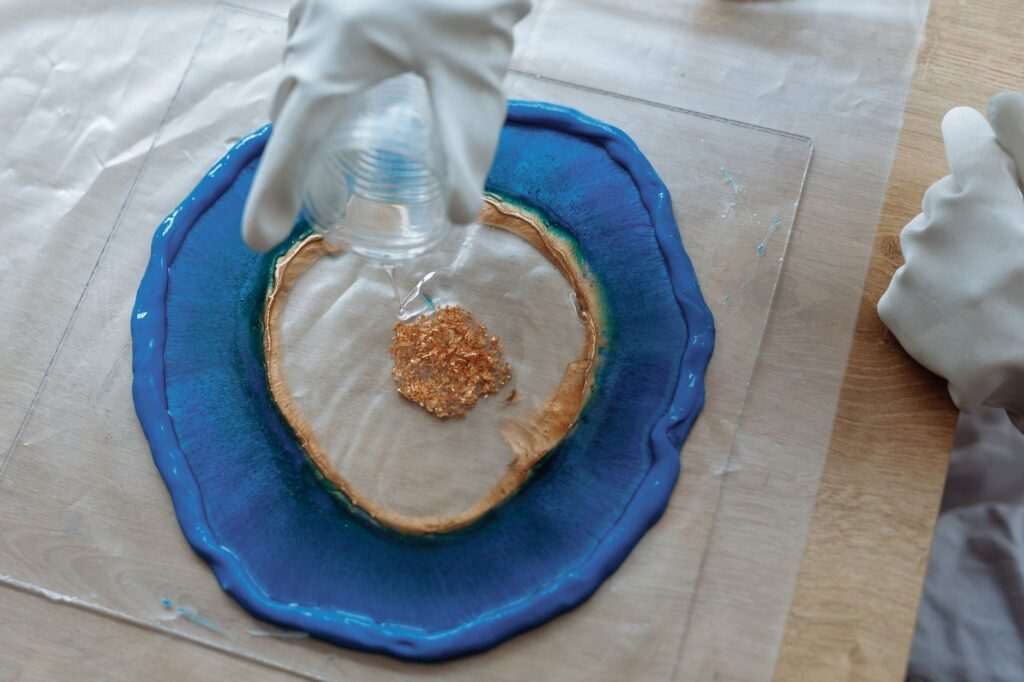
Resin art uses epoxy resin — a two-part liquid plastic that cures to a clear, hard, glass-like surface — as both a medium and a coating, producing pieces that can encapsulate objects, create fluid color effects, and achieve a depth and luminosity that most other art materials don’t replicate. The category spans ocean pour paintings (mimicking wave and water effects with layered pigmented resin), river table woodworking (filling natural wood voids with colored resin), jewelry and casting (encapsulating botanicals, stones, or other inclusions in pendant or tabletop form), and functional objects (coasters, serving boards, trays) with decorative resin surfaces. Alaska’s natural materials — dried wildflowers, lichen, birch bark, beach glass, foraged moss — make exceptional resin inclusions, and several Anchorage workshops have built Alaska-specific resin art curricula around the state’s distinctive natural palette. This guide covers resin art and epoxy workshops in Anchorage in 2026.
How Epoxy Resin Works
Epoxy resin consists of two components — resin and hardener — that must be mixed in a precise ratio (typically 1:1 or 2:1 by volume depending on the product) to trigger the chemical curing reaction. Incorrect ratios produce resin that cures tacky, soft, or not at all. Temperature matters: epoxy cures faster in warm environments and may not cure properly below 60°F — significant in Alaska, where workshop spaces need to maintain adequate warmth during and after pours. Most epoxy products reach handling hardness in 12–24 hours and full cure strength in 3–7 days.
During the curing process, the resin generates heat (an exothermic reaction) that accelerates cure and can cause yellowing or cracking if pours are too thick. Most resin artists work in layers for pieces thicker than ¼ inch, allowing each layer to partially cure before adding the next. This layering approach allows for depth effects — objects can be placed at different depths within the piece — but requires patience and planning.
Safety is a genuine consideration with epoxy resin, not a formality. Uncured resin is a skin sensitizer — repeated exposure without protection can develop into a contact allergy. Proper protective gear (nitrile gloves, safety glasses, and ventilation) is non-negotiable in any serious resin workspace. VOCs from the curing process require adequate air exchange; most Anchorage workshops address this through dedicated ventilated studio spaces.
Alaska Natural Inclusions in Resin Art
The most distinctive Alaska resin art uses the state’s natural materials as inclusions encapsulated within the clear or tinted resin. Several approaches work well:
- Dried wildflowers: Fireweed blossoms, lupine florets, wild roses, yarrow, and forget-me-nots (Alaska’s state flower) press and dry beautifully. Silica gel drying or pressing under weight produces flat flowers for pendant and coaster work; air-dried three-dimensional flowers work in deeper casting molds. Petals must be completely dry before encapsulation — residual moisture causes cloudiness.
- Lichen and moss: Dried lichen (collected from fallen branches) and preserved moss add texture and organic character. Moss requires preservation (glycerin treatment or careful drying) before encapsulation to prevent color loss and off-gassing that clouds the resin.
- Birch bark: Alaska’s paper birch produces bark with distinctive white-and-black markings that encapsulates beautifully in clear resin for pendants and serving boards.
- Beach glass and stones: Southcentral Alaska beaches — particularly Cook Inlet and the Kenai Peninsula coast — produce smooth stones and occasional sea glass worth encapsulating. The resin’s optical clarity makes stones appear as if wet, enhancing their natural color saturation.
Resin Art Workshops in Anchorage
Anchorage’s resin art workshop market has grown significantly over the past three years, tracking the broader national interest in the medium. Several craft studios offer pour painting workshops (the ocean wave aesthetic using silicone cells and layered color) as their primary resin offering, with Alaska landscape color palettes — glacier blues, aurora greens and purples, tundra oranges — as the standard workshop themes. These produce 8×10 or 12×12 canvas pieces that participants take home after the curing period.
Inclusion workshops — focused on casting and encapsulating Alaska botanicals in jewelry, coasters, or tabletop pieces — are less common but available through independent instructors who specialize in botanical resin work. These require more preparation (gathering and drying materials in advance of the workshop) and typically run longer than pour painting sessions.
Workshop prices run $55–$95, covering materials including resin, pigments, and the substrate (canvas, wood board, or casting mold). The Alaska-specific appeal — creating a piece that incorporates materials from the landscape you’ve been exploring — makes resin workshops particularly popular with visitors who want a tangible, Alaska-specific take-home from a craft experience.
Working with Resin at Home in Alaska
Alaska’s climate creates specific resin working conditions. The dry forced-air heating of most Alaska homes prevents the high-humidity issues that cause resin cloudiness in maritime climates, but temperature drops in unheated spaces (garages, outbuildings) during winter can prevent proper cure. A dedicated warm indoor workspace maintained above 65°F throughout the 24-hour initial cure period is the key requirement. Storage of uncured resin below 50°F thickens the components and makes mixing difficult — keeping resin supplies in a heated indoor space rather than an unheated garage is essential in Alaska. Anchorage craft workshop participants can show and sell their finished work at year-round events including the Anchorage Market & Festival, the Anchorage Native Arts & Culture Festival, and the Alaska State Fair. Our free things to do in Anchorage guide covers the natural spaces and markets where Alaska botanical resin inclusions are most accessible, and our Anchorage hiking guide covers the trail environments where Alaska’s most distinctive natural resin materials — wildflowers, lichen, stones — are most abundant.

No comments yet.