
Prince William Sound Kayaking 2026: Multi-Day Routes from Whittier
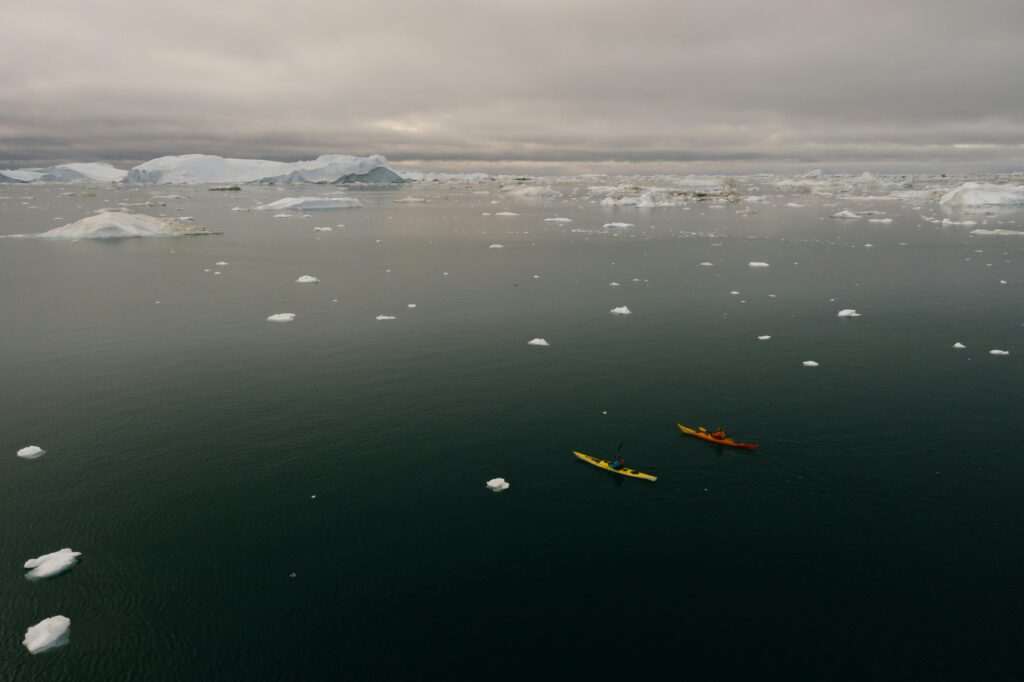
Prince William Sound has 3,000 miles of coastline — more than the US Pacific Coast — and most of it is accessible only by boat. Tidewater glaciers calve icebergs into protected fjords. Orca pods work the inner passages. Harbor seals haul out on ice chunks a paddle’s length from your bow. The Sound is one of the great sea kayaking environments on earth, and Whittier — 1.5 hours from Anchorage through the Anton Anderson Memorial Tunnel — puts you at its doorstep.
Why Prince William Sound
PWS combines the features that make sea kayaking extraordinary: complex coastline with thousands of islands and protected channels for route variety, active marine ecosystems at their most productive, dramatic scenery (glaciers, fjords, forested islands, snow-capped peaks), and relatively protected inner passages that allow intermediate paddlers to access genuine wilderness without the exposure of open ocean.
The Sound covers about 15,000 square miles. You could paddle here for a lifetime and not see all of it. For multi-day trips, the combination of remote beach camping and wildlife density creates experiences that rank among the finest sea kayaking available anywhere.
Launching from Whittier
Whittier is the primary access point for PWS sea kayaking from Anchorage. The Prince William Sound Kayak Center in Whittier offers rental kayaks, guided day tours, and multi-day expedition support. They know the Sound intimately and can advise on current conditions, wildlife activity, and route planning for your specific goals and experience level.
The Anton Anderson Memorial Tunnel (the longest combined highway-rail tunnel in North America at 2.5 miles) connects Portage to Whittier and runs on an alternating schedule — check the tunnel timing before you plan your departure and return. The drive from the tunnel to the Whittier boat launch takes about 10 minutes.
Top Routes
Blackstone Bay (Day Trip to 2-Day)
Blackstone Bay is directly accessible from Whittier — paddle out of the harbor, cross Passage Canal, and enter the bay that leads to multiple tidewater glaciers at its head. The bay has protected water in normal conditions, calving glaciers within a day’s paddle, and excellent wildlife throughout. Harbor seals use the floating ice constantly; sea otters are common.
A day trip to the first glacier faces and back is achievable for intermediate paddlers in 7–9 hours. An overnight in the bay gives you the morning light on the glacier and eliminates the rush. Camping on the beaches within the bay is available; bears are present — bear canisters are required.
Knight Island Passage (3–7 Day)
Knight Island Passage is the classic PWS multi-day route — a roughly 60-mile circumnavigation of Knight Island through the central sound. The route involves open water crossings that require timing with conditions (the Sound’s weather can shift quickly), but the inner passages are well-protected. The route passes through areas with high orca sighting rates, exceptional fishing, and remote campsites on beaches and islands that haven’t been humanly occupied since the Exxon Valdez oil spill response crews worked these shores in 1989.
This route requires solid paddling skills, self-rescue ability, and multi-day expedition experience. Going with a guide for your first extended PWS trip is strongly recommended.
Columbia Glacier Approach
Accessing Columbia Glacier by kayak involves a water taxi from Whittier to the glacier vicinity, then paddling through the active iceberg field around the calving face. The glacier has been retreating rapidly since the 1980s, and the iceberg density in the fjord it’s created is extraordinary — paddling through massive floating ice sculptures with the calving face ahead is one of the most surreal kayaking experiences available. This requires an experienced paddler; glacial ice falls and rolls unpredictably, creating waves and currents. Commercial water taxis from Whittier provide access, and guide services with glacier kayaking experience are the responsible approach for first-timers.
Wildlife
The Prince William Sound Sea Otter Sanctuary highlights one aspect of the Sound’s extraordinary wildlife density. From a kayak:
- Sea otters: Abundant throughout the inner sound, floating in groups, cracking shells on their stomachs, barely moving out of your path
- Orcas: Both resident (fish-eating) and transient (mammal-eating) pods frequent PWS — encounters from a kayak are quiet and immediate in a way powerboat encounters aren’t
- Humpback whales: Common in the outer passages, particularly in productive feeding areas near the open Gulf
- Harbor seals: On every ice floe near the glaciers
- Steller sea lions: At haul-out rocks throughout the sound
- Black bears and brown bears: On the shorelines of the larger islands, particularly near salmon streams in late summer
Gear for Alaska Sea Kayaking
Alaska open water requires gear beyond what warm-water kayaking demands:
- Drysuit: Strongly recommended. The water temperature in PWS runs 40–50°F year-round. Immersion in that water is survivable only for minutes without protection. Drysuits are rentable from Whittier kayak outfitters.
- VHF marine radio: Required for any multi-day or offshore paddling in Alaska. Weather can close in quickly and the radio is your communication link.
- Bear canister: Required for camping in many PWS areas; always use one in bear country regardless.
- Navigation materials: NOAA charts for your specific area, compass, knowledge of tidal windows for crossings.
Weather and Planning
PWS weather is variable and can be severe. The sound generates its own local conditions, and afternoon wind-chop on open crossings can make routes impassable that were calm in the morning. Check forecasts through NOAA and the National Weather Service; plan crossings for early morning when conditions are typically most stable. Build extra days into any multi-day itinerary — weather delays of 1–2 days are normal.
Peak paddling season is June through September. July and August have the most reliable weather window and the richest wildlife activity. Late August and September bring calmer winds, fall color beginning on the hillsides, and dramatically fewer people.

No comments yet.