
Kincaid Park Anchorage: Trails, Sunsets & Wildlife Guide 2026
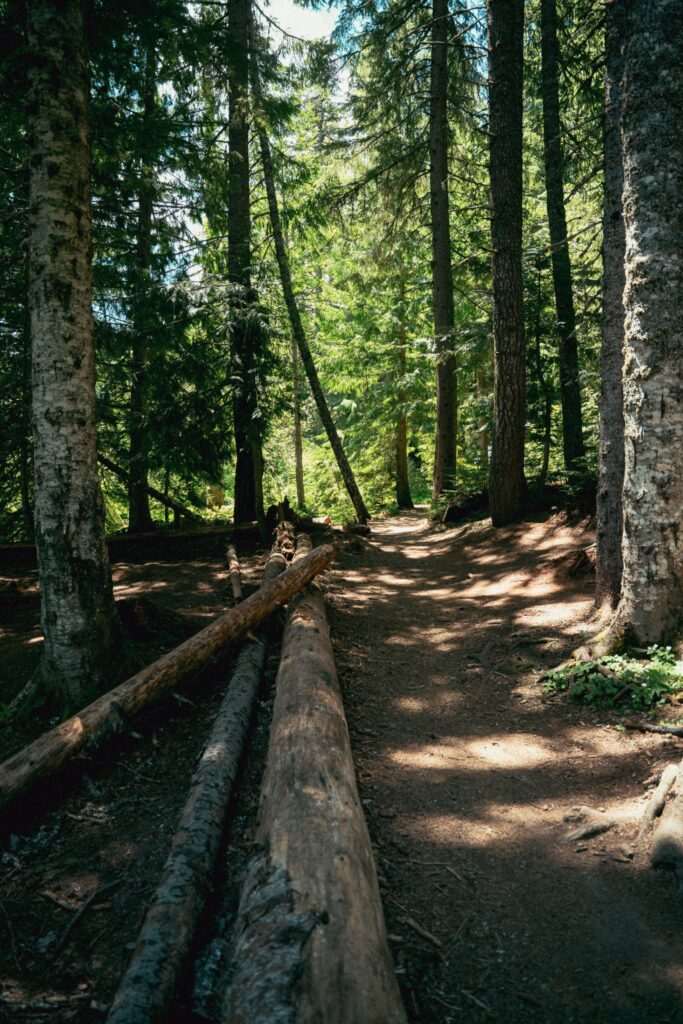
Most city parks offer a bench, some grass, and a paved path. Kincaid Park offers 1,400 acres of boreal forest, a bluff above Cook Inlet with unobstructed views of the Alaska Range, 40 miles of trails, and moose around every third corner. Located at the southwest tip of Anchorage — fifteen minutes from downtown — it is one of the largest and most genuinely wild municipal parks in the United States. There is no entrance fee, no permit required, and no shortage of ways to spend a morning or an entire day inside it.
Getting There
Kincaid Park is reached via Raspberry Road or Jewel Lake Road in southwest Anchorage. Both routes dead-end at the park’s main trailhead area near the Kincaid Chalet, a large facility that serves as the hub for trail maps, restrooms, and the park’s extensive Nordic ski network in winter. Parking is free and typically plentiful except on peak summer weekends when the lot can fill by mid-morning. The park sits on a raised peninsula that juts into Cook Inlet, which means every direction from the interior trails eventually delivers you to an edge with a view.
Hiking and Trail Network
The trail system at Kincaid covers over 40 miles of maintained paths ranging from flat, wide gravel loops near the chalet to narrow single-track routes that wind through dense spruce and birch into the park’s more remote corners. The Moose Track Trail, approximately two miles and relatively flat, is the most popular introduction to the park — it threads through the forest interior where moose sightings are frequent and the tree canopy filters the light beautifully in the long Alaskan summer afternoons.
For longer outings, the park’s western trails descend to the coast and connect to the Tony Knowles Coastal Trail, Anchorage’s eleven-mile multi-use path along Cook Inlet. Entering Kincaid from the coastal trail creates a natural loop that combines inlet views with forest interior — a full-circuit route that covers some of the most scenic terrain accessible on foot in the city. The elevation change between the bluff top and the beach is modest but consistent, giving the coastal sections a distinct feel from the interior forest.
The Bluff and Cook Inlet Views
The western edge of Kincaid Park drops to dramatic bluffs above Cook Inlet. From the bluff top, the view extends across the inlet to the broad flats at the base of the Alaska Range, with Mount Susitna — locally called the Sleeping Lady — lying in profile across the water to the northwest. On clear days, Denali is faintly visible above the range beyond. The bluff area also overlooks the final approach to Ted Stevens Anchorage International Airport, and watching cargo aircraft and commercial jets pass below eye level against the backdrop of the Alaska Range is a genuinely arresting experience.
The bluff is Anchorage’s best sunset location. In summer, the sun sets over Cook Inlet in the northwest, and the long golden light plays across the water for hours before final darkness — which in June and July barely comes at all. Arriving one to two hours before the forecast sunset time gives the best light conditions for photography, and the bluff area retains warmth from the sun long after the forest trails have cooled.
Mountain Biking
Kincaid has developed a reputation among cyclists as one of the best mountain biking destinations in Anchorage. The park’s extensive trail network includes dedicated single-track routes with varied terrain — root-laced forest paths, open meadow crossings, and technical sections that challenge experienced riders. The same trail network that serves Nordic skiing in winter converts to biking and hiking in summer, and the trail density means routes of almost any desired length and difficulty are available. Local cycling clubs maintain many of the trails and the conditions are generally well-kept through the summer season.
Wildlife
Kincaid is consistently cited as one of the most reliable spots in Anchorage for moose encounters, and the park fully earns that reputation. Moose use the park as year-round habitat — browsing willows along the trail corridors in summer, bedding in the dense spruce in winter. Early morning walks in the interior sections of the park regularly produce close sightings. Red foxes are seen periodically throughout the park. Bears — both black and brown — occasionally pass through from the Chugach foothills, and the park’s posting system alerts visitors when recent bear activity has been logged.
Bald eagles are common overhead, riding thermals above the bluff and hunting the inlet below. The coastal sections provide shorebird watching during migration, and the forest interior supports a variety of songbirds through the summer nesting season. Westchester Lagoon, a short drive east toward downtown, pairs well with Kincaid for a half-day focused on urban wildlife — lagoon waterfowl in the morning, Kincaid forest and moose in the afternoon.
Winter Legacy
Though this guide focuses on summer, Kincaid’s winter identity is worth knowing for context. The park hosted a FIS Cross-Country Skiing World Cup in 2023, and the Nordic ski network — groomed to international race standards — is widely considered the finest urban ski facility in North America. The same trail infrastructure that makes Kincaid exceptional for skiing makes the summer trail network unusually well-maintained and navigable. The chalet remains open in summer for restrooms and basic visitor information.
Practical Tips
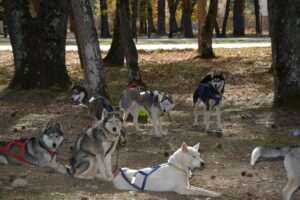
The park is dog-friendly with clearly marked leash and off-leash zones — check signage at the trailhead as the boundaries shift seasonally based on wildlife activity. No fee is charged to enter or park. Bug spray is useful in June and July when mosquitoes are active in the forest sections. The bluff area can be windy even on calm days in town, so an extra layer is worthwhile if you are planning to spend time at the viewpoint. The Anchorage Museum is a good complement to a Kincaid visit for visitors wanting deeper context on the natural history and ecology of the Cook Inlet basin visible from the bluff.
Frequently Asked Questions
Is Kincaid Park suitable for beginners? Yes. The trails near the chalet are flat and well-signed, making them accessible for families, casual walkers, and visitors with no hiking experience. The park’s scale means you can go as easy or as ambitious as you like.
What time is best to visit? Early morning for wildlife and trail solitude; one to two hours before sunset for the Cook Inlet views and light. Weekday mornings are significantly quieter than weekend afternoons in July and August.
Are there facilities in the park? Restrooms are available at the Kincaid Chalet near the main parking area. The archery range is located near the chalet and is open to the public. There are no food or retail services inside the park.

No comments yet.