
Homer Alaska Day Trip from Anchorage 2026 — The Spit, Eagles & Kachemak Bay
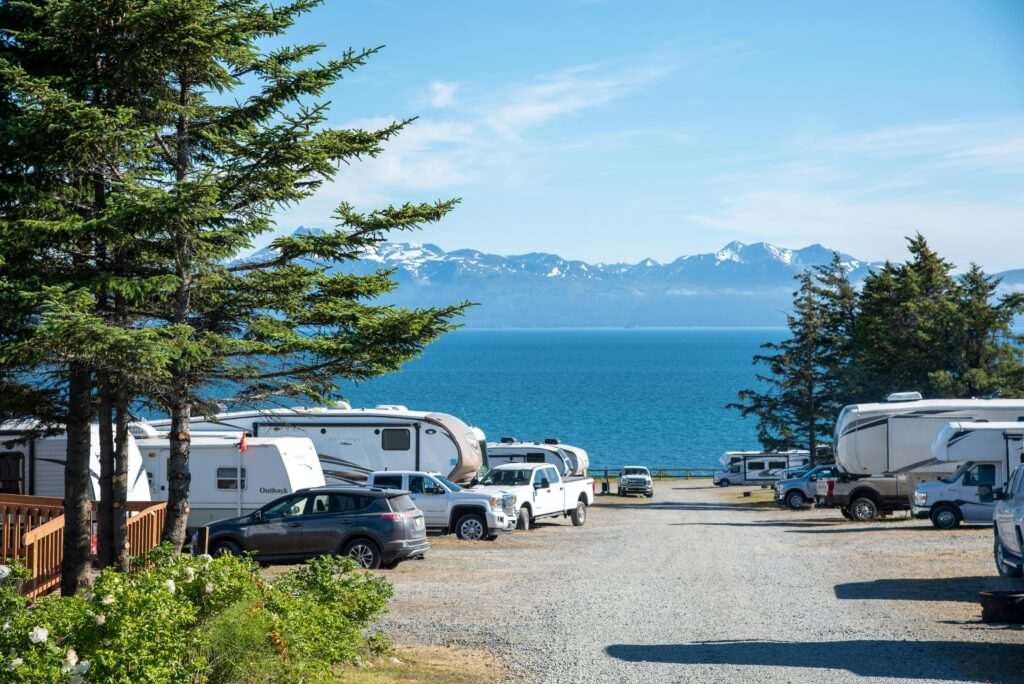
Homer sits at the end of the Sterling Highway, 226 miles south of Anchorage on the tip of the Kenai Peninsula, where the mountains drop into Kachemak Bay and a 4.5-mile sand spit extends into the water like a pointing finger. It’s known as the Halibut Fishing Capital of the World, but the fishing is just one piece of what makes Homer one of Alaska’s best day trips — or better yet, a two-night stop — from the city. You get the spit, the bay, Kachemak Bay State Park across the water, the best bald eagle viewing in Alaska, and a town that has genuine character without being a tourist performance. Here’s how to plan the drive and what to do when you get there in 2026.
Getting There: The Drive from Anchorage
The drive from Anchorage to Homer takes 4.5 to 5 hours under normal conditions — 226 miles on the Seward Highway south to the junction at Tern Lake, then west on the Sterling Highway through the Kenai Peninsula. The drive is beautiful for most of its length. The Seward Highway section follows Turnagain Arm through the Chugach Mountains before opening into the Kenai Peninsula’s boreal forest and lake country. The Sterling Highway passes through Soldotna and Kenai before curving back toward the coast and the dramatic final descent into Homer, where the road drops down a hillside and the whole panorama of Kachemak Bay and the Kenai Mountains appears at once.
The Alaska Wildlife Conservation Center near Portage, about 50 miles south of Anchorage on the Seward Highway, is an easy early-morning stop before you commit to the full drive south.
As a pure day trip, Homer is ambitious — the round-trip drive alone is 9 hours, leaving you roughly 4 to 5 hours in town before you need to turn back. It’s doable, but most people who make this drive feel rushed with a single day. An overnight or two-night stay lets you actually absorb the place. If you’re limited to a day, start early, limit yourself to the Spit, and don’t try to fit a boat tour in on top of the drive.
The Homer Spit
The Spit is the center of gravity for most Homer visits. It’s a 4.5-mile gravel bar extending into Kachemak Bay, narrow enough in places that you can see the water on both sides, lined with charter boat docks, seafood restaurants, art galleries, a campground, an RV park, and the Land’s End Resort at the tip. It’s a working harbor and an arts community and a tourist destination simultaneously, and the combination works better than it has any right to.
The charter boat docks are where Homer’s halibut fishing business operates — dozens of boats going out daily in summer. You don’t have to fish to enjoy the atmosphere of the docks; the morning departure and afternoon return of the charter fleet is worth watching. The restaurants along the Spit are the best in Homer: Captain Pattie’s and Salty Dawg Saloon are the most recognizable names, but the seafood quality across the Spit holds up. If you’re eating only one meal in Homer, eat on the Spit.
The Spit also has the highest concentration of bald eagles you’re likely to encounter anywhere outside a salmon stream at peak run. Eagles perch on the dock pilings, wheel over the harbor, and occasionally land on the beach to pick at fish scraps. Homer has an unusual density of eagles because of the combination of marine food sources and the protected bay environment. Bring a long lens if you have one; you’ll fill a memory card.
Kachemak Bay State Park — The Wild Side of the Bay
Kachemak Bay State Park is on the far side of the bay from Homer and is only accessible by water taxi or floatplane. The park covers 400,000 acres of glaciers, fjords, old-growth forest, and coastline that makes Homer look like a warm-up. A water taxi from the Spit to Halibut Cove or Grewingk Glacier takes 15 to 20 minutes and opens up hiking on the Grewingk Glacier Trail, tidepooling at Halibut Cove Lagoon, and a landscape that has no road access at all. Alan’s Water Taxi & Kachemak Bay Adventures and other operators on the Spit run scheduled crossings to the park and can coordinate your timing.
Halibut Cove itself — a separate private community of about 75 year-round residents, accessible only by water — is one of the most unusual places in Alaska. The residents live on houseboats and floathouses along a saltwater lagoon, connected by boardwalk rather than road. The Saltry Restaurant in Halibut Cove is one of the finest restaurants in Southcentral Alaska and runs a set lunch and dinner service reachable only by the water taxi from Homer’s Spit. Reservations are needed weeks in advance in peak summer.
Sea Kayaking Kachemak Bay
The bay’s protected waters make for excellent sea kayaking — calmer than Prince William Sound’s outer passages, with similar scenery and easier logistics from the Spit launch. Several outfitters on the Spit and in Homer run guided paddle tours of the bay, including trips to the Kachemak Bay State Park shoreline and the sea otter kelp beds near the park boundary. Sea otters are almost certain on a full-day kayak tour — the bay has one of the largest sea otter populations in Alaska, and the animals are relatively unbothered by kayakers at appropriate distances. Major Marine Tours operates boat and wildlife combination packages that include Kachemak Bay among its Kenai Peninsula offerings.
Tidepooling at the Kachemak Bay State Park beaches — accessible by water taxi — is exceptional, particularly at the Grewingk Glacier area where the glacial outwash creates diverse intertidal habitat. The Center for Alaskan Coastal Studies runs guided natural history programs in the park for people who want interpretation alongside their tidepool visit.
Wildlife Viewing in and Around Homer
Homer’s eagle density has already been mentioned, but the wildlife viewing extends well beyond the Spit. The bay itself supports orca, Steller sea lions, Dall’s porpoises, and a year-round sea otter population visible from the water taxi and from shoreline viewpoints on the Spit. Shorebirds use the tidal flats at the base of the Spit — the spring shorebird migration in April and May brings species diversity that draws birders from across the state and country. Common murres, puffins, and pigeon guillemots nest on the cliffs across the bay and are visible on boat tours.
Homer’s position at the base of a hillside with an open southern exposure also makes it one of the best spots in Southcentral Alaska for watching weather roll in across the bay — a dramatic show on the days when the mountains are visible and a different kind of dramatic when cloud is low over the water.
Day Trip vs. Overnight: The Honest Assessment
Day trip: Possible if you leave Anchorage by 6 AM and drive straight through. You’ll have 4 to 5 hours on the Spit before heading back. Skip the water taxi — there isn’t time. Walk the Spit, eat lunch at one of the harbor restaurants, watch the eagle activity, and turn around. You’ll have experienced the essential Homer without a hotel booking, but you’ll also feel the constraints of the schedule the whole time.
One night: The correct version of a Homer trip for most people. You leave Anchorage with flexibility, spend a proper afternoon and evening on the Spit, sleep in Homer, and have the next morning for a water taxi to Halibut Cove or a kayak tour before driving back. This is when Homer goes from a place you visited to a place you actually know.
Two nights: The right choice if you want to do Kachemak Bay State Park hiking, a full Saltry Restaurant reservation, and still have time to wander. Homer rewards a slower pace, and two nights gives you that.
Best Time to Visit Homer from Anchorage
May through September is the window for a full Homer experience. June and July offer the best weather, the most reliable water taxi and boat tour operations, and the peak of the shorebird and marine wildlife activity. August brings the first sockeye salmon runs in the rivers near Homer and slightly less crowded conditions on the Spit. May is shoulder season — cooler, with more variable weather, but the spring shorebird migration is at its peak and the lodges and restaurants aren’t operating at full summer capacity, which has its own advantages.
How far is Homer from Anchorage and how long does the drive take?
Homer is 226 miles from Anchorage via the Seward Highway and Sterling Highway — a drive that takes 4.5 to 5 hours under normal conditions without significant stops. The road is paved the entire way, and the route is one of the most scenic highway drives in Alaska. Traffic can slow things near Soldotna on summer weekends, and moose on the road are a real consideration on early morning and evening drives. If you’re adding stops at the Alaska Wildlife Conservation Center or Soldotna, budget 6 to 7 hours for the total driving day.
Is Homer worth a day trip from Anchorage?
It’s worth the drive but borderline as a pure day trip — 4.5 hours each way leaves you roughly 4 to 5 hours in Homer, which is enough for the Spit but not enough for a water taxi to Halibut Cove or a meaningful kayak tour. Most people who do the pure day trip feel rushed. If you can stay one night, the trip becomes significantly more rewarding. If a day is all you have, leave by 6 AM, go straight to the Spit, eat on the water, and leave Homer by 3 PM to get back to Anchorage before dark (which in summer isn’t actually dark until well past midnight, but the drive is better in evening light).
What is the Homer Spit?
The Homer Spit is a 4.5-mile gravel bar extending into Kachemak Bay — essentially a natural sand spit that Homer has built its fishing, restaurant, and art community on over the past century. It’s home to the charter boat docks, the Land’s End Resort, seafood restaurants, galleries, a campground, and some of the best bald eagle watching in Alaska. Most first-time visitors to Homer spend the majority of their time on the Spit, and with good reason — it concentrates the town’s character in a walkable stretch of waterfront.
What wildlife can you see in Homer Alaska?
Homer is exceptional for wildlife across multiple categories. Bald eagles are nearly guaranteed on any visit — the Spit’s dock pilings and surrounding beach host a resident eagle population that’s larger than most people expect. Kachemak Bay has year-round sea otters, and orca, Dall’s porpoises, and Steller sea lions are regularly sighted on boat tours. Shorebird diversity during spring migration (April–May) is remarkable. Across the bay in Kachemak Bay State Park, puffins nest on the cliffs, and harbor seals haul out on rocky points visible from the water taxi route.
Homer earns its reputation as the end of the road in the best possible sense — it’s where the Kenai Peninsula’s highway terminates and the bay begins, and the quality of what’s there rewards the long drive. Plan an overnight if you can. Eat on the Spit. Take the water taxi across the bay if the schedule allows. And watch the eagles on the dock pilings while you eat your halibut — they’ll be watching back.
No comments yet.