
Fat Tire Biking in Anchorage: Best Winter Trails to Ride
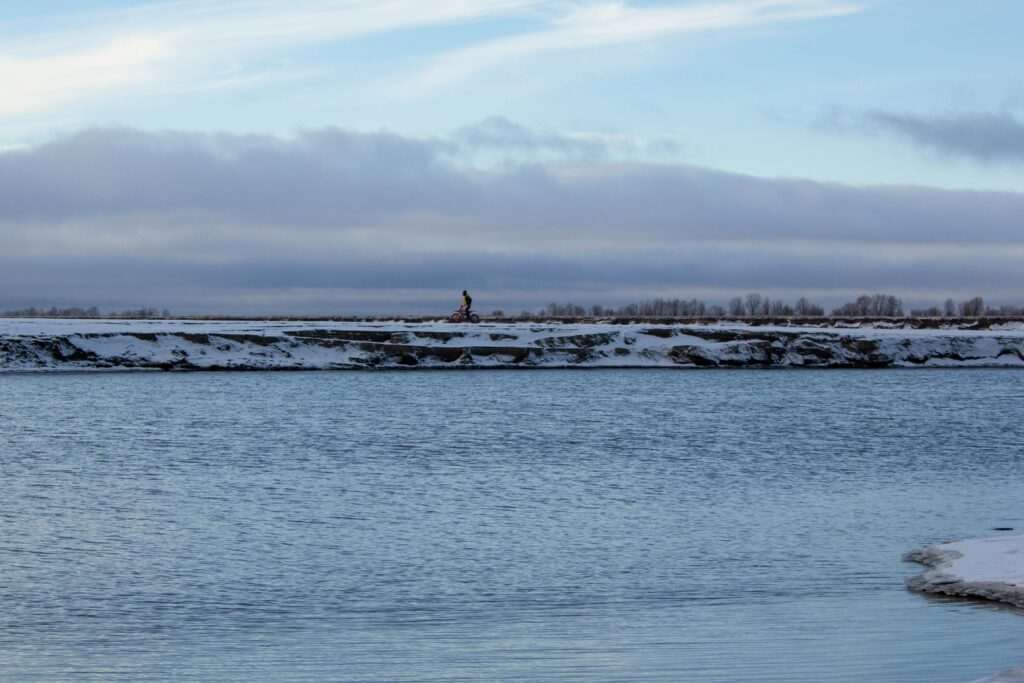
Fat tire biking is one of our favorite ways to enjoy Anchorage after a fresh snowfall. You still get the quiet woods, the mountain views, and that satisfying winter-workout glow, but without needing lift tickets or downhill gear. The best part is that Anchorage makes this sport approachable. We have groomed multi-use trails, long scenic corridors, and enough local know-how that even first-timers can put together a solid half day on the snow.
If you want the short version, start with the reliable classics. Tony Knowles Coastal Trail is the easiest gateway ride, Kincaid is where many locals go when they want more mileage and better flow, and Hillside is where you head when you want a little more singletrack personality. Add a warm breakfast at Snow City Cafe before you roll or a recovery stop at Alaska Rock Gym if the weather turns, and you have a very Anchorage winter day.
Why Anchorage Is So Good for Fat Biking
Anchorage has the rare combination that winter riders are always looking for: real snow, maintained trail systems, and easy access from town. You do not need to drive hours into the backcountry to get a memorable ride. In one day, you can grab coffee downtown, pedal through coastal forest, and still be back in time for dinner.
What makes the city especially friendly for fat biking is the amount of trail maintenance around the Nordic network. The Nordic Skiing Association of Anchorage continues to post regular trail updates for Kincaid and Hillside, and its trail page was still publishing fresh grooming notes on March 24, 2026. That matters because conditions here can change quickly with wind, temperature swings, and new snow. Around Anchorage, locals do not guess. We check conditions, then decide where to ride.
Best Fat Tire Biking Trails in Anchorage
Tony Knowles Coastal Trail for the easiest start
If you are new to fat biking in Anchorage, begin with Tony Knowles Coastal Trail. This is the ride we recommend to visitors who want scenery without a steep learning curve. The route gives you broad views, a gentle rhythm, and a good feel for how winter riding works in the city. It is also convenient from downtown, which makes logistics easy if you are renting a bike.
In winter, expect a ride that feels more like a long snowy cruise than a technical trail session. If the surface is firm, it is one of the most confidence-building places in town. If there has been fresh snow or wind drift, simply shorten the plan and treat it as a scenic out-and-back instead of a big mileage day.
Kincaid for the classic Anchorage fat bike day
Kincaid is where many local riders graduate once they want more options. The broader park and trail network give you room to tailor the ride to your energy level and snow conditions. This is also where Anchorage’s Nordic culture is most visible, so it is the place where good etiquette matters most. The current NSAA trail update page is the first stop before you head over.
On a good day, Kincaid delivers exactly what fat biking is supposed to feel like: packed snow, rolling terrain, spruce forest, and enough variety to keep the ride interesting. If you are visiting from outside Alaska, this is often the ride that sells people on winter biking for good. Afterward, warming up over something substantial at Kincaid Grill makes for a very solid local finish.
Hillside when you want more trail character
For riders who prefer a more trail-centered experience, Hillside deserves your attention. Anchorage Parks and Recreation notes that Hillside Park is part of Far North Bicentennial Park, the city’s largest park, with more than 80 miles of trails across the broader system. The municipal Service High/Hillside singletrack project is also marked complete, which is a good sign for riders looking for an established trail zone instead of just a snow-covered corridor.
Hillside can be a better fit than the coastal trail when you want a little more texture under your tires. It rewards balance, steady pacing, and a willingness to adapt if a section is softer than expected. For many locals, this is where fat biking starts to feel less like a novelty and more like a winter habit.
Where to Rent a Fat Bike
If you are not traveling with your own bike, Anchorage has workable rental options. Travel Alaska’s listing for Downtown Bicycle Rental says the shop carries 13 fat bikes, and the location is only a few blocks from the start of the Coastal Trail. That is about as convenient as it gets for visitors who want to land, layer up, and ride without overcomplicating the day.
When you book, ask about tire pressure recommendations for the day’s conditions and whether flat pedals or winter-friendly footwear are the better call. Those small details matter more on snow than they do on dry summer trails.
Local Tips for Riding Anchorage Trails in Winter
Check grooming before you leave
Do this every time, even if the weather looks stable from your hotel or neighborhood. Anchorage trail conditions can shift fast. The most useful habit is checking the latest NSAA update and any local trail reports before you commit to Kincaid or Hillside.
Respect ski grooming and shared-use expectations
This is not optional local etiquette. If a route is groomed for skiing, ride only where bikes are allowed, avoid damaging set tracks, and do not leave deep ruts in soft conditions. If the trail is too soft and your tires are trenching, turn around. That is normal here, and locals will respect that decision more than brute-force persistence.
Dress for effort, not for standing around
Most newcomers overdress on their first winter ride in Anchorage. Start cool. You will warm up quickly once you are moving, especially on climbs or softer snow. Bring a shell, dry gloves, and one extra layer for stops.
Plan your post-ride warm-up
One reason winter riding feels sustainable in Anchorage is that the city makes recovery easy. A big breakfast or early lunch at Snow City Cafe is a strong move before or after a ride, especially if you are starting downtown. If the weather closes in or you want to salvage an active day without more trail miles, Alaska Rock Gym is a dependable indoor backup.
What to Expect on Your First Ride
Your first Anchorage fat bike ride will probably feel slower than you expect, and that is fine. Snow rewards patience more than speed. Keep your pedal stroke smooth, stay seated when you can, and lower your tire pressure if the surface feels loose. Think of it less like summer mountain biking and more like learning a winter rhythm.
If you only have one shot at it, pick the trail that matches the conditions, not the trail that sounds toughest. That usually means Tony Knowles for an easy first outing, Kincaid for a fuller classic ride, and Hillside when you want something a little more technical and trail-focused.
The Bottom Line
Fat tire biking in Anchorage works because it feels both adventurous and practical. You can experience winter in a very Alaska way without needing advanced skills or a huge budget. Start with a good weather window, check the latest grooming update, ride respectfully, and let the city do the rest. Once you get a packed-snow day at Kincaid or a calm spin on the coastal trail, it makes perfect sense why so many of us keep riding all winter.




No comments yet.