
Alaska Seafood Cooking Classes & Culinary Workshops in Anchorage 2026
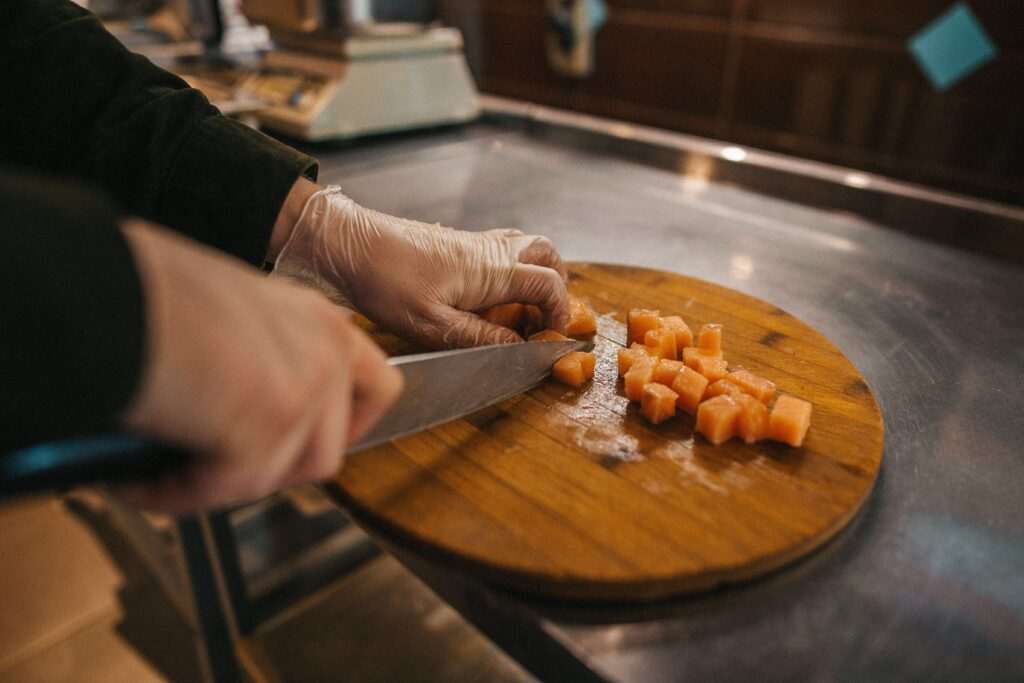
Alaska’s wild-caught salmon, halibut, king crab, and spot shrimp are among the finest seafood ingredients on the planet — and a cooking class in Anchorage puts them in your hands. Whether you want to learn proper knife technique for breaking down a whole salmon, recreate restaurant-quality halibut at home, or simply understand how to prepare Alaskan king crab without overcooking it, the culinary workshops available in and around Anchorage range from casual weekend sessions to hands-on professional kitchen experiences. Here is what is available in 2026.
Why Take a Cooking Class in Alaska
The ingredient access changes everything. Alaska’s commercial fishing season delivers fresh wild salmon, halibut, and Dungeness crab to Anchorage markets and kitchen studios from late spring through early fall. A cooking class here is built around the same fish that was in the water days earlier — not a farmed fillet that spent two weeks in transit. Alaska’s seafood-to-table supply chain is short enough that learning to cook it here carries a different weight than cooking a similar dish in the lower 48.
The cultural angle matters too. Alaska Native food traditions — subsistence fishing, fermenting, smoking, and preserving — represent thousands of years of knowledge about how to use these ingredients. Some workshops connect participants with that history through an Indigenous culinary lens, making them as educational as they are practical. The Alaska Native Heritage Center occasionally offers programming tied to traditional food preparation, worth checking when you plan your visit.
Cooking Class Venues in Anchorage
Anchorage’s cooking class scene is anchored by a handful of dedicated venues that run structured workshops alongside more informal pop-up sessions from local chefs.
Alaska Culinary Center — Midtown’s dedicated cooking studio runs weekend workshops throughout the summer and fall, focusing on Alaska proteins. Classes typically run 2–3 hours and cover knife skills, proper fish handling, seasoning technique, and full dish preparation. Class sizes stay small (8–12 participants) to allow for meaningful instruction time.
Restaurant-hosted sessions — Several Anchorage restaurants run chef-taught classes using their full professional kitchens, typically on slower weekday evenings. These are among the best ways to learn restaurant-style preparation — plating technique, timing multiple elements, and building sauces that actually work. Look for announcements from higher-end seafood-focused restaurants; they rotate their workshop calendars seasonally.
Culinary school programs — The University of Alaska Anchorage’s hospitality and culinary programs run community-access workshops throughout the academic year, some of which are open to the public at reduced rates. These lean toward technique-heavy instruction and are well suited to participants who want to build foundational cooking skills alongside the Alaska seafood content.
Alaska Seafood Workshops
Salmon butchering and preparation — These hands-on sessions cover the full process: cleaning, filleting, pin-boning, portioning, and cooking wild king or sockeye salmon using multiple methods (pan-sear, cedar plank, poaching). Instructors typically source fish from Anchorage’s commercial suppliers or from local anglers who fish Ship Creek during the king salmon runs in late May and June.
Halibut prep classes — Alaska halibut runs large (commercial fish often exceed 50 lbs), which means home preparation requires a different approach than most white fish. Workshops focused on halibut cover breaking down large fillets, dealing with thick cuts that require lower-temperature finishing, and preparing classic Alaska-style preparations: halibut tacos, halibut cheeks, and black cod preparations as a companion species.
Crab and shellfish sessions — King crab, Dungeness crab, and Alaskan spot shrimp each require different technique. Shellfish workshops cover live handling, proper steaming and boiling temperatures, cleaning whole crabs, and building simple compound butters and sauces to serve alongside. These classes tend to book up quickly in fall when the crab harvest peaks.
Wild Game, Foraging, and Sourdough
Alaska’s culinary scene extends well beyond seafood. Wild game cooking classes — covering moose, caribou, and Dall sheep — run seasonally in fall, typically after the hunting seasons open in August. These sessions address the specific challenges of game meat: managing strong flavors, proper aging, and choosing cooking methods that work with leaner proteins.
Foraging and edible plants workshops have grown significantly in Anchorage over the past few years. The Alaska Botanical Garden runs guided foraging walks that pair plant identification with culinary instruction — learning which wild berries, mushrooms, and greens are safe to harvest and how to prepare them. Sessions typically run from June through September when the plant diversity peaks.
Sourdough baking has deep Alaska roots — early prospectors and homesteaders used perpetual sourdough starters as a year-round leavening method, and the tradition persists today. Several Anchorage bakeries and cooking studios run sourdough workshops covering starter care, bread shaping, and high-hydration loaves. These are popular team-building sessions because they’re hands-on from start to finish.
Corporate and Group Cooking Events
Team-building cooking classes have become one of Anchorage’s more popular corporate event options, particularly for groups visiting for conferences or incentive travel. A 3-hour group cooking session built around Alaska king crab or wild salmon creates the kind of shared activity that works well for 10 to 40 participants. Venues that run these corporate sessions typically offer full kitchen access, all ingredients, and an instructor, with a catered meal from what the group prepared at the end.
Groups visiting for the Anchorage Market & Festival weekends in summer often pair a morning market visit — selecting fresh ingredients from local vendors — with an afternoon cooking session, which makes for a compelling full-day experience.
Where to Buy Fresh Catch
If you want to practice what you learn in class at your rental kitchen or vacation accommodation, Anchorage has reliable sources for fresh Alaska seafood.
- 10th & M Seafoods — A longtime Anchorage fish processor and retail operation that sells fresh and flash-frozen Alaska salmon, halibut, and crab directly to the public. Open through the summer season.
- New Sagaya City Market — Anchorage’s top specialty food market with a strong Alaska seafood section. Quality peaks in summer; ask for fresh (not previously frozen) fish when the season is active. Carrs and Fred Meyer carry everyday grocery-level Alaska seafood year-round.
- Anchorage farmers markets — The Spenard Farmers Market and South Anchorage Farmers Market both run Saturday morning sessions through the summer and are reliable sources for local produce, fresh-caught fish from vendors, and Alaska-made specialty foods — the same raw ingredients that stock many Anchorage cooking class kitchens.
- Anchorage restaurants — Crimson Restaurant in downtown Anchorage is one of the city’s more refined dining destinations, with a menu that showcases Alaska proteins using a modern culinary approach. Dining out before or after a cooking class gives you a useful benchmark for what skilled preparation of local ingredients can achieve.
What to Expect in an Anchorage Cooking Class
Most Anchorage cooking workshops run 2 to 3 hours with class sizes kept small — typically 8 to 12 participants — so each person gets meaningful hands-on time with the ingredients rather than watching from across a crowded kitchen. Sessions usually include all tools, ingredients, and equipment. You cook, you eat what you made, and instructors walk you through technique adjustments in real time. A few practical notes for first-timers: wear clothes you don’t mind getting fish on, bring a container if you want to take leftovers home, and book early for peak summer sessions — the July and August slots fill up weeks in advance.
Seasonal Timing
The best window for seafood-focused cooking classes aligns directly with Alaska’s fishing seasons. King salmon runs in the Kenai and Susitna river systems peak in late May and June. Sockeye salmon — the most versatile of the five Pacific salmon species for home cooking — runs July through August. Halibut fishing peaks through the summer. Dungeness crab and spot shrimp are most available in summer and early fall.
If your goal is to cook with the freshest possible ingredients, plan your visit between June and September. Many Anchorage cooking studios plan their Alaska seafood workshop calendars around these windows, with the highest concentration of classes running during peak tourist season from mid-June through early August.


No comments yet.