
Chena Hot Springs Resort 2026: Alaska’s Year-Round Escape Near Fairbanks
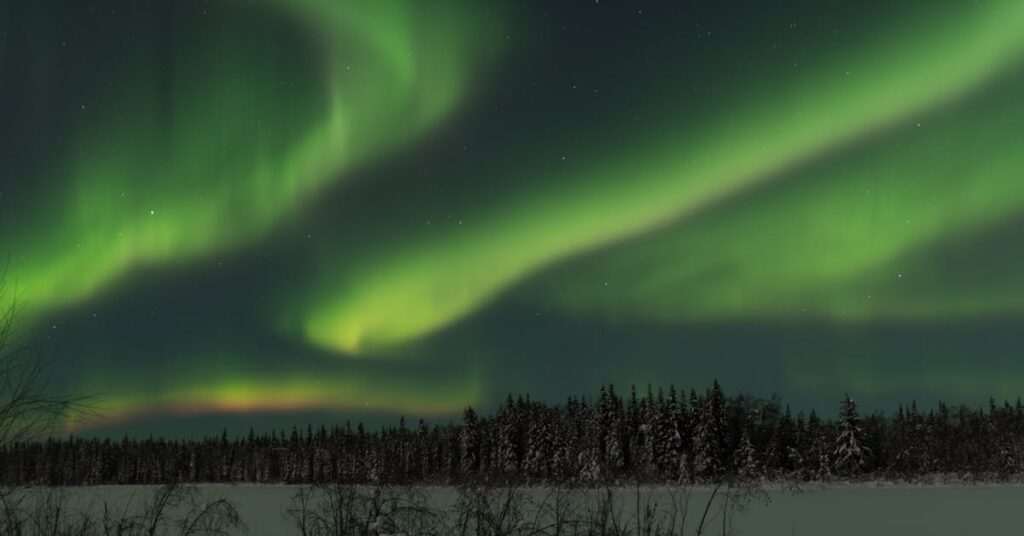
Sixty miles east of Fairbanks, a geothermal spring feeds an outdoor rock lake that stays open at temperatures of -40°F. On winter nights, guests soak in steaming 106°F water while curtains of green and violet aurora shimmer directly overhead. In summer, the same resort hosts ATV tours, gold panning, and canoeing on the Chena River. Chena Hot Springs Resort is one of Alaska’s most versatile and genuinely extraordinary destinations — and it’s reachable in a day from Anchorage.
The Hot Springs: Open Every Day, Every Season
The resort’s signature feature is its outdoor rock lake — a natural geothermal pool kept at a consistent 106°F year-round by the volcanic activity beneath the Chena River valley. Unlike man-made hot tubs, the rock lake is set into the hillside and feels genuinely wild: irregular edges, steam rising into cold air, surrounded by spruce forest. Swimming to the edge in January while snow falls around you is the kind of experience that reframes what Alaska travel can be.
The resort also maintains indoor pools at varying temperatures for those who prefer calmer conditions. The outdoor rock lake, however, is the draw — particularly at night in winter when the combination of hot water, cold air, and aurora overhead creates an atmosphere that photographs can’t fully capture.
Northern Lights Viewing: One of Alaska’s Best Locations
Chena Hot Springs sits at approximately 65 degrees north latitude — well within the auroral oval where geomagnetic activity produces the strongest and most frequent displays. The resort’s distance from Fairbanks city lights means dark skies on clear nights, and the surrounding boreal forest provides dramatic foreground for photography. Peak aurora season runs from September through March, with the equinox periods statistically the most active for geomagnetic storms.
The resort operates a northern lights alert system that wakes guests when a strong display begins — a service worth every penny at 2 a.m. in January. Combine the alert with a five-minute walk to the rock lake and you have one of the most iconic experiences in Alaska travel: floating in geothermal water, watching the aurora move overhead.
Aurora Ice Museum
One of the most unusual attractions in Interior Alaska sits year-round inside a maintained freezer building on the resort grounds. The Aurora Ice Museum houses large-scale ice sculptures created by world-class competitive carvers — detailed figures, chandeliers, a full ice bar, and architectural installations maintained at a constant 20°F regardless of the season outside. In summer, visiting the museum offers a genuinely surreal experience: stepping from 70°F afternoon sunshine into a frozen gallery of art.
Admission to the museum is separate from the hot springs fee. The ice bar serves cocktails in hand-carved ice glasses. Allow 30 to 45 minutes for a thorough walk-through.
Winter Activities
Chena Hot Springs in winter is a full activity resort, not just a soaking destination. The surrounding boreal forest and frozen river provide the terrain for a range of adventures:
- Dog mushing tours: One of the most authentic Interior Alaska experiences; the resort maintains a kennel and offers guided runs through the spruce forest.
- Snowmobile rentals: Guided tours and rental units for exploring the backcountry trails around the resort.
- Snowshoeing: Marked trails through old-growth spruce; the silence of the winter forest is extraordinary.
- Ice fishing: The Chena River and surrounding lakes offer burbot, northern pike, and Arctic grayling through the ice.
- Fat biking: Groomed trails accessible on wide-tire winter bikes for guests who want something more active than a soak.
Summer Activities
Summer at Chena Hot Springs trades aurora for midnight sun — and swaps snowmobiles for a different set of adventures. The long daylight hours (up to 22 hours in late June) mean activities run late into the evening without ever getting dark.
- ATV tours: Guided rides through the surrounding wilderness on trails that double as snowmobile routes in winter.
- Horseback riding: Trail rides through the Chena River valley with mountain and forest scenery.
- Canoeing and kayaking: The Chena River runs alongside the resort property; paddle rentals available.
- Gold panning: A nod to the region’s gold rush history; guided panning sessions are popular with families.
- Hiking: Trails ranging from easy riverside walks to longer backcountry routes in the surrounding hills.
Geothermal Energy: A Sustainable Resort
Chena Hot Springs has developed one of the world’s most successful small-scale geothermal power systems. The resort generates the majority of its electricity from the same geothermal resource that heats the pools — a pioneering installation that has attracted energy researchers from around the world and serves as a model for remote community power in Alaska and beyond. Guided tours of the geothermal plant are available for guests interested in the technology.
Where to Stay
Accommodation ranges from standard resort rooms in the main lodge to private cabins scattered through the property. The cabins offer more privacy and, in winter, a more immersive sense of being in the Alaska wilderness — wake up, pull back the curtain, and check the sky for aurora before deciding whether to head for the rock lake at 3 a.m. An RV park is also available for self-contained travelers. Book well in advance for winter weekends, which sell out months ahead.
Getting There from Anchorage
Chena Hot Springs is 60 miles east of Fairbanks on Chena Hot Springs Road — a paved, well-maintained route through the Chena River State Recreation Area. From Anchorage, the practical approach is a short Alaska Airlines flight to Fairbanks (approximately one hour), then a car rental for the 60-mile drive. The drive itself is worthwhile: the Chena River valley is beautiful, and moose sightings along the road are common in all seasons.
For visitors building a multi-city Alaska itinerary, Fairbanks and Chena Hot Springs pair naturally with an Anchorage base. Fly up for two or three nights, combine Chena with Fairbanks attractions, then return south. If you’re adding a Denali National Park visit, Fairbanks is a natural starting or ending point for the Parks Highway route (served by the Alaska Railroad if you prefer rail to road).
Plan Your Chena Hot Springs Visit
Book directly through the Chena Hot Springs Resort website and confirm current activity schedules, pool hours, and Aurora Ice Museum admission at the time of reservation. For aurora viewing, target the window from late September through early March and build in at least two nights to improve your odds of a strong display on a clear night. If you go in summer, aim for the solstice period in late June and experience the peculiar freedom of hiking at midnight under a sun that never quite sets. Either way, Chena Hot Springs delivers the kind of Alaska experience that feels impossible until you’re actually in it.
No comments yet.