
Camping Near Anchorage 2026 — Best Campgrounds Within 2 Hours
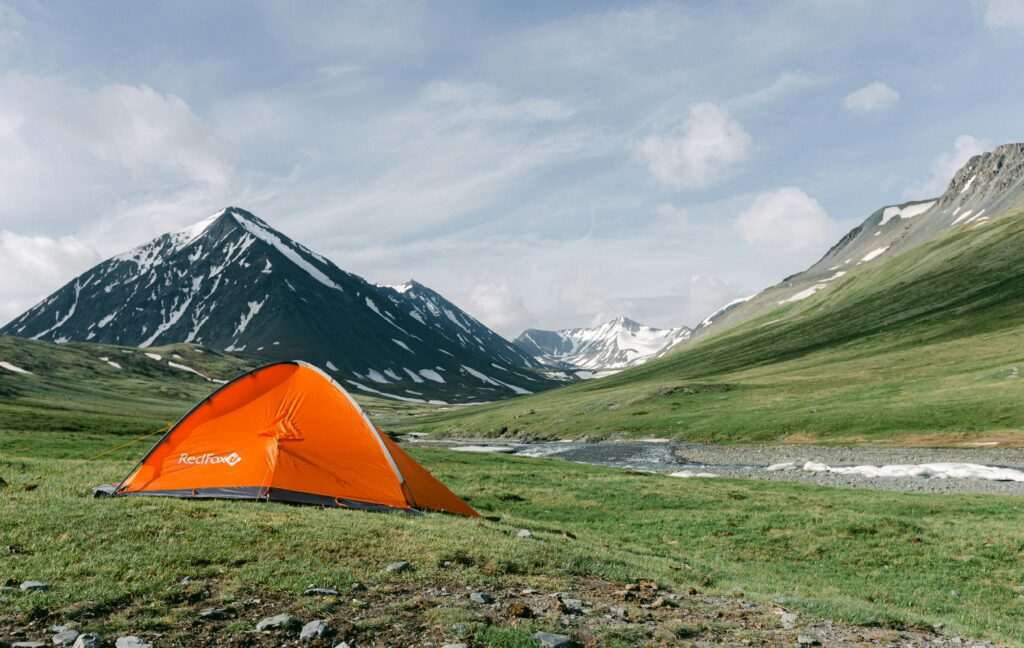
Anchorage is one of the few cities in North America where you can finish dinner downtown and be sleeping under a glacier by nightfall. The Chugach Mountains rise immediately behind the city, and within 45 minutes you’re camping at the edge of half a million acres of wilderness. Within two hours, you can reach alpine terrain, glacial lake shores, or the boreal forests of the Mat-Su Valley. Here’s where to go, what to expect, and what you’ll need.
Chugach State Park: Your Backyard Wilderness
The Chugach State Park Campgrounds include three main developed sites, all within 30–45 minutes of downtown Anchorage.
Eagle River Campground (Mile 12.6 Eagle River Road) is the most developed option, with RV hookups, tent sites, flush toilets, and direct access to the river corridor. The site puts you a short walk from the Eagle River Nature Center, which is free to visit and staffed by rangers who can brief you on current bear activity and trail conditions. It’s one of the best campground setups in Southcentral Alaska — developed enough to be comfortable, wild enough to feel like genuine Alaska.
Bird Creek Campground sits at Mile 101 of the Seward Highway, roughly 26 miles south of Anchorage along Turnagain Arm. Tent and RV sites perch above a dramatic tidal inlet where beluga whales appear periodically. The campground’s position on Turnagain Arm makes for spectacular scenery — the inlet is lined by the Chugach peaks on one side and the Kenai Mountains on the other, and sunset light across the water in midsummer is extraordinary. Bird Creek also has a salmon run in season; watch anglers working the creek from your campsite. Book early — sites fill on summer weekends.
Eklutna Lake Campground is about 30 miles northeast of Anchorage via the Glenn Highway and a short access road. The campground sits at the base of Eklutna Lake, the longest lake in Chugach State Park and Anchorage’s main municipal water supply. Hiking trails fan out from the campground — the Lakeside Trail runs 14 miles along the shore — and mountain biking and paddleboarding are popular in summer. It’s a quieter option than Eagle River or Bird Creek, with fewer crowds and a more remote feel despite being close to the highway. RV sites with hookups are available.
Turnagain Arm Corridor
The Seward Highway south of Anchorage offers dispersed camping on public lands managed by Chugach National Forest. These aren’t formal campgrounds — they’re unmarked pull-outs on gravel benches, usually above the tree line, with fire rings left by previous campers. No hookups, no fee, no reservations. You’re camping in genuine wilderness with minimal facilities.
The turnouts between Milepost 90 and 70 (the Turnagain Pass area) put you in alpine terrain within 90 minutes of Anchorage. Snow can persist through June at the higher elevations; plan your timing accordingly. The area also offers exceptional wildflower displays in late June and early July, and the Dall sheep are often visible on the ridge faces above the highway.
Mat-Su Valley: Within Two Hours North
If you’re heading toward Denali or want a quieter basecamp than the Chugach corridors, the Mat-Su Valley has strong options.
Nancy Lake State Recreation Area, about 100 miles north on the Parks Highway, is known for canoe camping. The Lynx Lake Canoe Loop connects a series of wilderness lakes via short portages — a 14-mile loop with 13 designated campsites accessible only by canoe. It’s one of the most distinctive camping experiences within striking distance of Anchorage and rarely feels crowded. Canoe rentals are available at the park entrance. Book sites through Alaska State Parks online.
Denali State Park (not to be confused with Denali National Park) straddles the Parks Highway about 130 miles north of Anchorage. The park offers front-country and backcountry camping with views of Denali’s south face on clear days. The Byers Lake Campground at Mile 147 of the Parks Highway has hookup and tent sites with good trail access.
What to Bring
Anchorage-area camping in summer is comfortable but demands preparation:
- Bear spray: Black bears are common around all developed campgrounds in the Chugach. Brown bears (grizzlies) are present near Eagle River and in Eklutna Valley. Carry spray on your hip whenever you’re outside your vehicle.
- Rain gear: Southcentral Alaska weather is famously changeable. A waterproof jacket and rain pants are non-negotiable, even in July.
- Layers: Even in midsummer, temperatures drop below 50°F at night. A 30°F sleeping bag is appropriate for most Anchorage-area campgrounds.
- Bug protection: Mosquitoes peak from mid-June through July. A head net and permethrin-treated clothing are worth packing for any backcountry or lakeshore site.
- Bear canister or bear box: Most developed campgrounds have bear boxes at each site. For dispersed camping, bring a certified bear canister. Storing food in your tent is how incidents happen.
Reservations and Fees
Most Chugach State Park developed campgrounds accept reservations through the Alaska State Parks reservation system. The Eagle River and Eklutna Lake sites book quickly on summer weekends — plan at least 2–4 weeks ahead for July and August. A limited number of first-come sites are available walk-up at each location. Nightly fees run approximately $15–$30 depending on hookup type. Backcountry camping in Chugach State Park is free and requires no permits. For route options before and after your stay, the Chugach State Park Trail Systems guide has maps for every major corridor in the park.
Do I need permits to camp in Chugach State Park?
No — backcountry camping in Chugach State Park is free and requires no permits. You can camp anywhere outside designated developed campground areas. Developed campgrounds charge a nightly fee ($15–$30) and can be reserved through the Alaska State Parks online system.
Are campfires allowed near Anchorage?
Yes, campfires are allowed at designated fire rings in Chugach State Park campgrounds. Dispersed camping on public lands along the Seward Highway also allows fires in established rings. During dry spells, fire bans may be issued — check with Alaska State Parks or the Chugach National Forest before you go, especially in July and August.
Featured photo by Kirill Lazarev on Pexels.



No comments yet.