
Birdwatching in Anchorage 2026: Best Spots, Species & Migration Guide
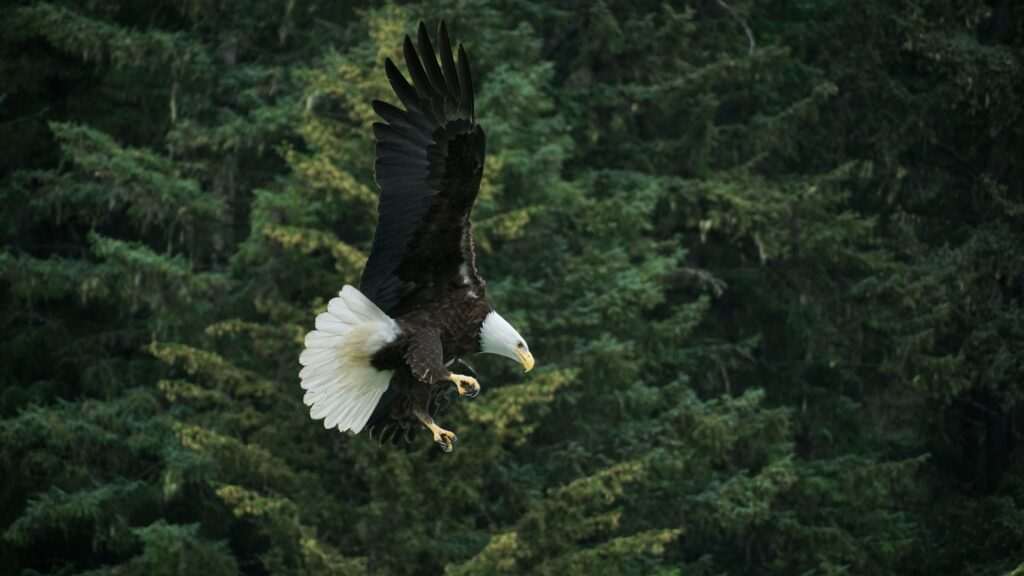
Anchorage doesn’t appear on most birders’ destination lists, and that’s a mistake worth correcting. The city sits at a major convergence point on the Pacific Flyway — the great north-south migration corridor that funnels hundreds of millions of birds between their Arctic breeding grounds and their winter ranges in Central and South America. In spring and fall, this convergence floods the mudflats and wetlands around Anchorage with shorebirds and waterfowl in numbers that rival any birding hotspot in North America. Year-round, the city’s parks host bald eagles, boreal forest species, and an accessible range of Alaska’s resident birds within minutes of downtown. For birders who haven’t considered Anchorage, this guide is the argument to reconsider.
Potter Marsh: Alaska’s Most Birded Site
The Potter Marsh Bird Sanctuary, located 10 miles south of downtown along the Seward Highway, is consistently the most-visited and most-productive birding site in Alaska. A boardwalk extends 1,500 feet over the marsh, providing elevated viewing above the sedge meadows and open water where shorebirds, waterfowl, wading birds, and rails congregate during migration and breeding season. Trumpeter swans nest here reliably; Arctic terns hunt the shallows through summer; sandhill cranes stage in the marsh during fall migration. The marsh also produces excellent passerine diversity in spring, with yellow warblers, orange-crowned warblers, and Wilson’s snipe among the reliable breeding species. Potter Marsh is the first stop on any serious Anchorage birding day, and the boardwalk makes it accessible for birders of any mobility level. No entry fee; the parking area fills early on peak migration weekends.
Westchester Lagoon: Swans, Ducks, and Eagles
Westchester Lagoon, just west of Midtown Anchorage, is the most convenient birding site in the city — accessible by bike or foot from downtown and productive year-round. Trumpeter swans winter here when the water stays open, and the lagoon holds a resident pair through the spring nesting season. Diving ducks including buffleheads, common goldeneyes, and lesser scaup concentrate on the open water in fall and winter. Bald eagles are present throughout the year, perched in the cottonwoods around the perimeter or quartering low over the water. The paved path around the lagoon provides good sight angles across the water surface, and the proximity to residential neighborhoods means the birds are accustomed to human presence — approach distances that would flush birds elsewhere are often manageable here. In winter the lagoon freezes and becomes a skating area; birding focus shifts to the open water at the inlet channel and to the surrounding willows for redpolls and other irruptive winter finches.
Point Woronzof: Shorebird Migration and the Bonus Belugas
Point Woronzof, accessible from the west end of the Tony Knowles Coastal Trail near the Anchorage airport, provides the best shorebird viewing on the Cook Inlet mudflats — the vast exposed tidal flats that are among the most important staging areas on the Pacific Flyway. During peak migration (late April to mid-May, then again July through early September), the flats hold western sandpipers in the hundreds of thousands along with dunlins, least sandpipers, semipalmated plovers, and whimbrels. The timing of your visit relative to the tide is critical: approach on a rising tide as birds are pushed toward the trail, and plan to be at the point when high tide concentrates birds on the upper beach. Point Woronzof also provides regular sightings of beluga whales in Cook Inlet — the Cook Inlet beluga population is small and distinct, and the point is one of the most reliable land-based viewing spots for this endangered population.
Tony Knowles Coastal Trail: Year-Round Flyway Access
The 11-mile Tony Knowles Coastal Trail from downtown Anchorage to Kincaid Park runs alongside Cook Inlet and provides sustained access to the coastal habitat that makes the city productive for birds. In spring and fall, the trail corridor channels migrating passerines through its willow and alder scrub — warblers, sparrows, and thrushes move through in waves during May. In winter, the trail is the primary Anchorage site for irruptive species from further north: snowy owls, rough-legged hawks, and short-eared owls occasionally appear along the coastal bluff, driven south by prey cycles in the Arctic. The coastal trail connects Potter Marsh, Westchester Lagoon, Point Woronzof, and Kincaid Park — birding the full length of the trail in a single day with a vehicle shuttle at each end produces a comprehensive survey of Anchorage’s coastal avifauna.
Eklutna Flats: Spring and Fall Shorebird Staging
The Eklutna Flats — the river delta and mudflat complex where the Eklutna River enters Knik Arm, approximately 25 miles northeast of Anchorage on the Glenn Highway — is a less-visited but highly productive shorebird site during the spring and fall migrations. The shallow water and exposed sediment attract large concentrations of western sandpipers, dunlins, and occasional rarities pushed off course by weather. The site requires timing to the tide and is most accessible during low to mid tide when birds are on the exposed flats. Eklutna Flats is the type of site that rewards birders who invest in learning the tide schedule and are willing to trade the infrastructure of Potter Marsh for fewer observers and a rawer wetland environment. The Glenn Highway pullouts provide viewing access without requiring off-trail walking.
Key Species by Season
Spring (April–May): Western sandpiper migration peaks in late April to mid-May — the most numerically impressive event in Anchorage birding, with tens of thousands of birds moving through on a single tide. Sandhill cranes pass through in flocks. Arctic terns arrive in mid-May from their remarkable Antarctic wintering grounds. Yellow warblers, Swainson’s thrushes, and fox sparrows establish breeding territories. Trumpeter swans begin nesting at Potter Marsh and Westchester Lagoon.
Summer (June–August): Breeding season brings full activity to the marsh and forest habitats. Boreal forest species — Steller’s jays, varied thrushes, black-capped and boreal chickadees, red-breasted nuthatches — are reliably present in Chugach State Park and the city’s forested parks. Bald eagles are visible throughout the city from perches and in flight. Shorebird southward migration begins in July as failed and early-breeding birds head back — the July–August window is sometimes called the “reverse migration” and produces the full diversity of the Flyway’s breeding shorebirds before they reach peak numbers in spring.
Fall (September–October): Sandhill cranes stage in flocks at Potter Marsh before continuing south. Waterfowl diversity peaks as birds concentrate on open water ahead of freeze-up. The first irruptive species begin appearing from the north — rough-legged hawks and short-eared owls are early arrivals.
Winter (November–March): The diversity drops significantly but the dedicated birder finds rewards. Common redpolls and hoary redpolls move through in flocks. Snowy owl irruptions (cyclically tied to lemming population crashes in the Arctic) bring one of the most spectacular birding events in the region — in peak years, multiple snowy owls are visible in open areas near the coast and airport. Bohemian waxwings strip mountain ash berries in city neighborhoods. Bald eagles remain year-round, concentrated where open water persists.
Gear and Resources
Binoculars in the 8×42 or 10×42 configuration are the minimum requirement; a spotting scope is valuable for scanning distant mudflats at Eklutna Flats and Point Woronzof. The eBird app (free, from Cornell Lab of Ornithology) is the essential planning resource — its hotspot pages for Potter Marsh, Westchester Lagoon, and Point Woronzof contain species lists, recent sightings, and seasonal bar charts that identify peak windows for target species. Download the Anchorage area hotspot maps before your trip. Sibley’s Birds of Alaska or the National Geographic Alaska field guide covers the regional species well; the Sibley’s Birds West app covers all Pacific Flyway species with range maps. The Alaska Wildlife Conservation Center outside Portage is not a birding site per se, but its managed habitat occasionally produces good owl and raptor viewing and provides wildlife context that complements the birding experience.
Birding Etiquette and Seasonal Access
Potter Marsh boardwalk closes in winter when ice makes it unsafe; the marsh is typically accessible from May through October. The Eklutna Flats area involves pulling off the Glenn Highway — use established pullouts only and be aware of traffic. At Point Woronzof, stay on the trail; the coastal bluff is actively eroding and off-trail walking accelerates damage. When photographing or observing nesting birds, maintain distance that doesn’t cause flushing or distress behavior — at Potter Marsh, nesting trumpeter swans in particular should be observed from the boardwalk railing without approach to the water’s edge. Log your sightings to eBird; the data directly supports shorebird conservation research across the Pacific Flyway.
Guided Birding Tours
Naturalist guides operating in the Anchorage area offer birding-specific tours, particularly around peak migration windows. Local Audubon Society chapters periodically organize field trips open to visiting birders — check the Alaska Audubon website for current programming. For visitors new to the region’s species, a half-day guided tour with a local naturalist efficiently covers the major sites and provides identification help for the mix of shorebirds and waterfowl that can challenge birders whose experience is primarily with lower-48 species. Tour operators with naturalist-qualified guides are the most reliable option; ask specifically about shorebird identification experience before booking a migration-season tour.
Featured photo by Stephen Meyers on Pexels.

No comments yet.