
10 Best Hikes Near Anchorage for Every Skill Level
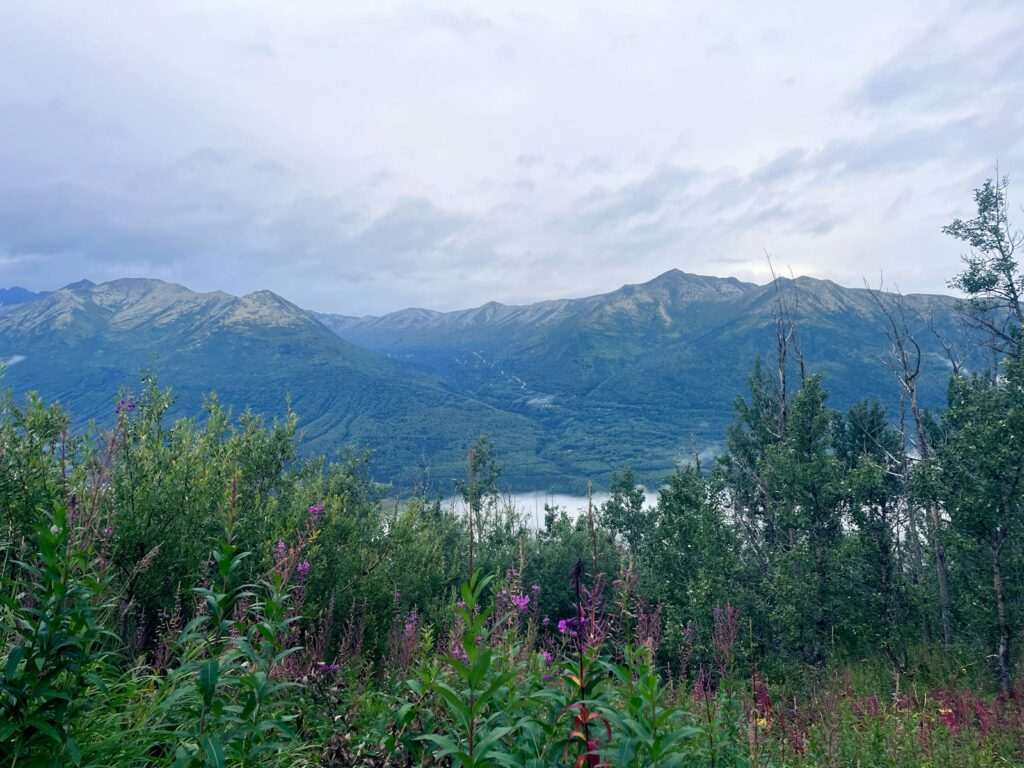
If you want the best hikes near Anchorage, the real trick is matching the trail to the day. Around here, an “easy” walk can still mean roots, mud, moose, and a parking lot that fills earlier than you think. A harder route might reward you with Turnagain Arm views, alpine lakes, or a summit that makes the whole city look tiny. That range is exactly why Anchorage works so well for hikers.
This guide rounds up our favorite Anchorage hiking trails for every skill level, from stroller-friendly viewpoints and mellow creekside walks to leg-burning classics like Wolverine, Bird Ridge, and Crow Pass. We have included the local details visitors usually learn the slow way: where to start early, which hikes feel muddier in June, what gets busier in August, and when it is smarter to bring bear spray, trekking poles, or both.
10 Best Hikes Near Anchorage for Every Skill Level
1. Anchorage Overlook Trail
Difficulty: Easy. Why locals love it: It is the quickest way to get a big Anchorage payoff without committing to a full climb.
Starting from Glen Alps, the Anchorage Overlook Trail is a short loop with wide-open views over the city, Cook Inlet, and, on a clear day, the Alaska Range. Alaska State Parks lists it as a quarter-mile accessible loop, which makes it one of the best “first hike in Anchorage” options when you have out-of-town family, limited time, or a mixed-ability group.
Local tip: hit this one late in the evening for summer light, or use it as your warm-up before bigger hillside routes. On windy days, it can feel much colder than downtown, so layers matter even for a short stroll.
2. Campbell Creek Trail and Campbell Creek Science Center
Difficulty: Easy. Why locals love it: It feels woodsy and relaxed without requiring a full Chugach commitment.
The Campbell Creek corridor is one of our best easy hikes in Anchorage when you want forest, water, and a realistic chance of seeing salmon habitat without driving far. The broader Campbell Creek Trail follows the watershed for roughly seven miles between Tudor and Dimond, but most locals break it into shorter out-and-backs or pair it with a visit to the Campbell Creek Science Center and nearby Far North Bicentennial connectors.
This is a smart choice for families, visitors adjusting to Alaska terrain, or anyone who wants to stretch their legs after a flight. June can be damp and buggy in the shaded sections. By August, the trail is usually at its nicest, though you still want to stay aware of moose, bikes, and slick roots after rain.
3. Alaska Botanical Garden and Far North Bicentennial Park Trails
Difficulty: Easy to easy-moderate. Why locals love it: You can keep it gentle or turn it into a longer ramble through one of Anchorage’s biggest urban wildlands.
If somebody in your group wants more scenery than mileage, this is one of the best hikes near Anchorage to keep in your back pocket. The garden paths at Alaska Botanical Garden are approachable and beautiful in peak summer, and they connect naturally with the broader trail web in Far North Bicentennial Park.
Locals use this area when we want options. You can stay on mellow paths, wander into the woods for a longer loop, or make it a shoulder-season walk when higher-elevation hikes still hold patchy snow. Parking and trail junctions can feel a little more confusing than they look on a map, so this is one place where taking a screenshot of your route before you start is worth the trouble.
4. Kincaid Park
Difficulty: Easy to moderate. Why locals love it: It is the most flexible hiking zone in town, especially when you want mileage without major elevation.
Kincaid is better known to some people for skiing and biking, but it is also one of the most dependable places for Anchorage hiking trails that suit nearly everyone. Municipal trail information notes about 60 kilometers of interwoven trails in the park, with frequent overlooks toward Cook Inlet, Denali on clear days, and some of the best sunsets in the city.
This is where locals go when the mountains are socked in, avalanche conditions are questionable in spring, or the group cannot agree on distance. The tradeoff is that it is easy to underestimate how big the park is. Pick a loop before you start. If you just want a relaxed outing, keep it simple and stay closer to the Outdoor Center and bluff viewpoints.
5. South Fork Valley Trail
Difficulty: Easy to moderate. Why locals love it: It gives you a huge mountain feel without the same steep punishment as Anchorage’s headline climbs.
South Fork is one of the best hikes near Anchorage for people ready to leave urban trails behind but not interested in scrambling. Alaska State Parks describes it as about six miles one way to Symphony and Eagle Lakes, with only modest elevation gain compared with many Chugach routes. That makes it a strong intermediate step between city paths and summit objectives.
What you get is classic Eagle River country: broad valley views, wetlands, boardwalk, and a dramatic alpine basin at the end. In early summer, expect wet spots and lingering softness. Later in August, the hike feels more stable underfoot, but that is also when you want to stay especially alert for bears in berry season.
6. Flattop Mountain
Difficulty: Moderate to difficult. Why locals love it: It is the Anchorage classic for a reason.
No list of the best hikes near Anchorage is complete without Flattop. Alaska State Parks calls it the most often climbed peak in Alaska, and that tracks with what the parking lot looks like on a sunny summer evening. The route is only about 1.5 miles each way from Glen Alps, but that short mileage fools people. The climb gains roughly 1,300 feet and finishes with some real scrambling near the top.
Locals know three things about Flattop. First, go early or late if you want parking and breathing room. Second, this is not the hike for brand-new sneakers on a wet day. Third, June often means a mix of mud and lingering snow patches near the upper section, while late July and August usually give you better footing but more people. If you want a shorter day after the climb, grab food in town and call it a win.
7. Rabbit Lake Trail
Difficulty: Moderate. Why locals love it: It feels like a real backcountry outing while still being realistic as a long day hike.
Rabbit Lake is one of the sweetest spots on the Anchorage hillside when you want scenery without committing to an all-out summit push. Alaska State Parks lists the trail at about 4.4 miles to the lake from Canyon Road, and the route opens up quickly into broad views of Rabbit Creek Valley before settling into an alpine finish at the water.
This is one of those hikes where June and August feel very different. In June, the surrounding slopes can still hold snow and runoff, so waterproof footwear helps. In August, the trail is usually more straightforward, but the brushy early section can feel warm and buggy if you start too late. Bring extra water. The hillside sun can be stronger than visitors expect.
8. Wolverine Peak
Difficulty: Hard. Why locals love it: The views are outrageous, and the effort feels earned.
Wolverine is the hike we recommend to strong walkers who want a true Anchorage leg day. The official trail guide puts the route at roughly 4.7 to 5.2 miles one way depending on the access description, with more than 3,300 feet of climbing from Prospect Heights. Translation: this is not a casual add-on after brunch.
What you get back is one of the best viewpoint hikes in the Anchorage area, with big looks over Cook Inlet, the city, and the alpine basins around Williwaw. If the weather is unstable, skip it. The trail is exposed, the climb is sustained, and tired knees feel every bit of the descent. Trekking poles help more here than on almost any hike on this list.
9. Bird Ridge Trail
Difficulty: Hard. Why locals love it: It is fast access to serious elevation and some of the best Turnagain Arm views around.
Bird Ridge is one of the first routes to melt out in spring, which helps explain its loyal following. Alaska State Parks lists about 1.5 miles to the ridge crest, but the trail gains roughly 2,500 feet in that short distance. It is steep, direct, windy, and fully honest about all of it.
This is a good hike for strong hikers who want a shorter outing with a big reward. It is not a good hike for anyone still figuring out whether they like steep terrain. On hot afternoons, the exposed climb can feel relentless. Start earlier than you think. If you are lucky, you will catch clear views over Turnagain Arm before the wind picks up.
10. Crow Pass
Difficulty: Hard to very hard, depending on how far you go. Why locals love it: This is the hike that makes visitors understand how wild “near Anchorage” can be.
Crow Pass is a full-value Chugach classic, and it works best as either a long day hike with a turnaround point or a point-to-point for experienced hikers. Alaska State Parks lists the full traverse at more than 23 miles one way, but there are excellent shorter objectives from either side. If you start from Girdwood, pairing the day with a stop at Crow Creek Gold Mine makes the whole outing feel especially local.
This is also the trail on this list where honesty matters most. Snow can linger high into early summer, creek crossings and weather can change fast, and even strong hikers should be realistic about turnaround times. If you want the scenery without managing all the logistics yourself, booking a guided day with Alaska Adventure Guides or checking wider excursion options through Alaska Tours is a perfectly smart move.
Local Tips for Hiking Near Anchorage
For easy hikes in Anchorage, June can be muddier than visitors expect, especially on shaded hillside routes and valley trails with runoff. August usually brings better footing, but it also brings fuller parking lots, ripe berries, and more active bears. Around Chugach trailheads, start earlier than you think you need to. Glen Alps and Prospect Heights are not where you want to discover that everybody else had the same weather app.
Bear safety is not optional here. Make noise, keep dogs under control, and carry bear spray on anything beyond the shortest urban paths. Alaska State Parks also notes that the Eagle River Nature Center area regularly has seasonal closures tied to salmon and bear activity, so check current park notices before you build a day around that trail system.
One more parking note locals learn quickly: Alaska State Parks charges day-use fees at many trailheads, and the annual pass is not honored everywhere. The state fee page specifically notes that Eagle River Nature Center and Arctic Valley are exceptions, so check the current rules before you go.
Which Anchorage Hike Should You Do First?
If you are easing in, start with Anchorage Overlook, Campbell Creek, or the garden and Bicentennial loops. If you already hike regularly and want a signature local route, do Flattop or Rabbit Lake. If your idea of fun is sustained climbing and big exposure, make time for Wolverine, Bird Ridge, or a carefully planned Crow Pass day.
The best hikes near Anchorage are not just the biggest or hardest ones. They are the trails that fit the weather, your group, and the amount of energy you actually have that day. Around here, choosing the right hike is part of hiking like a local.
Featured photo by Brianna Marble on Unsplash.