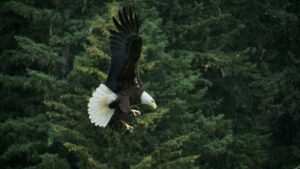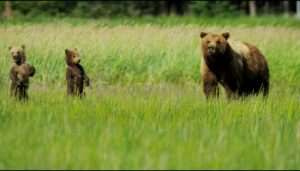
Best Anchorage Trails for Summer Wildlife Viewing
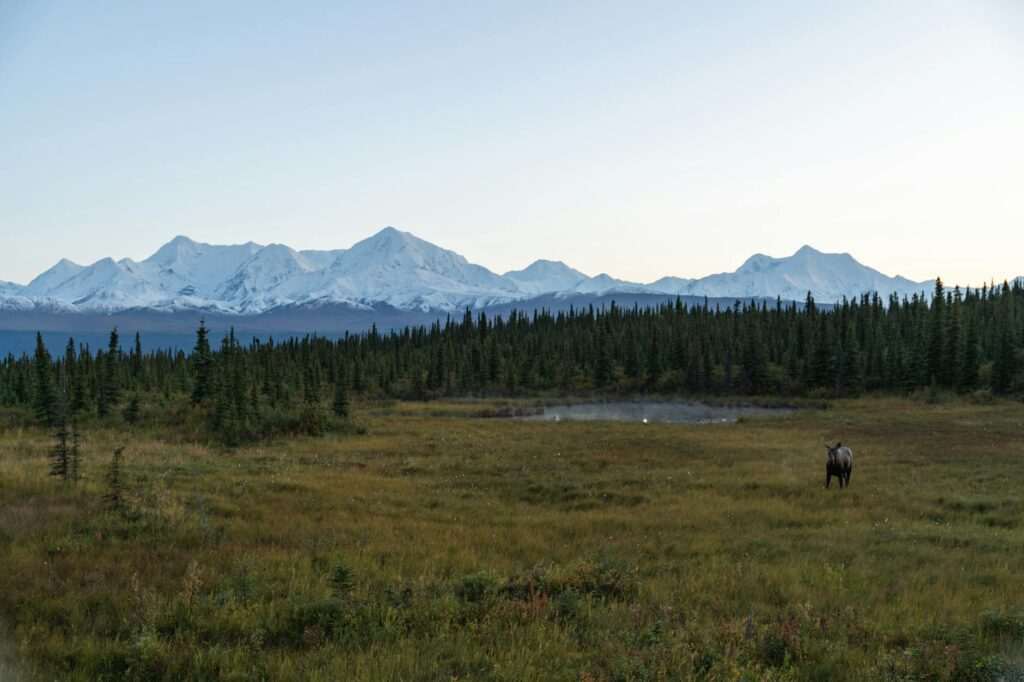
If your summer goal is spotting moose, migratory birds, salmon, or even the occasional bald eagle, the best Anchorage trail is not always the hardest one. Around here, wildlife shows up where food, water, and low-stress habitat line up, which means marsh boardwalks, creek corridors, and long greenbelt trails often beat a lung-busting summit if sightings are your priority. The smart play is to hike early or late, keep your pace easy, and choose trails that let you spend more time scanning than grinding uphill.
This guide is for hikers who want that balance: real Anchorage scenery, manageable summer routes, and better odds of seeing wildlife without booking a formal tour. If you are building out a broader list of outdoor adventures or planning your core summer activities, these are the local trails I would put at the top of the shortlist.
What makes a trail good for wildlife viewing?
In Anchorage, wildlife-focused hiking is less about summit bragging rights and more about habitat. Wetlands attract waterfowl and moose. Creek corridors draw salmon, gulls, and eagles later in the summer. Forest edges and brushy greenbelts create the kind of cover moose like to use when the day is quiet. That is why a place like Potter Marsh Bird Sanctuary can outperform a steeper mountain trail if your real objective is seeing animals, not just counting miles.
The other local rule is timing. Early morning and late evening are usually best for sightings and for avoiding the heavier foot traffic that pushes animals farther off the trail. Bring binoculars if you have them, keep your phone in your pocket more than your hand, and move slower than you think you need to. Most visitors miss wildlife here because they are hiking for speed instead of paying attention.
1. Potter Marsh for the best overall wildlife odds
If I only had one recommendation for a summer wildlife walk in Anchorage, it would be Potter Marsh. The boardwalk is short, accessible, and loaded with habitat. State interpretive material notes that Potter Marsh supports some of the highest concentrations of breeding waterfowl in Anchorage, plus regular shorebirds, songbirds, bald eagles, and moose. In practical terms, that means this is one of the few places where even first-time visitors have a realistic shot at seeing something memorable without hiking far.
Go slowly and look beyond the obvious open water. In midsummer, scan the ponds and reed edges for ducks and shorebirds, then check the shrubby margins for moose movement. Later in the season, salmon activity in nearby creeks can pull in bigger wildlife too. If you want more ideas after this stop, our existing guide to wildlife viewing in Anchorage pairs nicely with a Potter Marsh outing.
2. Tony Knowles Coastal Trail for moose with easy mileage
Tony Knowles Coastal Trail is one of the easiest places in town to combine straightforward walking with legitimate wildlife potential. The full route stretches about 11 miles, but you do not need to do the whole thing. Pick a simple out-and-back segment and focus on the quieter stretches, especially past the airport side of the trail where moose are commonly seen along the brushier margins.
This trail works well because it gives you a lot of edge habitat without demanding technical hiking. On a clear day, you also get Cook Inlet, mountain views, and the kind of long open sightlines that help you notice movement sooner. If you do not have your own bike or want to cover more ground without rushing, Downtown Bicycle Rental, Sales and Repair can turn the Coastal Trail into an easy half-day wildlife mission.
3. Ship Creek Trail for late-summer salmon action and birdlife
Ship Creek is not what most visitors picture when they imagine Alaska wildlife hiking, which is exactly why it is easy to underestimate. Ship Creek Trail gives you an urban creek corridor where late-summer salmon activity can create surprisingly good viewing conditions for gulls, eagles, and the whole ecosystem that gathers around a fish run. If you like the idea of seeing wildlife without leaving the city grid completely, this is one of Anchorage’s most practical options.
It is also a strong choice for travelers staying downtown or anyone building a flexible half-day plan. You can pair the walk with time at Ship Creek for salmon viewing and urban fishing context, then pivot into other nearby stops from our broader visitor’s guide coverage. The key here is seasonality: this trail gets much more interesting once fish movement picks up, so it shines later in summer more than it does in early June.
4. Rabbit Lake Trail for alpine scenery and quieter sightings
Rabbit Lake Trail is the choice when you want a more classic Southcentral Alaska hike but still want a credible wildlife angle. This is not the best trail for guaranteed sightings, but it is one of the better summer options if you want alpine scenery, open country, and fewer urban distractions. The valley, creek corridor, and higher tundra terrain create a different kind of viewing experience from Potter or the Coastal Trail. Here, the reward is often the feeling that you are sharing bigger habitat, not that you will see an animal every half mile.
Rabbit Lake is best for hikers who are comfortable with a longer outing and changing weather. It is the kind of trail where patience matters. Stop, listen, glass the hillsides, and do not expect the trail to hand wildlife to you instantly. If your group is not ready for that commitment yet, start with our roundup of beginner hiking trails near Anchorage and work up to Rabbit later in the trip.
5. Flattop is worth it, but only if you time it right
Flattop Mountain Trail is iconic for a reason, but it is not the most reliable trail on this list if wildlife is your only goal. It is busy, exposed, and often treated like a box-checking summit by visitors. That said, if you hike early enough or go on a quieter weekday evening, the lower meadows and shoulder sections can still feel much more alive than the main summit push would suggest. Think of Flattop as a scenery-first trail with wildlife potential, not the other way around.
If you want detailed route prep, use our separate local guide to summiting Flattop Mountain. For a wildlife-oriented day, I would treat Flattop as the second stop after a lower-elevation trail like Potter Marsh or the Coastal Trail. That way you keep the Alaska mountain payoff without putting all your wildlife hopes on one busy trailhead.
How to hike for wildlife without causing problems
The best wildlife hikers in Anchorage are the ones who act like guests, not chasers. Stay on trail, never crowd a moose for a photo, and do not block boardwalk space when other people are trying to pass safely. If you are heading into brushier or less developed terrain, carry bear spray and make enough noise that you do not surprise anything at close range. REI Anchorage and Go Hike Alaska are both useful local resources if you need gear or want a little more structure before heading out.
One other local habit is worth stealing: keep your plans flexible. If the mountain is socked in, pivot to Potter Marsh. If the marsh is busy at midday, come back in the evening and walk the Coastal Trail first. Anchorage rewards people who match the trail to the conditions instead of forcing one rigid itinerary.
Final word
For pure summer wildlife odds, start with Potter Marsh, add Tony Knowles for easy moose country, and save Rabbit Lake or Flattop for days when you want more terrain with your trail time. Ship Creek is the underrated late-summer pick if you want salmon energy without leaving town. Choose the trail that matches the habitat you want to see, go early, move slowly, and Anchorage will usually give you more than one reason to stop and look up.
Featured photo by John De Leon on Pexels.