
Anchorage Medical & Emergency Services – Complete Visitor Guide
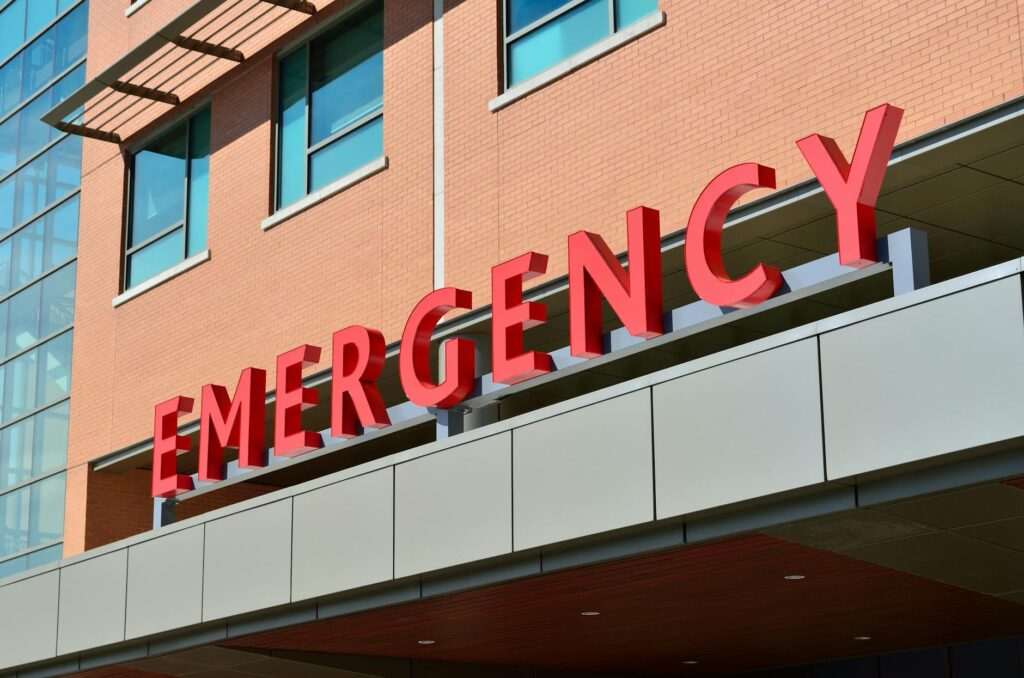
Health issues can derail a trip fast, especially when you’re away from your regular doctor and trying to figure out Anchorage, Alaska on the fly. This Anchorage medical services guide is built for that exact moment. It’s a practical local overview of where visitors usually turn for true emergencies, what to do for non-life-threatening problems, and how to handle the logistics around prescriptions, lodging, and recovery support.
First things first: if someone has chest pain, major bleeding, stroke symptoms, severe trouble breathing, or a serious injury, call 911 or head straight to an emergency department. Don’t wait. For less urgent needs, Anchorage has other options, but hours, insurance rules, and same-day availability can shift. That’s why this guide focuses on the big picture and the most dependable starting points.
When it’s an emergency in Anchorage
As of April 16, 2026, three of the most important hospital-based emergency departments for visitors are Providence Alaska Medical Center, Alaska Regional Hospital, and Alaska Native Medical Center. Providence lists its emergency department at 3200 Providence Drive as open 24 hours. Alaska Regional describes its Anchorage emergency room as a 24/7 ER at 2801 DeBarr Road. Alaska Native Medical Center lists its emergency department at 4315 Diplomacy Drive as open 24 hours, with its ED Fast Track open daily from 6:30 a.m. to 2:30 a.m..
If you’re unsure whether the situation is severe enough for the ER, use common sense and err on the side of urgency. Visitors often lose time trying to “tough it out” in a hotel room. That’s not the move when symptoms are escalating. If it feels serious, go now.
What to do for non-emergency care
Not every health problem needs the emergency room. Ear infections, routine medication questions, mild dehydration, minor sprains, or a lingering cough are often better handled through urgent care or same-day primary care. The catch is that Anchorage clinic hours and insurance acceptance can change by season, ownership, and staffing, so you should always confirm directly before you drive across town.
A good local rule is simple: use the ER for emergencies, and use clinic-based care for problems that can safely wait a bit. If you’re staying downtown and need help sorting directions or basic city logistics before you go, the Visit Anchorage – Log Cabin Visitor Information Center can at least help you get oriented. It won’t provide medical advice, but it can help visitors who are trying to navigate the city under stress.
Prescription and pharmacy backup
If a prescription gets lost, runs out early, or needs to be transferred, call the receiving pharmacy before you leave your hotel or rental. That saves a lot of frustration. Anchorage has major chain and grocery-store pharmacies, but 24-hour service can change, and some locations keep shorter weekend or holiday hours than travelers expect.
If a family member is discharged late or you need to stay flexible overnight, it helps to keep your lodging plan realistic. Hotel Captain Cook and Historic Anchorage Hotel are two downtown listings worth keeping in mind if you want central lodging while you coordinate follow-up care, pharmacy runs, or rides for other people in your group.
How visitors usually handle the practical side
Medical problems on the road are rarely just medical. They’re logistical. Who’s driving? Who’s staying with the kids? Where do you grab food after a long ER visit? How do you slow the day down if someone needs a quieter evening? Those details matter.
That’s why it helps to think beyond the waiting room. For non-emergency recovery after a clinician clears it, some visitors add gentle wellness support like Healing Therapeutics Health & Wellness Clinic. That isn’t a substitute for medical care, and it shouldn’t be treated like one. It can, however, fit into the “feel human again” part of a trip after the urgent piece is over.
Local reminder before you go
Anchorage, Alaska is big enough that you shouldn’t assume every service is right around the corner, but it’s compact enough that the main hospital campuses are reachable if you move quickly and stay calm. Keep insurance information handy, save your lodging address in your phone, and verify clinic or pharmacy hours right before you head out. If you’re visiting in winter or shoulder season, give yourself extra time for weather and road conditions too.
This guide is meant to help you think clearly, not replace professional advice. If the situation is life-threatening, call 911. If it isn’t, confirm your next step directly with a hospital, clinic, or pharmacy before you go.
What should visitors do first in a medical emergency in Anchorage?
Call 911 or go directly to a hospital emergency department if the problem looks serious. Providence Alaska Medical Center, Alaska Regional Hospital, and Alaska Native Medical Center are three of the main Anchorage emergency-care anchors for visitors.
Are there 24-hour emergency rooms in Anchorage?
Yes. As of April 16, 2026, Providence Alaska Medical Center, Alaska Regional Hospital, and Alaska Native Medical Center all publicly list 24-hour emergency care in Anchorage.
Should I use urgent care or the ER in Anchorage?
Use the ER for severe symptoms, major injuries, chest pain, stroke signs, or breathing trouble. Use urgent care or same-day clinic care for lower-acuity problems that can safely wait, but always confirm hours and insurance acceptance before you go.
What if I need lodging or recovery support while dealing with a health issue?
That’s where trip logistics matter. Downtown options like Hotel Captain Cook or Historic Anchorage Hotel can help with overnight flexibility, and non-emergency wellness support may make sense only after a clinician says it’s appropriate.




No comments yet.