
Alaska Summer Outdoor Adventure Safety Guide 2026
Essential Safety for Your Alaska Adventure
Planning an epic Alaska adventure this summer? You’re in for the experience of a lifetime.
Alaska’s wilderness offers unmatched outdoor opportunities, but it’s also one of the most challenging environments on Earth. From sudden weather changes to wildlife encounters, proper preparation can make the difference between an amazing adventure and a dangerous situation.
This comprehensive safety guide covers everything you need to know for safe outdoor adventures in Alaska’s summer wilderness.
Weather Awareness and Preparation
Alaska’s Unpredictable Summer Weather
Alaska summer weather can change faster than you think. One moment you’re hiking in sunshine, the next you’re facing rain, wind, or even snow at higher elevations.
Temperatures can swing 30-40 degrees in a single day. Early morning hikes might start at 40°F and reach 75°F by afternoon, then drop to 50°F by evening.
Weather Safety Protocols
Check weather forecasts before every adventure, but don’t rely on them completely. Alaska weather is notoriously unpredictable.
Always pack layers, even for day hikes:
– Moisture-wicking base layer
– Insulating mid-layer (fleece or down)
– Waterproof outer shell
– Extra socks and underwear
– Warm hat and sun hat
– Waterproof gloves
Hypothermia can occur even in summer temperatures. Wet clothes combined with wind create dangerous conditions quickly.
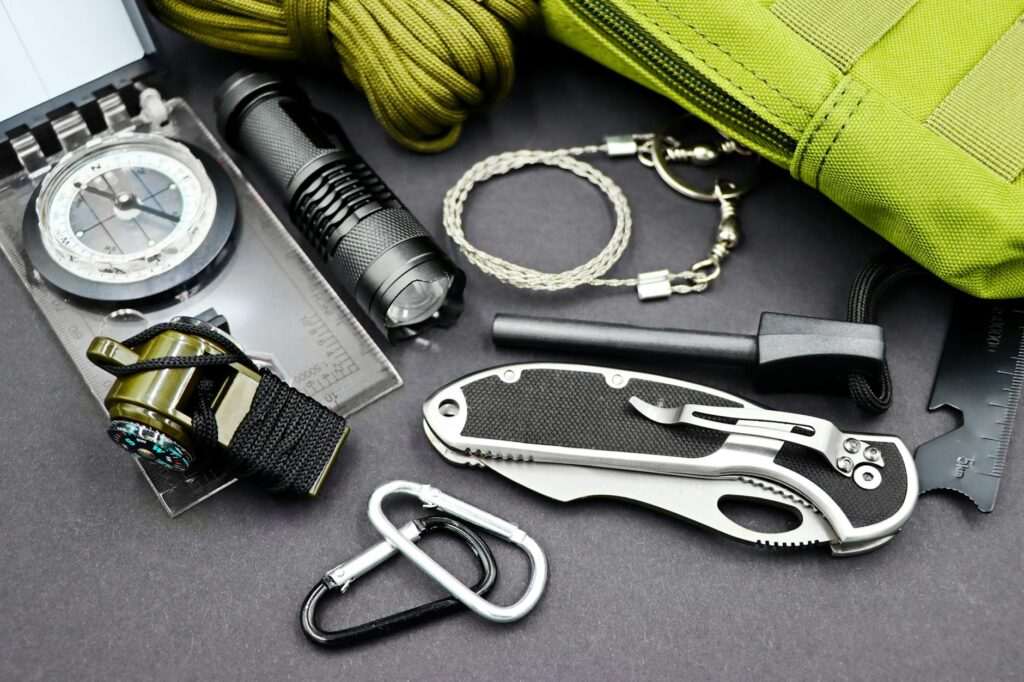
Essential Safety Gear for Alaska Adventures
Navigation and Communication
GPS devices and cell phones aren’t reliable in Alaska’s remote areas. Always carry backup navigation:
– Detailed topographic maps in waterproof case
– Quality compass
– GPS device with extra batteries
– Emergency beacon (PLB or satellite messenger)
Many areas have zero cell coverage. A satellite communication device can literally save your life.
Emergency Shelter and Survival Gear
Even on day hikes, carry emergency gear:
– Emergency bivy or space blanket
– Waterproof matches or reliable fire starter
– Multi-tool or knife
– Headlamp with extra batteries
– First aid kit
– Emergency food and water purification
Need quality gear? REI Co-op Anchorage and Big Ray’s have everything you need for Alaska adventures.
Food and Water Safety
Carry more food and water than you think you’ll need. Alaska adventures often take longer than planned.
Water sources might look pristine, but always purify:
– Boil for at least one minute
– Use water purification tablets
– Carry a reliable water filter
Pack calorie-dense foods that won’t spoil. Nuts, dried fruit, energy bars, and jerky are excellent choices.
Wildlife Encounter Safety
Bear Safety Protocols
Alaska has both black bears and brown/grizzly bears. Both are potentially dangerous.
**Prevention is key:**
– Make noise while hiking, especially near streams or dense vegetation
– Travel in groups when possible
– Never approach or feed bears
– Store food properly in bear-resistant containers
– Camp only in designated areas
**If you encounter a bear:**
– Don’t run (bears can reach 35 mph)
– Speak calmly and back away slowly
– Make yourself appear large
– If attacked, fight back against black bears, play dead with brown bears
– Carry EPA-approved bear spray and know how to use it
Moose Safety
Moose are actually more dangerous than bears in terms of human encounters. They’re unpredictable, especially during rutting season (September-October) and when protecting calves.
**Moose encounter protocol:**
– Give moose at least 25 feet of space
– If a moose charges, run and put something solid between you and the moose
– Moose can’t see well directly in front of their face – use this to your advantage
Other Wildlife Considerations
Wolves, coyotes, and lynx rarely pose threats but can be aggressive if cornered or protecting young. Marine mammals like sea lions and harbor seals can bite if approached.
Never feed any wildlife. It’s illegal and dangerous for both you and the animals.
Hiking and Trail Safety
Trail Planning and Preparation
Research your route thoroughly:
– Check trail conditions and closures
– Understand difficulty level and time requirements
– Identify water sources and potential hazards
– Leave a detailed itinerary with someone reliable
– Know your turnaround time and stick to it
River and Stream Crossings
Many Alaska trails involve stream crossings. Glacial streams can be especially dangerous:
– Cross early in the day when water levels are lower
– Unclip your pack’s waist belt for quick removal
– Use trekking poles for stability
– If the water is above your knees or moving fast, don’t cross
– Scout for safer crossing points upstream or downstream
Avalanche and Rockfall Awareness
Even in summer, some high-elevation areas have avalanche risk from warming snow and ice.
Watch for:
– Recent rockfall debris
– Loose rock on steep slopes
– Corniced snow that could collapse
– Signs warning of geological hazards
Camping Safety
Campsite Selection
Choose your campsite carefully:
– Camp at least 100 yards from water sources
– Avoid game trails and feeding areas
– Look up for widow-makers (dead branches that could fall)
– Choose level ground protected from wind
– Consider drainage in case of rain
Food Storage and Camp Hygiene
Proper food storage is critical in bear country:
– Use bear-resistant food containers
– Store food, toiletries, and scented items properly
– Cook and eat away from your sleeping area
– Pack out all trash and food scraps
– Never bury food waste
Emergency Preparedness
Emergency Action Plans
Have a plan for common emergencies:
– Injury or illness
– Getting lost
– Severe weather
– Equipment failure
– Wildlife encounters
Know how to signal for help:
– Three of anything (whistle blasts, mirror flashes, etc.) is the universal distress signal
– Create large X or SOS markers visible from aircraft
– Conserve energy if rescue might take time
First Aid and Medical Considerations
Carry a comprehensive first aid kit and know how to use everything in it. Consider wilderness first aid training before your trip.
Common Alaska wilderness injuries:
– Hypothermia
– Dehydration
– Sprains and strains
– Cuts and punctures
– Insect stings and bites
If you have medical conditions, carry extra medication and emergency information.
Seasonal Hazards and Considerations
Early Summer (May-June)
– Snow may remain at higher elevations
– River levels can be high from snowmelt
– Mosquitoes and other insects become active
– Some trails may not be fully accessible
– Daylight extends to 19+ hours
Mid-Summer (July-August)
– Peak adventure season with best weather
– All trails typically accessible
– Highest wildlife activity
– Berries ripen (can attract bears)
– Fire danger can be elevated during dry periods
Late Summer (September)
– Weather becomes more unpredictable
– Animals prepare for winter (more aggressive)
– Hunting seasons begin in some areas
– Daylight hours decrease rapidly
– Higher avalanche risk as temperatures fluctuate
Expert Tips from Local Guides
Professional Guide Insights
Alaska Outdoor Adventures guides share their top safety recommendations:
**”The 10 essentials aren’t suggestions in Alaska – they’re requirements. I’ve seen too many close calls from people who thought they’d be fine without proper gear.”**
**”Weather changes here aren’t gradual – they’re dramatic. Always be prepared for the worst-case scenario.”**
**”Your attitude about safety determines your outcome. Respect Alaska’s wilderness and it’ll respect you back.”**
Local Emergency Resources
Know who to call for help:
– 911 for immediate emergencies (when cell service available)
– Alaska State Troopers: (907) 352-5401
– Alaska Rescue Coordination Center: (907) 428-7230
– Park Service Emergency Line: (907) 683-9500
Consider renting emergency gear if you don’t own it. Alaska Outdoor Gear Rental has satellite communicators, bear spray, and other safety equipment.
Technology and Safety
GPS and Navigation Apps
Download offline maps before heading out:
– Gaia GPS
– AllTrails Pro
– USGS Topo Maps
Always carry paper maps as backup. Technology fails, especially in cold or wet conditions.
Weather and Conditions Apps
Useful apps for Alaska conditions:
– National Weather Service
– Mountain Forecast
– Avalanche.org (for winter/spring conditions)
– Alaska 511 (for road conditions)
Group Safety and Leadership
Group Management
If leading a group:
– Establish clear safety protocols before starting
– Assign a sweep person to stay with slower hikers
– Set regular check-in points
– Have a plan for group separation
– Ensure everyone has minimum safety gear
Communication Within Groups
Establish signals for:
– Stop/rest
– Wildlife sighted
– Hazard ahead
– Emergency
Regular head counts prevent people from getting separated and lost.
Preparation Before Your Trip
Physical Conditioning
Alaska adventures are physically demanding:
– Build cardiovascular endurance
– Strengthen core and leg muscles
– Practice hiking with a loaded pack
– Break in all footwear well before your trip
Skill Development
Consider taking courses in:
– Wilderness first aid
– Navigation and map reading
– Bear safety
– River crossing techniques
– Leave No Trace principles
Final Safety Reminders
The Alaska Mindset
Alaska wilderness demands respect. It’s beautiful but unforgiving. The difference between a great adventure and a tragedy often comes down to preparation and decision-making.
**Key principles:**
– Plan for the unexpected
– Turn back when conditions deteriorate
– Trust your instincts
– Carry more than you think you’ll need
– Tell someone your plans and stick to them
Emergency Contacts
Before heading out, share these details with someone reliable:
– Exact route and destination
– Expected return time
– Vehicle description and parking location
– Emergency contact information
– When to call for help if you don’t return
Conclusion
Alaska offers incredible outdoor adventures, but safety must always be your top priority. Proper preparation, quality gear, and smart decision-making allow you to explore Alaska’s wilderness safely.
Remember: it’s better to turn back and try again another day than to push forward into dangerous conditions. The mountains, glaciers, and wilderness will still be there tomorrow.
Your Alaska adventure should be challenging and memorable – for all the right reasons. Stay safe out there.
Want to join organized adventures with professional safety support? Check out the Anchorage Adventure Race Series for guided outdoor challenges.
Featured photo by Marta Branco on Pexels.


No comments yet.