
Alaska Summer Camping: RV Parks vs. Wilderness Options
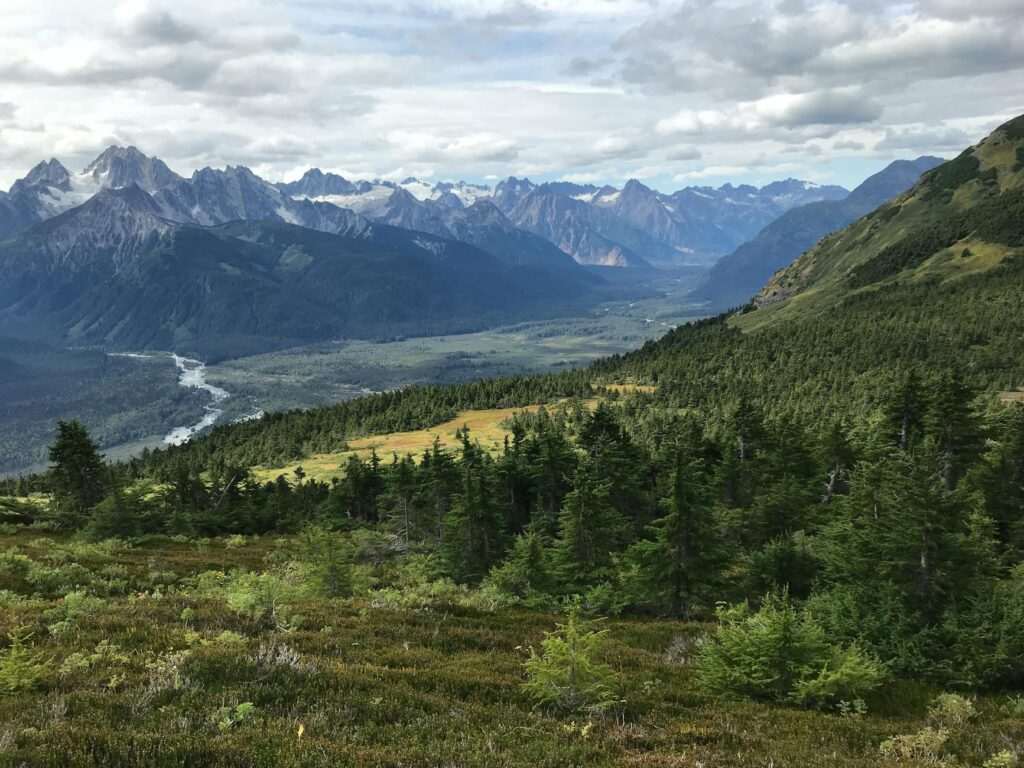
Camping near Anchorage gets talked about like it is one thing, but locally we know there are really two very different summer trips hiding under the same label. One is the easier, more comfortable version: pull into a developed campground or RV-friendly base, cook dinner without much fuss, and wake up close to fishing, hiking, or sightseeing. The other is the more stripped-down Alaska version: fewer amenities, more self-sufficiency, and a stronger payoff if you care more about scenery and trail access than hookups and convenience.
If you’re deciding between the two, the best choice usually comes down to how much infrastructure you want once the car is parked. This guide breaks down when RV parks and developed campgrounds make more sense, when wilderness-style options are the better fit, and how we usually plan summer camping from Anchorage without overcomplicating it.
Start With Your Camping Style, Not the Destination
The biggest planning mistake visitors make is choosing a destination before deciding what kind of trip they actually want. If your ideal evening includes level parking, easy bathroom access, a place to recharge, and a low-stress base for family travel, lean toward developed campgrounds and RV-oriented properties around Anchorage and Southcentral Alaska. If your priority is waking up near trailheads, feeling farther from the city, and building the trip around outdoor access, you’ll probably be happier in a simpler state park or public-land setting.
From Anchorage, both approaches can work well. The difference is that one is built around comfort and logistics, while the other is built around access and atmosphere. Summer weekends fill quickly either way, so the earlier you decide which lane you’re in, the better your trip usually goes.
When RV Parks and Developed Campgrounds Make Sense
If you’re traveling with kids, renting a motorhome, or want a lower-friction first Alaska camping trip, start with developed options. Around Anchorage, that often means using a private RV park or a well-equipped public campground as your base, then spending the day exploring. The local advantage is that you can still get out into big scenery without needing to turn the whole trip into a backcountry exercise.
For example, camping with easy access to Chugach State Park lets you pair a simpler overnight with day hikes, bike rides, or scenic pull-offs instead of hauling a full wilderness setup into the mountains. If you want the trip to feel adventurous without becoming too technical, this is usually the sweet spot.
Developed camping is also the better choice when you need predictable routines. Families often appreciate being able to return from a long outing, make dinner quickly, and not stress about water, weather, or whether the road in is going to turn into the hardest part of the trip. If that’s your group, don’t over-romanticize roughing it. Anchorage gives you plenty of payoff without demanding that every night be rugged.
Where Wilderness-Style Camping Wins
If your goal is quiet, space, and more of that classic Alaska feeling, wilderness-style options start to pull ahead. That doesn’t always mean a fully remote expedition. Sometimes it just means choosing a simpler campground, a public-use cabin plan, or a route where the amenities are minimal and the scenery does the work.
This is where places tied to Hatcher Pass and Independence Mine State Historical Park, the edges of Chugach State Park, or day-trip corridors off the Glenn Highway Scenic Drive start to make more sense. The experience becomes less about campground convenience and more about what your morning looks like when you unzip the tent or step outside with a cup of coffee.
Locally, this style works best for travelers who don’t mind doing more prep at the front end. You need to be more deliberate about food, weather layers, bug strategy, and backup plans. But if that’s your personality anyway, the reward is bigger. These trips feel less like parking-lot camping and more like the Alaska people imagine before they arrive.
What We Recommend for First-Time Alaska Campers
If it’s your first summer camping trip in Alaska, split the difference. Start with a developed base, then build wilderness-style days from there. Pick up any last-minute gear in town at REI Anchorage or rent what you don’t want to fly with from Alaska Outdoor Gear Rental. Then use your camp as a launch point for easy wins like a glacier walk, a ridgeline hike, or a scenic drive.
This approach keeps the logistics sane while still giving you the feeling of an Alaska camping trip. A lot of visitors try to jump straight to the most remote-looking option, then spend the whole time managing gear and worrying about conditions. There is no prize for making your first trip harder than it needs to be.
How to Build a Better Anchorage Camping Itinerary
One of the smartest local moves is to think of camping as the framework, not the headline activity. Build your route around what you want to do during the day. If you want hiking, camping near trail access to Byron Glacier Trail or Tony Knowles Coastal Trail extensions makes more sense than choosing a random overnight stop with nicer amenities. If you’re after a multi-stop weekend, combine a developed base with a scenic drive and one or two bigger outings instead of trying to move camp every night.
For families, we usually suggest keeping the first day light. Set up camp, eat early, and use the evening for a walk or short scenic stop. Save your longer hike or adventure activity for the next morning when everyone is rested. That one adjustment makes a big difference, especially when the midnight sun tricks you into doing too much on day one.
Local Reality Checks Before You Go
Summer camping near Anchorage is popular for a reason, so assume competition for the easiest, prettiest options. Many Alaska State Parks campgrounds are first come, first served, and developed sites can fill fast on sunny weekends. If you are leaning toward public land or a simpler campground, arrive early and keep a backup plan instead of gambling on one perfect stop.
Also remember that Alaska camping is not just about sleeping arrangements. Weather shifts quickly, campfire rules can vary, and a route that looks casual on the map can still feel remote once you are out there. Bring layers, bring rain protection, and make sure your food and waste plan is more thought through than it would be for a normal road trip in the Lower 48.
RV Parks vs. Wilderness Options: The Short Version
Choose RV parks and developed camping if comfort, family logistics, and easy resets matter most. Choose wilderness-style camping if you want access, atmosphere, and a trip that feels more tied to the landscape than the amenities. Most travelers don’t need to be purists about it. The best Anchorage camping trip is usually a hybrid: easier sleeping setup, bigger daytime adventure.
That balance is what locals come back to. Anchorage makes it possible to stay practical without losing the Alaska feeling, and that is exactly why summer camping works so well here.
Featured photo by Alex Antsiferov on Pexels.


No comments yet.