
Alaska State Fair 2026: Dates, Highlights & Visitor Tips
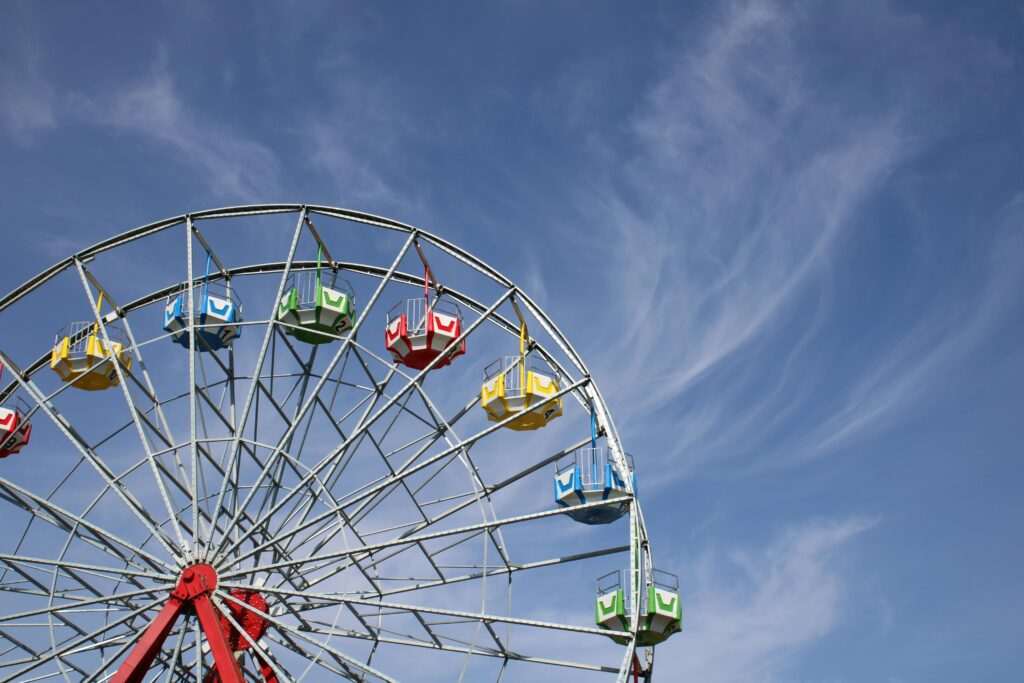
Every August, the Mat-Su Valley hosts one of Alaska’s most beloved annual events. The Alaska State Fair in Palmer draws visitors from across the state for 12 days of giant vegetables, live music, carnival rides, livestock competitions, and fair food — a tradition that’s been running for more than 80 years. For Anchorage visitors, it’s an easy day trip that adds a distinctly Alaskan experience to any summer itinerary.
Dates and Location
The 2026 Alaska State Fair runs late August through early September, traditionally ending on Labor Day weekend. The fairgrounds are in Palmer, Alaska, at 2075 Glenn Highway — approximately 40 miles northeast of downtown Anchorage. The drive up the Glenn Highway takes 40–50 minutes under normal conditions, with mountain views along the way that are worth the trip on their own. Check the official Alaska State Fair website for confirmed 2026 dates and hours as the season approaches, as opening ceremonies and specific event scheduling are announced in late spring.
Getting There from Anchorage
By car: Take the Glenn Highway (AK-1) north from Anchorage toward Palmer. The fair is well-signed from the highway. Parking is available at the fairgrounds for a daily fee, though lots fill quickly on weekends — plan to arrive by mid-morning if you want a space near the main entrance.
Park & Ride shuttle: The Alaska State Fair typically runs shuttle service from park-and-ride lots in Anchorage and the valley during peak attendance weekends. This option saves parking hassle and is particularly convenient for families with young children or anyone who plans to enjoy the fair’s beer and wine garden. Check the official site for 2026 shuttle pickup locations and schedules, which are usually announced in July.
Best days to visit: Weekday visits offer shorter lines and easier parking. Opening weekend and Labor Day weekend draw the largest crowds. If your schedule allows, aim for a Tuesday through Thursday visit in the final week of the fair — crowds thin but most events are still running.
Tickets and Admission
General admission tickets are available at the gate and online in advance. Advance purchase typically saves a few dollars and skips the gate queue, which can be long on busy days. Children under a certain age (historically 6 and under) are admitted free. Carnival ride tickets and some special events are priced separately from general admission. Check the fair’s official website for current 2026 pricing — rates are usually posted by June.
Giant Vegetables: Alaska’s Most Famous Competition
If you’ve heard one thing about the Alaska State Fair, it was probably about the vegetables. The combination of Mat-Su Valley’s rich glacial soil, long summer days, and cool temperatures produces agricultural results that look like science fiction. The giant cabbage competition regularly features specimens in the 100-pound range, with record-breaking years pushing well above that. Past winners have exceeded 130 pounds for a single head of cabbage.
Beyond cabbage, the agriculture pavilion showcases giant pumpkins, prize-winning zucchini the size of surfboards, and root vegetables that have to be wheeled in on carts. The judging happens during the first days of the fair and the winning entries remain on display throughout — it’s genuinely worth seeing in person. No photograph quite conveys the scale.
The agriculture displays also cover flower arranging, baked goods competitions, honey judging, and fiber arts. Alaska’s farming community uses the fair as a showcase, and the quality and variety on display reflect how seriously the Mat-Su Valley takes its agricultural identity.
Live Music and Entertainment
The Alaska State Fair consistently books nationally touring acts for its main stage concerts, which are included with general admission. Past years have brought in country, rock, and Americana acts that would otherwise require a flight to see in Alaska. The entertainment schedule spans the full 12 days and includes local and regional acts in addition to headliners. Check the lineup when it drops (usually June or July) and plan your visit around acts you want to see.
Beyond the main stage, the fairgrounds host daily free entertainment across multiple venues: dog shows, pig racing, magic acts, and arena events including livestock demonstrations and rodeo-style competitions. There’s rarely a moment without something happening somewhere on the grounds.
Food: The Fair Classics and Alaska Originals
The food vendor lineup at the Alaska State Fair mixes standard carnival fare with distinctly Alaskan options. Reindeer sausage on a stick is a perennial highlight — the slightly gamy, smoky flavor bears no resemblance to beef hot dogs and is worth trying even if you’re skeptical. Smoked salmon tacos, halibut fish and chips, and Alaska crab options typically appear across multiple vendors.
The classics are well-represented: elephant ears, kettle corn, funnel cakes, corn dogs, and fresh-squeezed lemonade. The beer and wine garden pours Alaska-brewed beers alongside wines from the fair’s agricultural program. Lines at popular food stalls can stretch 15–20 minutes on busy weekends — if something catches your eye in the morning, it’s worth grabbing early rather than circling back.
Tips for Families with Kids
- Arrive early. Families with young children do best in the first two hours after opening, before heat and crowd fatigue set in. The agriculture and animal barns are calmer in the morning.
- Budget for carnival rides separately. Ride tickets add up quickly. Decide in advance how many rides per child and buy accordingly, or look for wristband deals on specific days.
- Animal barns first. The livestock barns — pigs, goats, sheep, rabbits, and poultry — are a highlight for kids and get more crowded as the day goes on. Hit them early.
- Stroller navigation is manageable but the grounds are large. A compact umbrella stroller handles the paths better than a large frame.
- Dress in layers. August afternoons in the valley can warm up significantly, but morning and evening temperatures drop. Pack a light jacket even if it’s warm in Anchorage when you leave.
- Sunscreen. The fairgrounds are mostly open with limited shade — UV exposure is real even on partly cloudy days.
What Else to Do in the Area
Palmer itself is worth a short walk after the fair. The downtown area has a handful of independent shops and the Colony House Museum, which tells the story of the 1935 New Deal colonists who founded the agricultural community. The drive back to Anchorage passes through some of the most scenic sections of the Glenn Highway, with the Chugach Mountains rising to the south and the Knik River valley opening to the east.
If you’re looking to add an outdoor activity before or after the fair, the Chugach Adventures team operates tours near Anchorage that combine well with a valley day trip. For cultural context on Alaska’s history that complements a day at the fair, the Anchorage Museum and the Alaska Native Heritage Center offer the backstory on the people and land you’re visiting.
Frequently Asked Questions
When is the Alaska State Fair in 2026?
The Alaska State Fair traditionally runs for 12 days in late August through Labor Day weekend. For confirmed 2026 dates, check the official Alaska State Fair website — dates are typically announced by early spring and tickets go on sale in summer.
How far is the Alaska State Fair from Anchorage?
The fairgrounds in Palmer are approximately 40 miles northeast of downtown Anchorage via the Glenn Highway. The drive takes 40–50 minutes under normal traffic conditions and offers scenic views of the Chugach and Talkeetna mountain ranges.
What makes the Alaska State Fair’s vegetables so big?
The Mat-Su Valley’s combination of rich glacial soil, cool temperatures, and up to 19+ hours of summer daylight creates ideal growing conditions for giant vegetables. Cabbages regularly top 100 pounds; the record holders exceed 130 pounds. The giant cabbage competition draws entries from valley farmers who spend months cultivating competition-grade plants.
The Alaska State Fair is one of those experiences that sounds like a fun detour but ends up being a genuine highlight of an Anchorage visit. The combination of world-record vegetables, Alaska-specific food, consistently strong entertainment bookings, and the Mat-Su Valley setting makes it worth building a day around — not just stopping by.
Featured photo by tiredtraveller on Pexels.
No comments yet.