
Alaska Spring Break-Up 2026: What Visitors Should Know
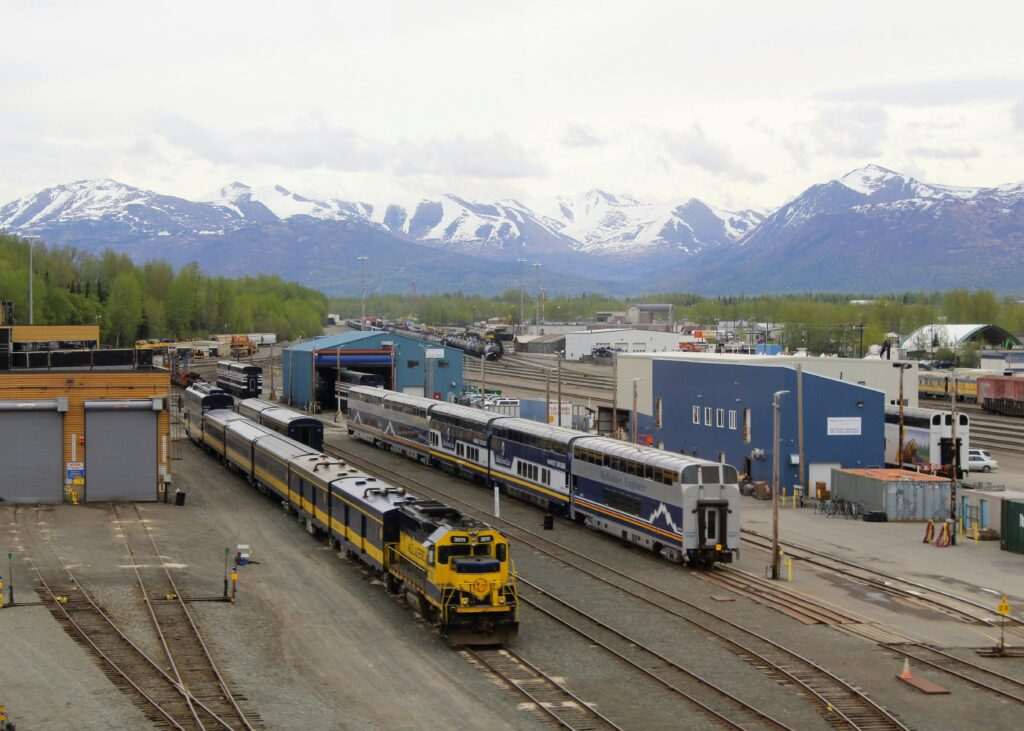
In Anchorage, “break-up” is the in-between season when winter starts losing its grip but summer hasn’t actually arrived. Snow shrinks back, trails soften, parking lots turn sloppy, and every local develops a stronger opinion about waterproof boots. For visitors, Alaska spring break-up can feel confusing because the scenery still looks dramatic and wintery in one direction while the ground under your feet feels like thawing sponge in another.
As of April 11, 2026, the smartest way to plan a shoulder-season Anchorage trip is to stop thinking in simple spring clichés. This isn’t flower-season first and hiking-season second. It’s a thaw period. NOAA’s Alaska-Pacific River Forecast Center says Southcentral Alaska has a lower spring breakup flood threat than many Interior regions this year because snowpack is below normal, but that doesn’t mean clean, dry conditions around Anchorage. It means you should expect mud, uneven trail surfaces, and quickly changing access conditions while still taking advantage of one of our most underrated travel windows.
If you want the best version of break-up, lean into wildlife, wetlands, gardens, and flexible indoor backups. Places like Potter Marsh Bird Sanctuary, Spring Bird Migration at Potter Marsh, Alaska Botanical Garden, and Alaska Wildlife Conservation Center all make more sense right now than pretending every high-country trail is already in July shape. If the weather turns or your group wants an easy backup, Anchorage Museum is still one of the best shoulder-season resets in town. For more seasonal ideas, our Seasonal Events and Visitor’s Guide archives are the right companion pages.
What Break-Up Actually Means for Visitors
The practical version of break-up is simple: surfaces are soft, runoff is active, and your day will go better if you plan around lower-elevation outings and short pivots. This isn’t the moment to overcommit to alpine routes just because the sky looks clear from downtown. Freeze-thaw cycles can leave parking areas slick in the morning, trails muddy by midday, and side roads rougher than visitors expect.
The upside is that Anchorage in break-up has a quieter, more local rhythm. You are early for peak crowds, hotel rates can be friendlier, and wildlife activity starts becoming part of the daily conversation again. If you pack layers, waterproof footwear, and flexible plans, this season can be excellent.
Go Where the Birds Already Know It’s Spring
If you only do one truly break-up-season activity in Anchorage, make it Potter Marsh. Potter Marsh Bird Sanctuary is one of the easiest places to feel the seasonal shift without committing to a muddy mountain objective. The boardwalk setting is accessible, the views across the marsh are wide open, and it is one of those stops that works for photographers, birders, and casual visitors equally well.
This is also the moment when Spring Bird Migration at Potter Marsh becomes especially relevant. Anchorage spring isn’t just about thaw. It’s about movement. Migratory birds return, wetlands wake up, and the city starts feeling alive again in a way that has nothing to do with leaves being fully out yet. If you are traveling with kids or anyone who is not thrilled by mud, Potter Marsh is one of the safest bets on the list.
Pick Spring-Friendly Outdoor Stops
Break-up is a great time for lower-risk outdoor stops that still feel distinctly Alaskan. Alaska Botanical Garden works well because the visit is about slow seasonal change, not peak bloom perfection. Go in expecting early signs of green, not midsummer abundance, and it becomes much more enjoyable. The same logic applies to places like Campbell Creek Science Center, where the value is in the educational setting, forest access, and manageable outdoor time rather than a big-vertical adventure day.
If you want a stronger wildlife payoff with less uncertainty, Alaska Wildlife Conservation Center is one of the best shoulder-season calls within easy reach of Anchorage. It gives visitors an Alaska animal experience even when trail conditions are messy and mountain weather is uncooperative.
Know What to Expect From Trails
The main mistake visitors make during break-up is reading trail names and assuming those hikes are ready because they are famous. A trail can be open in the technical sense and still be sloppy, post-holey, or simply not fun for someone who packed like it was June. This is where locals get picky, and for good reason. Spring miles in Anchorage are usually better when you shorten your ambition and improve your footwear.
If your group still wants trail time, keep it conservative. Boardwalks, nature-center areas, and shorter walks are the move. Save your higher, longer hikes for later in the season when the ground has settled and route conditions are more predictable. Break-up is for observation and flexibility, not for forcing a summit because the rental car is already parked.
What Is Open, What Is Better Later
The good news is that plenty is still worth doing. Wildlife stops, museums, scenic drives, nature centers, and wetland viewing all play well in April and May. What usually works less well is any itinerary built around “three big hikes in two days.” You can do that later. Break-up rewards slower pacing and mixed indoor-outdoor days.
That’s also why Anchorage Museum belongs in this guide. It’s not a consolation prize. It’s the right shoulder-season counterweight when the weather shifts, the parking area is muddier than expected, or someone in your group is over it by lunchtime.
How to Pack for an Anchorage Break-Up Trip
Bring waterproof shoes or boots, a shell layer, one real warm layer, and something you don’t mind getting dirty. Sunglasses matter. So does a hat. So does a willingness to pivot. If you are packing for “spring” the way you would for Seattle or Denver, add one Alaska correction layer on top of that.
Visitors who handle break-up well are the ones who plan for mess and stay curious anyway. That’s the whole trick. Anchorage in this season isn’t polished, but it’s honest. You get bird migration, waking wetlands, active wildlife, fewer crowds, and a very local sense of the year turning over. If you come prepared for that version of spring, it’s a good time to be here.
Featured photo by Howard Herdi on Pexels.


No comments yet.