How to See Wildlife in Anchorage Without a Tour
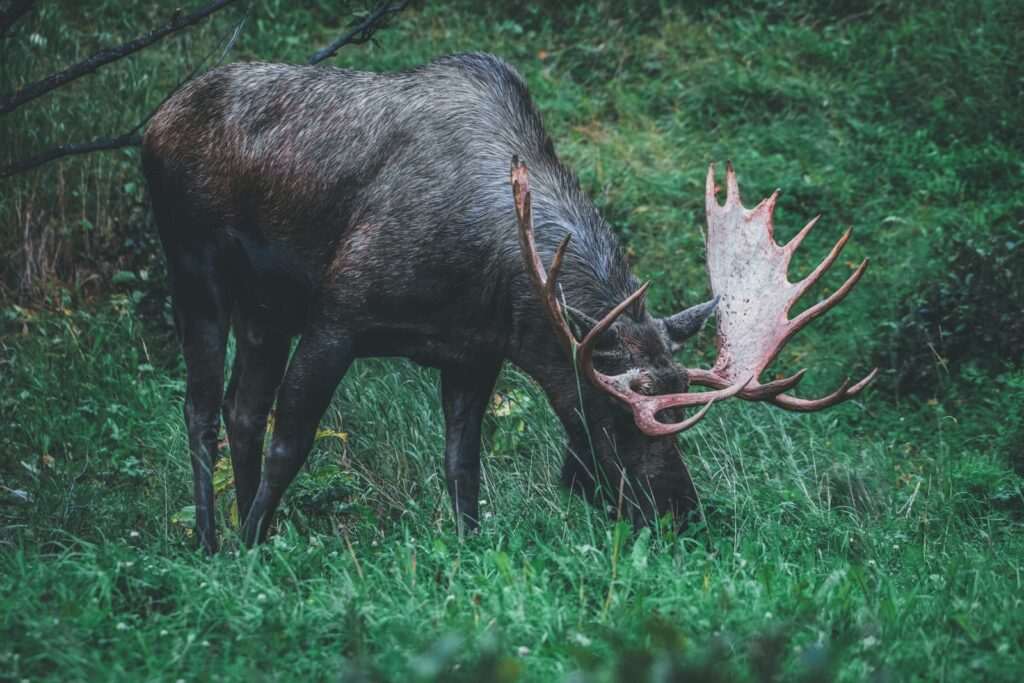
Anchorage is one of the rare cities where a grocery run can turn into a moose sighting. You do not need to book a bus, floatplane, or guided safari to see wildlife here. You do need good timing, realistic expectations, and a little local common sense.
If you want the best odds, plan around quiet hours and habitat. Early morning and late evening are your best windows for moose and birds, while salmon viewing gets better when fish are actively moving upstream in midsummer. We like starting with the easy urban spots first, then moving out to brushier trail systems if conditions feel calm. The trick is to watch without crowding animals, especially in spring when cows have calves and in summer when salmon draw bears to creeks.
Start With The Easiest Wildlife Habitats In Town
For a simple first stop, head to Tony Knowles Coastal Trail. The trail edges forest, shoreline, and open viewpoints, which means you can cover a lot of habitat without leaving Anchorage proper. Bald eagles are common along the coast, and locals keep an eye on the brushy sections for moose, especially when the trail is quiet. Bring binoculars, keep your speed down on bikes, and scan the tree line before you round blind corners.
Another reliable urban option is the area around Campbell Creek Science Center. The Campbell Tract has miles of trails through forest and creek habitat, and it feels wilder than many visitors expect from a city greenbelt. It is a strong choice for birds, tracks, and the occasional moose sighting. It is also the kind of place where you should pay attention to seasonal closures and bear activity notices, because salmon runs can bring brown bears to the creek from June through October.
If you want a short outing outside the city bowl, Thunderbird Falls Trail is a good add-on. The walk is approachable, the creek corridor attracts birds, and the surrounding brush is solid moose habitat. It is not a guaranteed wildlife stop, but it rewards slow walkers more than fast hikers. We tell people to pause often, listen before turning corners, and treat any fresh tracks or scat as a reminder to stay alert.
Where To See Moose In Anchorage On Your Own
Moose are the animal most visitors hope to see, and they are also the one most likely to get underestimated. In Anchorage, the best strategy is not chasing a rumor on social media. Instead, look for low, brushy habitat near creeks, marsh edges, and wooded parks during the quieter parts of the day. Potter Marsh is famous for this, but moose also turn up along the Coastal Trail, around Campbell Tract, and in neighborhood greenbelts all over town.
Spring and early summer are sensitive seasons. Alaska wildlife officials warn that cow moose can be especially aggressive when defending calves, and narrow brushy trails increase the chance of a sudden close encounter. If you spot a calf, assume the mother is close even if you cannot see her yet. Back out the way you came, give the area time to settle, and do not try to sneak around for a better photo.
Distance matters more than people think. If a moose pins its ears back, raises the hair on its hump, or keeps licking its lips, you are too close. Give the animal the trail. Dogs are a common trigger for bad moose encounters, so keep them under tight control and skip wildlife-chasing behavior entirely. A quiet retreat is always the right move.
When Salmon And Birds Put On The Best Show
For the easiest fish viewing in town, go straight to Ship Creek. It is one of our favorite recommendations because you can watch salmon without committing to a long hike. According to Alaska Department of Fish and Game guidance, king salmon are typically visible from late May through July, and coho show up from August into mid-September. The hatchery stretch and the dam area upstream are especially good places to look when fish are moving.
Ship Creek is also better for birders than many first-timers expect. The mudflats and tidal water attract migrating shorebirds, and high tides can push them closer to shore. Bring a pair of polarized sunglasses if your goal is salmon, and check the tide if your goal is birds. One important local rule: stay off the mudflats. Tides move fast there, and the mud can trap people.
If you want a calmer wildlife walk after Ship Creek, Alaska Botanical Garden gives you another chance to scan for birds and brushy edges while staying on maintained paths. It is not a headline wildlife destination, but it works well as a low-key backup when you want habitat, easy access, and fewer logistics.
What To Do About Bears
Most self-guided wildlife days in Anchorage are really about moose, birds, and salmon, but bears are part of the equation anywhere salmon streams and brushy corridors overlap. That is why Campbell Creek deserves extra respect in summer. The Bureau of Land Management specifically warns visitors that salmon runs bring brown bears to the creek from June through October.
Our local rule is simple: if you are walking a brushy trail in summer, act like a bear could be nearby. Travel in a group when you can, make noise before blind corners, and keep bear spray accessible instead of buried in a backpack. If fresh bear sign, a closure notice, or recent reports make the area feel active, choose a more open trail or save that walk for another day. Anchorage gives you enough options that you do not need to force it.
A Smart Half-Day Wildlife Plan
If you only have one free morning, start at Ship Creek for salmon or shorebirds, then move to the Coastal Trail or Campbell Creek depending on what you most want to see. Pick one habitat and stay patient instead of bouncing all over town. Wildlife viewing here is usually better when you slow down, stand still for ten minutes, and let the place settle around you.
If you strike out, do not assume you did it wrong. Wild animals move constantly, weather changes behavior, and some days are just quiet. That is normal in Anchorage. The win is not just checking a moose off a list. It is learning how our city actually works: creeks full of salmon in summer, eagles working the shoreline, and enough open space that big animals still move through town on their own terms.
Give yourself time, keep your distance, and let the wildlife come to you. That approach is safer, more respectful, and usually far more rewarding than chasing a crowded tour stop.
Featured photo by Corey Simoneau on Unsplash.



No comments yet.