
Encaustic Painting Classes and Workshops in Anchorage: A Complete Guide
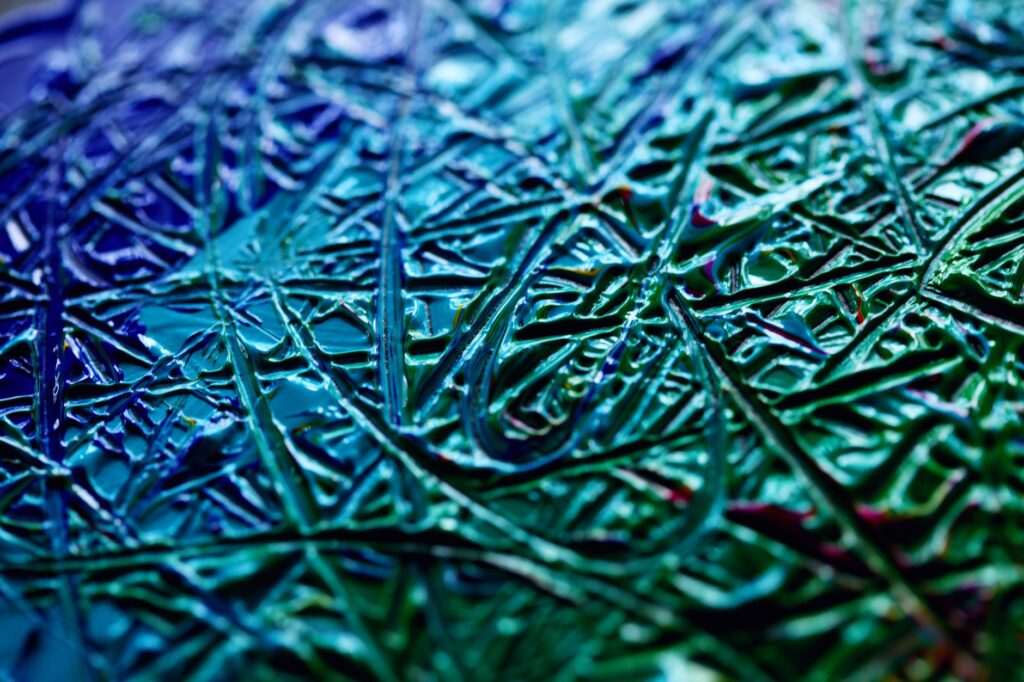
Encaustic painting is one of the oldest painting mediums in continuous use — ancient Greek and Roman painters used molten beeswax mixed with pigment to create portraits, decorative objects, and architectural surfaces, and some of those works (the Fayum portrait mummies from Roman Egypt) have survived two thousand years with extraordinary color vibrancy and surface quality. The medium disappeared from mainstream art practice for centuries before being revived in the 20th century by artists drawn to its unique optical qualities and physical properties: translucent wax layers build depth and luminosity that oil and acrylic paint can’t replicate; the medium can be fused to create seamless transitions; and its capacity for collage, texture embedding, and mark-making produces results as varied as the practitioners who use it. Encaustic’s current revival in contemporary fine art and craft workshops reflects both its aesthetic distinctiveness and its alignment with the natural materials movement — beeswax is a natural, locally sourceable material, and in Alaska, where beekeeping communities produce high-quality wax, encaustic has a particular local connection. This guide covers encaustic materials, tools, core techniques, surface preparation, and beginner project ideas in 2026.
Beeswax and Damar Resin
Encaustic medium — the base the artist works with — combines two ingredients in a specific ratio:
Beeswax is the primary component, typically 8 parts by weight. Filtered, bleached (cosmetic-grade) beeswax produces lighter colors; natural filtered yellow beeswax imparts a warm golden tone to mixed colors. The beeswax provides encaustic’s characteristic translucency and creamy working consistency. Many Anchorage practitioners source Alaska beeswax from local beekeepers, creating a direct connection between the art medium and the local natural environment.
Damar resin (also spelled dammar), the dried crystalline sap of a Southeast Asian tree, is melted and strained into the wax at approximately 1 part to 8 parts wax. Damar raises the melting point of the wax (making the finished surface harder and more heat-resistant), increases adhesion between layers, and adds clarity to the medium. Without damar, pure wax layers don’t bond to each other reliably and the surface remains soft enough to mark easily at room temperature. Commercial encaustic medium (from R&F Paints and Enkaustikos) already contains the correct damar ratio and is ready to use without mixing.
Pigments are added to the beeswax-damar mixture in small amounts to create encaustic paint. Oil-based pigments, oil paints (used sparingly), and dry pigments all work; water-based pigments don’t mix into wax. Many practitioners work with a combination of pre-pigmented commercial encaustic paints and custom-mixed tints.
Tools: Hot Palette and Heat Gun
Encaustic painting requires keeping the medium molten throughout the work process, which requires specific heat management tools:
Hot palette (heated surface): A dedicated electric hot palette (a flat, temperature-controlled metal surface) keeps tins or cups of encaustic medium at working temperature (190–220°F / 88–104°C — liquid but not smoking). The palette allows multiple colors to stay molten simultaneously, with the artist loading a brush from each color as needed. Purpose-built encaustic hot palettes (from Enkaustikos, R&F, and other suppliers) are the standard studio tool; an electric griddle used exclusively for encaustic functions similarly for beginners at lower cost.
Heat gun: A heat gun (similar to a hair dryer but much hotter) fuses layers of encaustic by melting the top surface just enough to bond layers together. Every layer of encaustic must be fused to the layer beneath it; unfused layers don’t adhere reliably and eventually separate. The heat gun also creates surface effects — melting and pushing wax to create organic textures, blooming color into adjacent areas, and creating craters and depth effects. Control of the heat gun — distance, duration, angle — is the central technical skill in encaustic painting.
Torches: A small propane torch or culinary torch produces more localized, intense heat than a heat gun — useful for very specific fusion, for creating heat-responsive texture effects, and for popping bubbles in freshly poured wax. Used as a complement to the heat gun rather than a replacement.
Layering and Fusing
Encaustic painting is a process of building layers — applying a layer of molten wax, fusing it to the layer beneath, cooling, then applying the next layer:
Apply molten encaustic medium or paint to the surface with a natural-hair brush (synthetic brushes melt), a palette knife, or by pouring directly from the tin. The wax cools rapidly (within seconds on a cool surface), so work with confident, decisive strokes rather than fussy back-and-forth. After applying each layer, pass the heat gun over the surface at a distance of 8–12 inches until the surface just reaches a unified sheen — the “fuse” — then allow it to cool before the next application. Fusing too aggressively (too close, too long) melts the layer into the one beneath rather than bonding them; not fusing enough leaves layers unattached.
Translucent layers over opaque ones create depth — earlier layers show through as halos, tints, and shadows beneath the surface. The depth that multiple translucent encaustic layers create produces an optical quality unlike any other painting medium.
Collage and Texture Embedding
Encaustic’s adhesive properties make it ideal for embedding materials into the wax surface:
- Paper and text: Tissue paper, book pages, photographs (printed on tissue-thin paper), and maps embedded in encaustic become translucent windows visible through subsequent wax layers. The encaustic saturates the paper fibers, making paper nearly invisible while preserving its image or texture.
- Natural materials: Leaves, grass, dried flowers, feathers, and seeds pressed into a warm wax layer and covered with a thin transparent coat become preserved inclusions visible through the wax. Alaska botanical materials — pressed fireweed petals, spruce needles, birch leaves — appear frequently in Anchorage encaustic work.
- Pigment sticks and oil sticks: R&F Pigment Sticks (oil paint in a solid stick form) applied to a fused encaustic surface add drawing and mark-making that contrasts with the smooth wax passages. Oil sticks take days to cure but produce vivid, textured marks that don’t require heat to apply.
- Texture marks: Pressing textured materials (bubble wrap, fabric, tree bark, stamps) into warm wax creates impressed texture that’s preserved when the wax cools. Scraping back through cooled wax with a palette knife reveals underlying layers and creates sharp-edged marks.
Surface Preparation: Cradled Wood Panels
Encaustic requires a rigid, porous surface — paper, canvas, and flexible supports don’t work well because the wax cracks when the support flexes. The standard encaustic surface is a cradled wood panel (a flat board of birch plywood or MDF with a wooden frame on the back to prevent warping):
Panels are either used raw (the raw wood absorbs the first wax layers, creating a strong bond), gessoed (acrylic gesso applied before wax — the gesso’s porosity holds the wax), or painted with oil paint as a base layer. Most encaustic painters prefer raw or gessoed cradled panels; the specific preparation affects how the first layers of wax absorb and adhere.
Beginner Abstract Projects
Encaustic’s material behavior — the way wax moves, fuses, and creates layered depth — makes abstract work the natural starting point for beginners. A beginning encaustic abstract might layer three to five colors in organic, gestural strokes, fusing between layers and adding collage elements (tissue paper, dried botanicals) to build complexity. The characteristic encaustic surface — luminous, slightly textured, with visible depth — emerges as the layers accumulate.
Encaustic Painting Workshops in Anchorage
Anchorage encaustic workshops typically run 3–4 hours, producing a small cradled panel in abstract or mixed-media style. The medium’s Alaska connections — locally sourced beeswax, botanical material inclusion, the optical quality that translates well to landscape subjects — give Anchorage encaustic instruction a regional dimension that practitioners find particularly meaningful. Safety considerations (adequate ventilation for wax fumes, heat management) are covered thoroughly in workshop settings.
Workshop prices run $60–$110, reflecting the cost of materials (cradled panels, professional encaustic medium, tools). A starter encaustic kit (R&F or Enkaustikos starter set, a small cradled panel, and a heat gun) costs $80–$150. Anchorage craft workshop participants can show and sell their finished work at year-round events including the Anchorage Market & Festival, the Anchorage Native Arts & Culture Festival, and the Alaska State Fair. Our free things to do in Anchorage guide covers the art galleries where Anchorage encaustic work is exhibited. Our Anchorage hiking guide covers the landscapes and botanical environments whose translucent, layered light quality — glacier ice, boreal canopy light, wildflower fields — maps naturally onto encaustic’s signature visual vocabulary.
Photo by Landiva Weber on Pexels.

No comments yet.