
Natural Fabric Dyeing Workshops Anchorage 2026
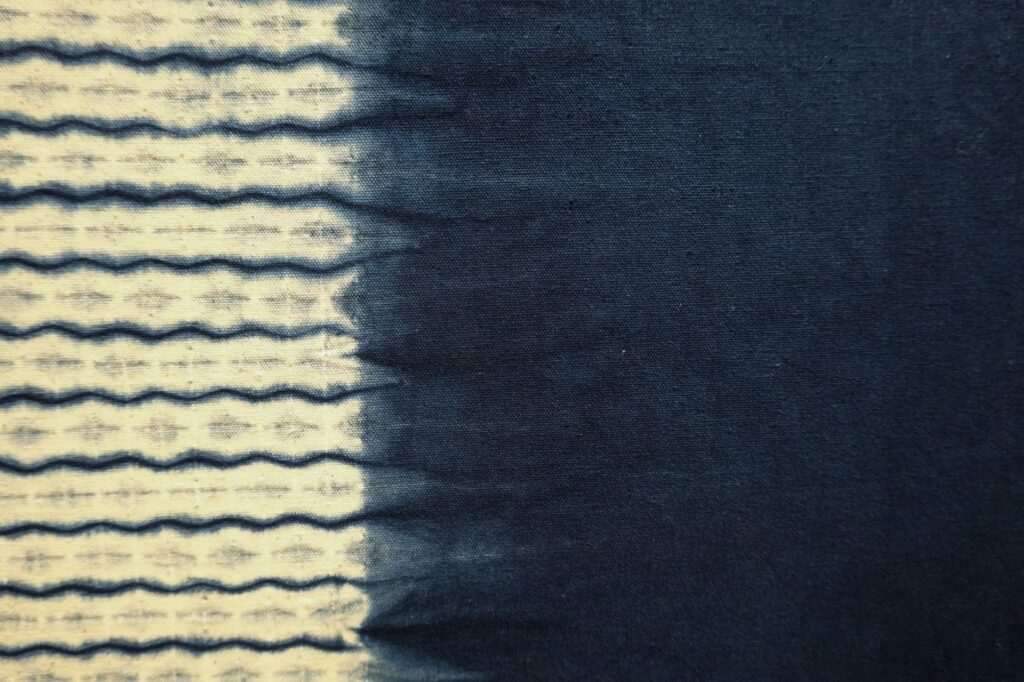
Natural dyeing — using plant materials, fungi, and minerals to color fiber and fabric — is one of the oldest human crafts, and Alaska offers a palette of dye plants that produces colors unavailable in any synthetic equivalent. Birch leaves, fireweed blossoms, spruce bark, wild onion skins, and lichen gathered from fallen branches all yield dye baths that produce colors rooted in the specific ecology of Southcentral Alaska. The practice has deep roots in Indigenous fiber traditions of the region, and a contemporary revival among fiber artists, textile makers, and craft enthusiasts has made natural dyeing classes and workshops an active part of Anchorage’s creative workshop landscape. This guide covers natural fabric dyeing workshops in Anchorage in 2026, the Alaska-specific plant palette available, and the chemistry that makes the colors stay.
How Natural Dyes Work
Natural dyes bond to fiber through a chemical process involving a mordant — a metallic salt that creates a bond between the dye molecule and the fiber protein or cellulose. Without a mordant, most natural dyes wash out quickly or fade badly in light. With the right mordant, natural dyed textiles can be exceptionally stable — museum collections include naturally dyed textiles thousands of years old that retain significant color.
The most common mordants in contemporary natural dyeing workshops are:
- Alum (potassium aluminum sulfate): The safest and most versatile mordant, producing bright, clear colors from most plant dyes. The standard starting point for beginners.
- Iron (ferrous sulfate): Shifts colors toward cooler, sadder tones — greens become olive, yellows shift to khaki, reds move toward purple. Used in small quantities as a modifier rather than a primary mordant.
- Copper (copper sulfate): Enhances green tones particularly; used sparingly as it’s more environmentally problematic than alum or iron.
- Tannin: A plant-based pre-mordant used for cellulose fibers (cotton, linen) before applying metallic mordants, since cellulose fibers bond with metallic mordants less readily than protein fibers (wool, silk).
The mordanting process happens before dyeing: fiber is simmered in a mordant bath, rinsed, then moved to the dye bath. Fiber type matters significantly — wool and silk accept natural dyes most readily and produce the most saturated colors; cotton and linen require extra mordanting steps to achieve comparable saturation.
Alaska’s Natural Dye Plant Palette
Alaska’s botanical dye palette is genuinely distinctive. The color range differs from temperate temperate natural dye plants, and several Alaska-specific species produce effects unavailable from standard dye plant sources:
- Birch (Betula papyrifera, paper birch): Fresh or dried birch leaves produce rich yellow to warm gold on alum-mordanted wool. One of the most reliable dye plants in Alaska, available throughout the season and yielding consistent color across harvest times. Birch bark produces tans and warm browns.
- Fireweed (Chamerion angustifolium): Fresh fireweed flowers on alum-mordanted wool produce soft pink to mauve tones; stems and leaves yield greens and yellows. The color from fireweed petals is more delicate than from most natural dye plants and benefits from careful handling in a low-heat dye bath.
- Spruce bark (Picea sitchensis, Picea glauca): Inner spruce bark produces warm tans, cinnamon, and russet tones. The tannin content of spruce bark makes it partially self-mordanting and produces colors with good light fastness.
- Lichen: Alaska’s lichen diversity is extraordinary — many species produce significant color. Parmotrema perlatum and related shield lichens produce purple-red tones through a fermentation process (called orchil or ammonia extraction) that requires several weeks but produces colors otherwise unobtainable from plant sources. Sustainable lichen harvesting means collecting only from fallen branches rather than living trees.
- Wild onion (Allium schoenoprasum, wild chives): The skins of wild onion produce the same range as cultivated onion skin dye — warm oranges and golds that are among the most light-fast natural dye results available.
Natural Dyeing Workshops in Anchorage
Anchorage’s natural dyeing workshops typically run as seasonal events timed to the dye plant harvest — fireweed workshops in July, birch leaf workshops in June and September (when leaves are fresh or turning), and dried plant workshops through winter using pre-harvested materials. The Anchorage Weavers and Spinners Guild organizes dye days for members and periodic public workshops that are among the most comprehensive introduction to natural dyeing available in the city.
Independent textile artists and fiber arts instructors offer natural dyeing workshops through community studios, craft markets, and private studio settings. Alaska Fiber Arts events — appearing through local Facebook groups and craft fair organizers — frequently include natural dyeing demonstrations and hands-on workshops. Checking event listings in the weeks before planned visits surfaces the most current workshop schedule. The Chester Creek Trail corridor through Anchorage provides accessible birch stands and meadow zones where workshop participants can gather dye plants (for personal use) in close proximity to the city.
Workshop formats vary: some focus on a single dye plant and allow deep exploration of its range across mordant combinations; others cover several plants in a single session to give participants a broader sense of the palette. Both approaches produce finished dyed samples participants take home — the record of a natural dye session is the yarn or fabric itself, and building a reference card of dyed samples is standard practice for natural dyers building their knowledge.
Working with Alaska Fibers
The Anchorage Native Arts & Culture Festival is an important venue for encountering Alaska’s Indigenous dyeing and fiber traditions — where contemporary Native artists demonstrate traditional plant-based dyeing techniques alongside other fiber arts. Natural dyeing connects most richly to natural fiber — the same ecology that produces Alaska’s dye plants also produces several distinctive fiber materials. Alaska qiviut (musk ox underfleece, one of the softest natural fibers in the world) takes natural dye beautifully and benefits from the gentle processing that natural dye baths require, since harsh chemical dye processes can damage fine fiber. Sheep wool from Alaska farms — the Mat-Su Valley has an active sheep farming community — is another natural dyeing substrate with direct local sourcing. Our Anchorage hiking guide covers the trail corridors — including Kincaid Park‘s birch and spruce forest trails and the meadow zones rich in fireweed and yarrow — where Alaska’s dye plants are most accessible for responsible personal-use harvest. Our free things to do in Anchorage guide covers the fiber arts events and cultural venues where natural dyeing is most visible as part of Anchorage’s craft community.




No comments yet.