
Herbal Medicine and Wild Plant Classes in Anchorage 2026
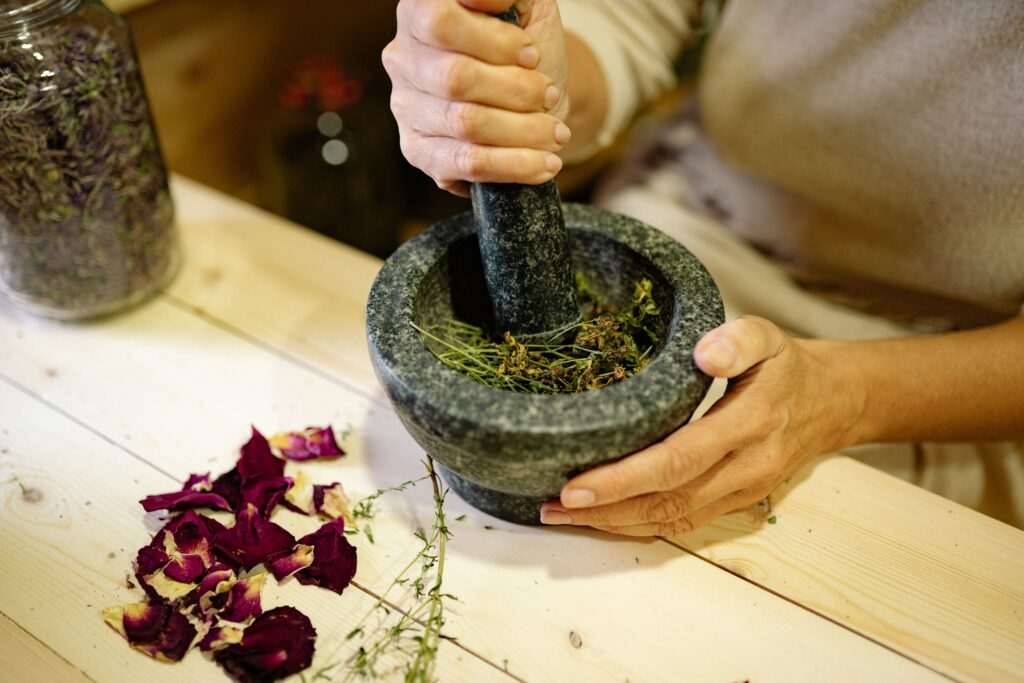
Alaska’s boreal forests, alpine meadows, and coastal zones support one of the most diverse collections of medicinal and edible wild plants in North America. The species available here — devil’s club, Labrador tea, rose hips, yarrow, fireweed, spruce resin, birch polypore, wild ginger, and dozens of others — have been used by Alaska Native communities for centuries as food, medicine, and material, and the knowledge systems surrounding them represent the deepest herbalism tradition in the region. A growing community of teachers, foragers, and herbalists in Anchorage offers structured access to this plant knowledge through classes, workshops, and guided foraging walks that serve both serious students and curious visitors. This guide covers herbal medicine and wild plant classes in Anchorage in 2026, the species most worth knowing, and how to approach this learning with the respect that Indigenous plant knowledge deserves.
Key Alaska Medicinal Plants
Alaska’s medicinal plant palette is distinct from the herb gardens of temperate climates. Most of the familiar culinary herbs — basil, rosemary, thyme — don’t naturalize here. What grows instead is a set of hardy, cold-adapted plants with potent compounds shaped by the demands of Arctic and Subarctic survival.
- Devil’s club (Oplopanax horridus): Alaska’s most important medicinal plant for many Indigenous communities — a large, spiny shrub of the rainforest understory with documented anti-inflammatory, antifungal, and blood sugar-regulating properties. It’s also the plant most likely to wound the unprepared forager; those long spines detach easily and cause significant irritation. Used in traditional medicine across Tlingit, Athabascan, and other coastal communities.
- Labrador tea (Rhododendron groenlandicum): A low shrub with leathery leaves and white flowers, common in bogs and muskeg across Southcentral Alaska. Traditional use includes tea preparations for colds and respiratory issues. The leaves contain ledol, which can be toxic in very large quantities — traditional preparations use moderate amounts rather than strong concentrations.
- Yarrow (Achillea millefolium): A widespread plant across Alaska’s disturbed and open areas with feathery leaves and flat-topped white flower clusters. Traditional and contemporary use includes wound treatment, fever reduction, and anti-inflammatory applications. One of the most accessible medicinal plants for beginners because it’s abundant, easy to identify, and well-studied.
- Rose hips (Rosa acicularis, prickly rose): Alaska’s wild rose produces hips with extraordinarily high vitamin C content — often 20 times the vitamin C of oranges by weight. Widely used in jams, teas, and tinctures; the seeds require removal before consumption as they contain fine hairs that irritate the digestive tract.
- Fireweed (Chamerion angustifolium): Alaska’s state flower is also one of its most nutritious wild plants. Young shoots in spring are high in vitamins A and C; the leaves make a mild herbal tea; the flowers are edible raw and produce a delicate honey. Fireweed tinctures are used in traditional preparations for anti-inflammatory purposes.
Wild Plant Classes and Foraging Walks in Anchorage
Anchorage’s wild plant education landscape spans several formats. The University of Alaska Fairbanks Cooperative Extension Service — which maintains an active Anchorage office — offers periodic ethnobotany and edible plant workshops led by botanists and plant ecologists. These are the most academically rigorous plant ID education available in the city and prioritize safety and accurate identification over foraging enthusiasm.
Independent herbalists and foraging guides offer more immersive field experiences — guided walks in Far North Bicentennial Park and Chugach State Park that cover plant identification in context, followed by processing demonstrations (drying, tincturing, infusing into oil) that make the knowledge immediately applicable. These guided walk formats are particularly effective for beginners because plant ID in the field is fundamentally different from plant ID in a book — light conditions, growth stage, habitat, and neighboring species all inform recognition in ways that photographs can’t fully capture.
The Alaska Herb Society and related community groups organize periodic events, plant swaps, and educational sessions that connect Anchorage’s herbalism community. These events are the most accessible entry point for someone interested in the social dimension of plant knowledge — learning with a community rather than from a single instructor.
Alaska Native Ethnobotany
The deepest plant knowledge in Alaska belongs to the cultures that have lived here for thousands of years. Alaska Native ethnobotany — the study of how Indigenous communities use plants — encompasses not just medicinal applications but food preparation, material construction, spiritual practice, and ecological knowledge that treats plant communities as living systems rather than a pharmacopeia. This knowledge is specific to particular communities and landscapes; Tlingit plant knowledge from Southeast Alaska coastal forest differs from Athabascan plant knowledge from the Interior boreal zone.
Accessing this knowledge respectfully means engaging with it through Alaska Native cultural institutions and educators rather than extracting plant names and recipes from secondary sources. The Alaska Native Heritage Center in Anchorage, UAF’s Alaska Native Knowledge Network, and tribal organizations are the appropriate channels for learning that goes beyond the general plant ID and Western herbalism curriculum that most Anchorage workshops offer. The Anchorage Native Arts & Culture Festival periodically includes ethnobotany demonstrations and traditional plant knowledge sessions from Alaska Native cultural practitioners.
Foraging Safety and Ethics in Alaska
Alaska’s wild plant landscape includes several genuinely dangerous species that resemble edible ones. Water hemlock (Cicuta douglasii) — one of the most toxic plants in North America — grows in wet areas throughout Southcentral Alaska and has a carrot-like appearance that has caused fatal misidentifications. Monkshood (Aconitum delphinifolium) is extremely toxic and grows alongside many edible plants in alpine meadows. Learning to identify the dangerous species with the same rigor applied to edible ones is as important as learning which plants are safe.
Foraging in Chugach State Park is permitted for personal use in small quantities. Commercial foraging requires permits from Alaska State Parks. Sustainable harvest — taking no more than 30% of any plant population at a given site — maintains the plant communities that future foragers (and wildlife) depend on. Our Anchorage hiking guide covers the trail corridors — including Kincaid Park‘s spruce-birch forest where yarrow, fireweed, and rose hips are abundant through the summer — where Alaska’s medicinal plants are most abundant and accessible for anyone combining trail time with botanical learning. Our free things to do in Anchorage guide includes the cultural centers and community events where plant knowledge is shared in accessible, low-cost formats.
Photo by Anna Shvets on Pexels.


No comments yet.