
Hot Air Balloon Rides Near Anchorage 2026 — Alaska Scenic Flights & Tours
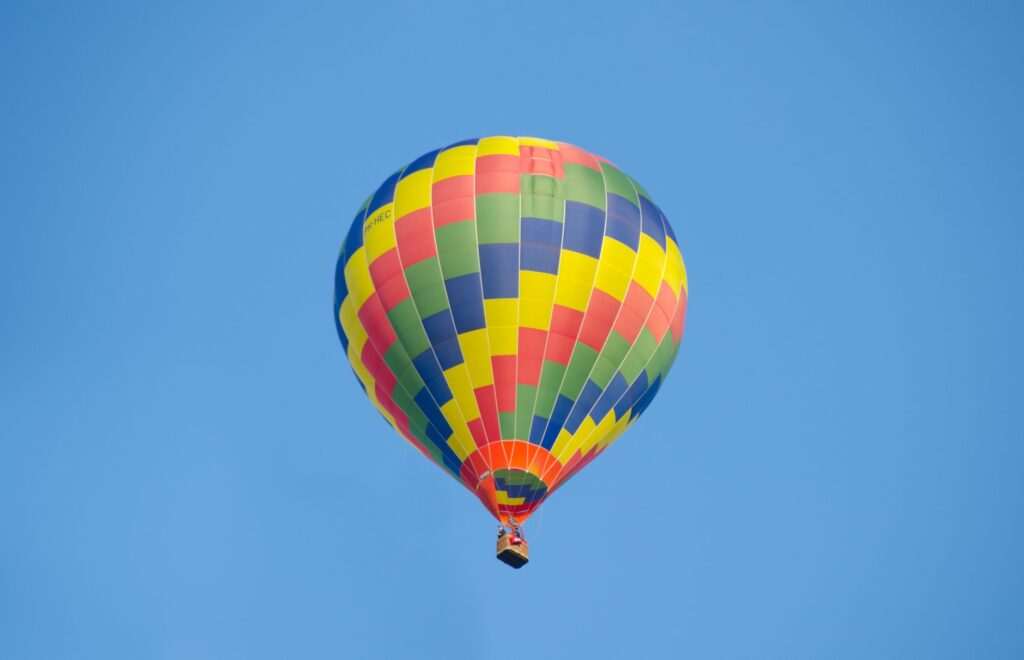
Alaska’s skies are extraordinary, and there’s no better way to experience them than from a hot air balloon basket drifting above the Matanuska-Susitna Valley, with the Alaska Range spread across the horizon and the boreal forest rolling out beneath you in every direction. After decades without commercial balloon operations near Anchorage, hot air ballooning is making a genuine return to Southcentral Alaska in 2026 — and for visitors who want a slow, silent, panoramic experience of the Alaska landscape, the timing couldn’t be better.
Here’s what you need to know about hot air balloon rides near Anchorage in 2026, including who’s operating, what the experience involves, and how to secure a spot.
The 2026 Revival: What Happened to Anchorage Ballooning?
Hot air ballooning flourished briefly in the Anchorage area in the early 1980s, then essentially vanished. The culprit wasn’t lack of interest — it was insurance. By 1986 and 1987, liability insurers had stopped offering coverage to balloon operators in Alaska entirely, citing the state’s variable weather and terrain. Without insurance, commercial operations couldn’t function. The skies went quiet.
That’s changing. As of early 2026, Alaska Helicopter Tours has acquired an 85-foot hot air balloon and begun operating flights in the Mat-Su region and at Anchorage-area events. The company is running both scheduled rides and special event appearances — bringing hot air ballooning back to Southcentral Alaska for the first time in a generation.
What to Expect from a Mat-Su Valley Balloon Ride
The Matanuska-Susitna Valley — the agricultural flatlands stretching northeast of Anchorage toward Palmer and Wasilla — is the natural home for balloon operations in Southcentral Alaska. The valley floor is wide, relatively open, and offers unobstructed sightlines toward both the Chugach Mountains to the east and the Talkeetna Mountains to the north. Denali appears on the horizon on clear days, a white cap rising above everything else.
A typical commercial balloon flight follows a straightforward rhythm:
- Pre-flight setup (30–45 minutes): The envelope inflates on the ground, crew handles the rigging, and your pilot walks through the flight safety briefing
- The flight (45–75 minutes): Altitude varies with wind currents; typical commercial rides stay between 500 and 2,000 feet AGL, giving you wide landscape views without extreme altitude
- Landing: Hot air balloons go where the wind goes, so the chase crew tracks your flight and meets you at the landing site — often a different location than where you launched
- Post-flight: Most operations include a brief celebration on landing — a tradition in ballooning that dates back to the first flights in France
The experience itself is notably quiet. There’s an occasional burst from the burner, but between burns the balloon moves with the air and the only sound is wind. Wildlife below doesn’t react the way it does to motor noise — moose, eagles, and waterfowl continue their activity, giving you a genuinely unobtrusive view of the landscape and its animals.
Alaska Helicopter Tours: The Balloon Operator to Watch
Alaska Helicopter Tours’ entry into ballooning represents the first commercial balloon operation near Anchorage in decades. As of 2026, the company is in the process of finalizing its balloon tour pricing and booking structure, with rides planned for the Mat-Su Valley and at events across the Anchorage region.
The 85-foot balloon they’re operating is a full-size commercial envelope, capable of carrying six to eight passengers depending on configuration. For the most current information on pricing, availability, and how to book a flight, contact Alaska Helicopter Tours directly — their aerial operations team handles both their helicopter tours and balloon inquiries.
For other scenic aerial experiences in Anchorage while balloon bookings develop, Rust’s Flying Service offers Chugach and Knik Glacier flightseeing tours from Lake Hood, giving you aerial perspectives on the same terrain a balloon would cross at lower altitude.
Fairbanks: The More Established Alaska Balloon Scene
If your travel itinerary allows flexibility, Fairbanks has a longer-established hot air balloon tourism scene. Alaskan Dreams Balloon Tours has operated in the Interior for years, offering flights over the boreal landscape north of Fairbanks — a different visual than Southcentral, with the vast Tanana River flats and the Alaska Range visible to the south.
The Interior Alaska weather pattern (drier, more stable air masses) has historically been more amenable to balloon operations than the maritime conditions of the Anchorage area. If you’re visiting both Anchorage and Fairbanks on a single Alaska trip, a Fairbanks balloon ride is a reliable option while the Anchorage-area operations build out.
Best Conditions for Alaska Balloon Flights
Hot air balloons require calm winds — typically under 10 mph — which means flights are scheduled for early morning or early evening when surface heating hasn’t built up daytime wind. In Alaska, early mornings in summer offer the added bonus of incredible light: the low sun angle at 6–8 AM in June and July creates the kind of golden photography conditions that simply don’t exist in lower latitudes.
The prime balloon season near Anchorage aligns with Alaska’s shoulder seasons:
- Late May through June: Stable weather builds as summer establishes, long light windows, some residual snowpack on the mountains for dramatic contrast
- August through early September: Post-solstice stabilization, fall colors beginning on lower tundra, shorter but still long days
- Avoid late June–July for best flight reliability: Midsummer brings more afternoon convective activity that can ground balloon operations
Safety and What to Bring
Commercial hot air balloon operations in the US fall under FAA Part 91 regulations, and pilots must hold a commercial balloon certificate. Alaska Helicopter Tours’ balloon program falls under these same federal safety standards.
For passengers, the practical preparation is simple:
- Dress in layers — balloon baskets are open, and early morning flights run cold even in summer
- Wear closed-toe shoes with flat soles (you’ll step over the basket edge at boarding and landing)
- Bring a camera with good zoom capability — wildlife and landscape photography from a balloon is exceptional
- Be prepared to be flexible on rescheduling — commercial operators will cancel for weather without hesitation, and that’s the right call
For a broader aerial perspective on the Anchorage region, the Lake Hood Seaplane Base in Anchorage is worth visiting even if you’re not taking a flight — it’s the world’s largest floatplane base, and watching aircraft take off and land on the lake gives you a sense of how central aviation is to daily life in Alaska.
Booking Tips
Balloon tours near Anchorage are still an emerging offering in 2026. The Alaska Helicopter Tours balloon program is building its schedule, and the best approach is direct contact rather than third-party booking platforms. Ask specifically about morning departure slots, which give the calmest conditions and best light for photography.
For any Alaska balloon flight — near Anchorage or in Fairbanks — book as early as possible and ask about their weather-cancellation policy. Operators who offer flexible rescheduling rather than hard refund deadlines are the ones planning to run a legitimate multi-season operation, not just filling slots.
Frequently Asked Questions
Are hot air balloon rides available year-round near Anchorage?
Commercial operations near Anchorage target the May through September window. Winter ballooning in Alaska is possible in the Interior (Fairbanks), where cold, clear, calm winter mornings are common. The Anchorage maritime climate makes winter operations unpredictable.
How high do hot air balloons fly over the Mat-Su Valley?
Commercial balloon flights typically stay at 500–2,000 feet above ground level, depending on wind currents and the pilot’s routing. At those altitudes, the Mat-Su Valley spreads out in full panorama — the Chugach Mountains to the east, Denali to the north on clear days, and the patchwork of farms, wetlands, and forest below.
What if the weather doesn’t cooperate?
Balloon operators monitor conditions closely and will cancel if wind, precipitation, or visibility falls outside safe operating parameters. Build flexibility into your Alaska itinerary — most visitors plan 2–3 weather-sensitive activities and accept that Alaska weather determines which ones happen. The trade-off is that when conditions align, the experience exceeds anything the forecasts could have promised.
Hot air ballooning over Alaska is a rare experience — rare enough that it was essentially unavailable for nearly 40 years before the 2026 revival. If you’re in Anchorage this summer and you want a perspective on the landscape that no road, trail, or motor provides, this is worth putting at the top of the list.
Featured photo by Susanne Jutzeler, suju-foto on Pexels.
No comments yet.