
Via Ferrata Near Anchorage 2026 — Guided Alpine Climbing in the Chugach Mountains
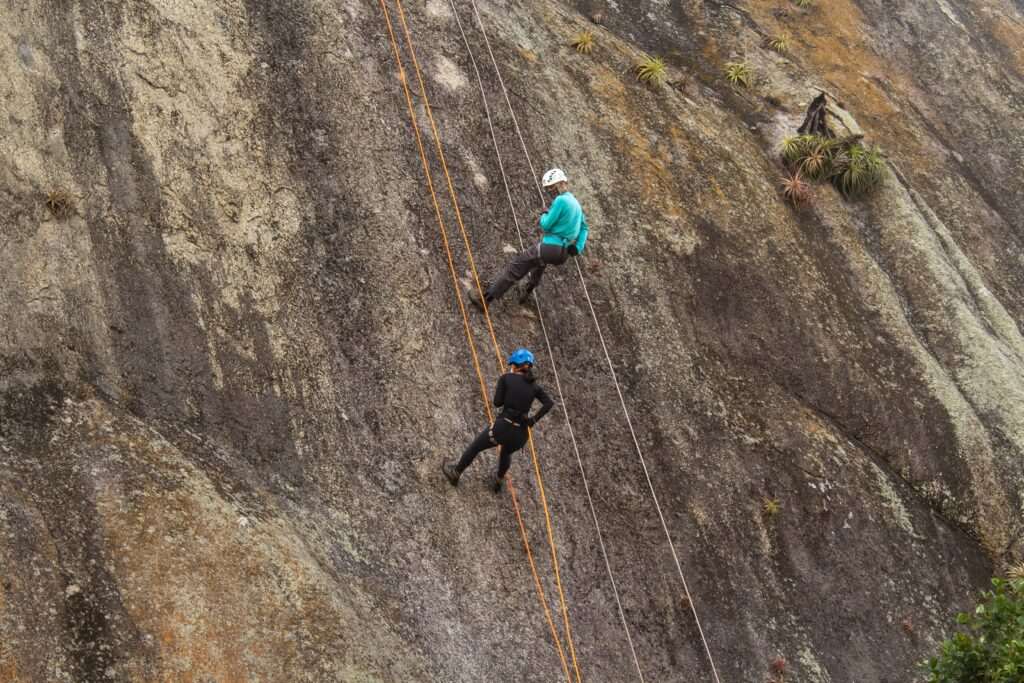
Via ferrata — Italian for “iron road” — is a style of mountain route that falls between hiking and technical rock climbing. Fixed iron cables, rungs, and ladders are anchored directly into cliff faces, allowing climbers to ascend terrain that would otherwise require ropes, harnesses, and lead-climbing skills. The via ferrata format originated in the Dolomites as a WWI military access route and has since become one of the most rapidly growing adventure disciplines worldwide, precisely because it opens genuine alpine terrain to people who want more than a trail but less than a full mountaineering commitment. In the Chugach Mountains immediately east of Anchorage, a small number of guided via ferrata routes deliver that experience against a backdrop that rivals anything the European Alps can offer.
Via Ferrata in the Chugach — What Exists
The Chugach Mountains rise abruptly from Anchorage’s eastern edge, reaching peaks above 5,000 feet within sight of the city. The range’s geology — primarily ancient schist and graywacke — produces rugged, fractured rock faces well-suited to the bolt-and-cable infrastructure that via ferrata routes require. Several guided operators have established fixed routes in accessible Chugach drainages within an hour of Anchorage, targeting a market of visitors and residents who want vertical alpine adventure without the multi-year learning curve of technical climbing.
These routes are not signposted public trails — they operate as guided experiences through outfitters who have established the hardware, maintain the anchors, and provide the technical oversight that keeps participants safe. Via ferrata without guidance in the Chugach is possible for experienced climbers who know the terrain, but for visitors the guided format is both the practical and the safety-appropriate choice.
Difficulty Levels and What to Expect
Via ferrata routes are graded on a scale from A (easiest, mostly walking with occasional cable use) through F (near-vertical with sustained exposed climbing requiring significant upper body strength). Most guided Chugach routes fall in the B–D range, covering the spectrum from “comfortable for a fit hiker with no climbing background” to “sustained vertical challenge for athletic adventurers.”
Beginner Routes (Grade A–B)
Entry-level via ferrata in the Chugach focuses on exposure rather than athleticism — participants move along fixed cable sections with solid footing beneath them, using the cable for security rather than to haul themselves upward. The sensation of height, the alpine environment, and the technical harness and lanyard system create an adventure feel even when the actual movement is not physically demanding. These routes suit hikers in reasonable fitness who want their first taste of vertical terrain without committing to harder grades.
Intermediate Routes (Grade C–D)
Intermediate routes introduce genuine vertical sections where arm strength and technique matter. Ladder pitches — sections of iron rungs driven directly into the rock face — require controlled movement and comfort at exposure. These routes typically gain more elevation and reach higher into the alpine zone, rewarding the additional effort with panoramic views of the surrounding Chugach ridgelines and, on clear days, the Alaska Range to the north. Participants should be comfortable with sustained physical effort over two to four hours and have no significant fear of heights.
Advanced Routes (Grade E–F)
The hardest Chugach guided via ferrata routes approach the technical difficulty of sport rock climbing without requiring lead-climbing skills. Sustained vertical and overhanging sections demand significant grip strength, body awareness, and the ability to rest on small footholds while managing exposure above significant drop-offs. These routes are appropriate for experienced hikers and climbers looking to push into genuinely committing terrain. Not all Chugach via ferrata operators offer Grade E–F routes; confirm specific grade availability when booking.
Guided Tours from Anchorage
Several Anchorage-based guide services offer via ferrata experiences in the Chugach. Alaska Mountain Guides and similar local outfitters operate small-group half-day and full-day via ferrata tours that depart from Anchorage or meet at Chugach trailhead locations. A typical half-day beginner session runs three to four hours including approach, the route itself, and return. Full-day intermediate and advanced experiences add a longer approach, typically reaching more remote and spectacular terrain.
Group sizes are kept small — usually four to eight participants per guide — to manage movement efficiency on the fixed hardware and allow the guide to monitor each participant’s comfort level in real time. Guides carry first aid equipment, supplemental anchor gear, and communication devices appropriate for the remote Chugach environment. Confirm current operator availability directly before booking, as guide services in Alaska’s adventure industry have variable seasonal schedules.
Gear: What’s Provided, What to Bring
Guided via ferrata operators provide the essential technical equipment: harness, helmet, and via ferrata lanyard (a Y-shaped energy-absorbing connection system that clips to the fixed cable). Participants should not use standard climbing lanyards on via ferrata routes — the lanyard design matters for shock load management in a fall. Reputable operators will supply the correct gear and brief participants on its use before the route begins.
What you bring yourself: hiking boots with ankle support and a grippy sole (approach shoes or technical trail runners also work; do not wear standard running shoes), layered clothing appropriate for the Chugach’s unpredictable weather (temperatures drop quickly at elevation and afternoon conditions can differ dramatically from morning conditions), water, high-energy snacks, and sunscreen. A small daypack keeps your hands free on the cable sections. Gloves are optional but appreciated — iron cables and rungs are rough on soft hands over a multi-hour session.
Physical Requirements
Via ferrata is more physically demanding than hiking but does not require the specific strength-to-weight ratio that technical rock climbing demands. The primary fitness requirements for beginner and intermediate Chugach routes are cardiovascular endurance for sustained uphill movement, grip strength sufficient to hold cable and rungs for extended periods, and reasonable leg strength for stepping up on ladder sections. Most participants who hike regularly and maintain basic upper-body fitness can complete a Grade B–C route without specific climbing preparation.
Advanced routes (Grade D and above) benefit from targeted forearm and grip training before the trip. Hangboard exercises, pull-ups, and grip strengtheners used consistently in the weeks before a via ferrata trip measurably improve performance on harder grades. Height tolerance is also worth assessing honestly — via ferrata involves sustained exposure at height that some people find manageable and others find debilitating regardless of fitness level.
Best Season: June Through September
Via ferrata in the Chugach is a summer and early fall activity. Snow covers the higher routes through late May, and the fixed hardware can be iced over well into June on north-facing aspects. Most operators open their Chugach routes in late June and run through mid-September, with July and August representing the most reliable window for settled weather and snow-free conditions.
September brings changing light, early autumn color in the valley birch below the alpine zone, and significantly smaller crowds than peak summer. The days are shorter but still long enough for a full route, and cooler temperatures make sustained physical effort more comfortable. The tradeoff is less predictable weather as fall systems begin moving through; checking the mountain forecast (not just the city forecast) is essential for September trips.
How Via Ferrata Compares to Rock Climbing
Via ferrata and technical rock climbing both involve vertical terrain, harnesses, and helmets, but the experience and required skill set differ substantially. Rock climbing requires learning to place protection, read routes, and trust a rope system managed by another person — a skill set that takes years to develop safely. Via ferrata eliminates these variables: the protection is already in the mountain, the route is marked by the hardware itself, and participants clip directly to fixed cables rather than relying on a rope and belay partner.
The tradeoff is that via ferrata routes are fixed — you go where the hardware goes rather than finding your own line. Many experienced rock climbers enjoy via ferrata for the scenery and altitude it delivers efficiently; many non-climbers find via ferrata is all the vertical adventure they want. The two disciplines are complementary rather than sequential — there is no requirement to “graduate” from via ferrata to climbing, and plenty of via ferrata enthusiasts never pursue traditional climbing.
The Chugach Setting
The practical appeal of Chugach via ferrata is inseparable from the setting. From the upper sections of most Chugach routes, the view extends across the entire Anchorage bowl — the city visible at the base of the mountains, Cook Inlet silver beyond it, and on clear days the Alaska Range rising above the northern horizon with Denali unmistakable at 20,310 feet. This is altitude accessible without a bush plane or multi-day expedition. The wildflowers that bloom across the tundra slopes below the cliff sections, the Dall sheep occasionally visible on adjacent ridgelines, and the cool dry air of the high Chugach combine to make via ferrata here feel like a distinctly Alaskan experience rather than an import from the European mountains where the format originated.
Visitors combining via ferrata with other Chugach adventures should explore the broader trail network managed by Chugach State Park, which encompasses nearly half a million acres directly adjacent to Anchorage. The park provides access to hiking, mountain biking, and scrambling terrain that complements a via ferrata session as part of a multi-day outdoor itinerary. The Eagle River Nature Center, about 12 miles northeast of Anchorage, is an excellent resource for current Chugach conditions and naturalist interpretation of the ecosystem you’ll be climbing through. For a longer alpine adventure to extend a via ferrata trip, Hatcher Pass and Independence Mine State Historical Park in the Talkeetna Mountains about 90 miles north of Anchorage offers spectacular ridge walking and mine history at comparable elevation to the Chugach routes.
Frequently Asked Questions
Do I need climbing experience for via ferrata near Anchorage? No prior climbing experience is required for beginner and intermediate guided via ferrata routes. A guide will brief you on harness use, the lanyard clipping system, and movement technique before the route begins. Fitness and comfort with exposure matter more than technical skill on most Chugach grades.
How long does a guided via ferrata tour take? Half-day beginner sessions run approximately three to four hours from the trailhead, including the approach, the route, and return. Full-day intermediate and advanced experiences take six to eight hours. Factor in travel time from Anchorage to the Chugach trailhead — typically 30–60 minutes depending on the specific route location.
What happens if I get scared partway up? Experienced guides manage this regularly. Fixed via ferrata routes in the Chugach have descent options at most points on beginner and intermediate grades. Your guide will assess your comfort level throughout and help you make the decision to continue or descend without pressure. Communicating clearly with your guide about how you feel is the most important thing you can do.
Is via ferrata safe? Guided via ferrata on properly maintained fixed hardware with a qualified guide is a well-managed adventure activity. The primary risks — a fall while unclipped, hardware failure, or weather deterioration — are managed by guide oversight, equipment checks before departure, and weather monitoring. Assess your operator’s certifications and hardware maintenance practices when booking.
When should I book via ferrata near Anchorage? Book two to four weeks in advance for July and August weekend slots, which fill quickly. Weekday availability is generally better. For September trips, one to two weeks ahead is usually sufficient though earlier is always safer.

No comments yet.