
Alaska Distillery Tours from Anchorage 2026 — Craft Spirits & Tasting Rooms
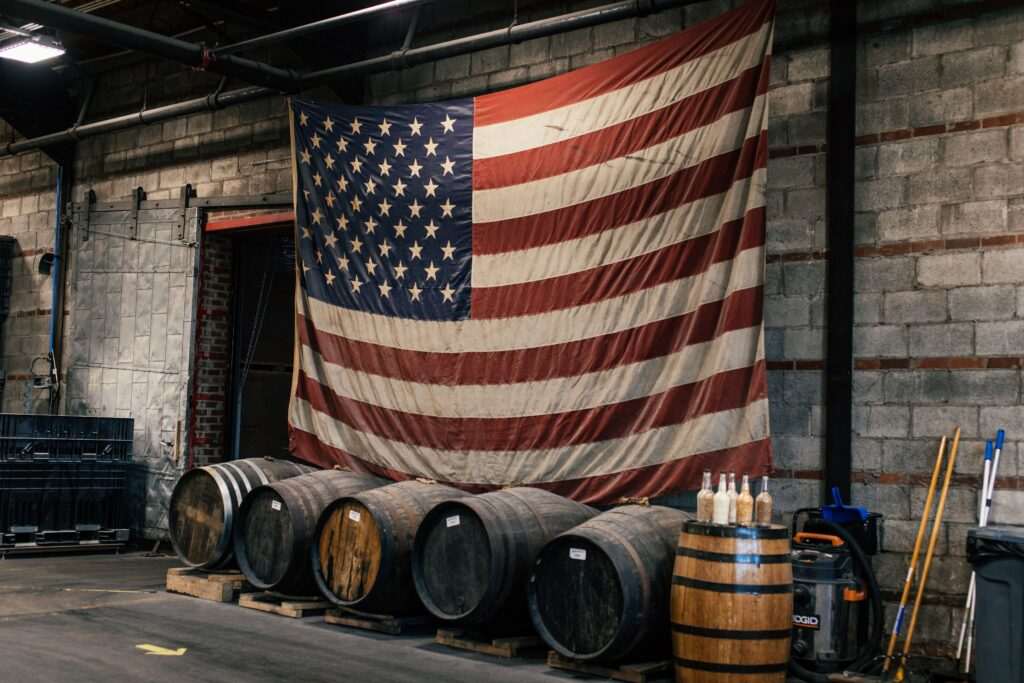
Alaska’s craft spirits industry is smaller than its reputation might suggest, but the quality concentrated in that small space is higher than most visitors expect. The state’s distilleries work with ingredients and water sources that have no equivalent elsewhere — glacier-fed aquifers, wild-harvested botanicals, and flavoring agents like birch syrup that require an entire climate to produce. A distillery tour from Anchorage covers two main venues and a broader craft beverage scene that fills a full day if you let it. The round trip to Wasilla and back runs roughly three hours of driving; the tasting rooms themselves are reason enough to make the loop.
Anchorage Distillery
Anchorage Distillery operates from a production facility on A Street in south Anchorage and maintains a tasting room open to walk-in visitors during standard hours. The distillery’s lineup centers on small-batch spirits made with Alaska water — the aquifer sources available in Southcentral Alaska produce water with a mineral profile that differs noticeably from municipal supplies in the Lower 48, and distillers here treat that as a signature rather than a footnote.
The tasting room format is direct: a counter, the current production lineup, and staff who can walk through what is in the glass and how it was made. Anchorage Distillery produces vodka, whiskey, and seasonal releases that vary by year. The facility is small enough that on some visits you can see the production equipment through the tasting room — stills, fermentation tanks, and barrel storage that contextualize what you are drinking in a way that a larger industrial operation cannot offer.
Hours run Thursday through Sunday; confirm current hours before visiting as they shift seasonally. The tasting fee is modest and typically includes samples of the current production lineup. Bottles are available for purchase, and the distillery ships within Alaska for visitors who want to take more than carry-on allows.
Alaska Distillery in Wasilla
Alaska Distillery operates in Wasilla, roughly an hour north of Anchorage via the Parks Highway. The drive through the Matanuska-Susitna Valley is worth taking even if the distillery were not the destination — the Chugach Range is visible the entire way and the valley opens into a wide agricultural corridor that is the most productive farming land in Alaska.
The distillery built its national reputation on a specific innovation: birch syrup vodka. Birch syrup is harvested from Alaska birch trees in spring — the window is narrow, roughly two weeks when the sap runs before the leaves emerge, and the yields are dramatically lower than maple syrup production. The resulting syrup has a mineral complexity that maple does not share, and Alaska Distillery uses it to produce a vodka that carries that character into the finished spirit. The result tastes unlike anything produced in the continental United States.
The Permafrost Vodka line uses glacially-sourced water and incorporates flavoring elements derived from the Alaskan environment. The tasting room in Wasilla allows visitors to sample the flagship products and seasonal releases, and production tours are available when scheduled in advance. The facility is larger than Anchorage Distillery and includes barrel aging areas that reflect the whiskey program the distillery has built alongside its vodka lines.
What Makes Alaska Spirits Different
The arguments for Alaska spirits are not marketing claims. The water genuinely differs — aquifer sources in Southcentral Alaska reflect a geology of granite, glacial moraine, and ancient sea bed that produces mineral content and pH ranges distinct from lowland or surface-water sources. Distillers who move production from other states report the water makes an audible difference in neutral spirits like vodka, where the base liquid accounts for most of what the drinker tastes.
The botanical options are also genuinely unusual. Spruce tips are harvested in late April and May when the new growth emerges bright green and resinous — the flavor is citrus-adjacent, with a pine character that is sharp rather than piney in the way that artificial pine flavoring tastes. Wild roses, elderberry, and fireweed all grow in abundance in the region and appear in limited releases from both major distilleries. These are not forced or contrived Alaska-branding choices; the ingredients are what grows here, and local producers use them because they are available at a quality and freshness that imported alternatives cannot match.
Craft Breweries Along the Route
Anchorage’s brewery scene pairs naturally with a distillery day and extends the craft beverage itinerary in either direction. Midnight Sun Brewing Company operates a taproom in Anchorage with a production lineup that has won recognition nationally — the barrel-aged program in particular pushes into the territory where craft beer and craft spirits overlap, with bourbon-barrel and wine-barrel conditioning producing flavors that distillery visitors will recognize from their tasting room sessions. 49th State Brewing @ The Rail runs a large taproom near the Alaska Railroad depot with food service and rotating taps that make it a practical lunch or dinner stop before or after the distillery circuit.
The craft beverage ecosystem in Southcentral Alaska is small enough that the producers know each other, and the influence runs in both directions — barrel exchanges, collaboration releases, and shared ingredient sourcing reflect a community that functions more like a collective than a competitive market.
Planning the Distillery Day
A full distillery loop from Anchorage — both distilleries plus one brewery stop — runs eight to ten hours depending on how long you spend at each location. The most common structure is morning departure north to Wasilla for Alaska Distillery, afternoon return to Anchorage for Anchorage Distillery’s tasting room, and evening at one of the breweries for dinner and final pints. The Parks Highway offers no significant scenery problems in either direction; wildlife including moose and occasionally bear are visible from the road in the Matanuska-Susitna corridor.
Designate a driver or book a car service. The tasting portions are small and paced, but cumulative consumption across two distillery visits and a brewery stop adds up over eight hours. Several Anchorage tour operators run custom day-trip packages that include distillery and brewery stops with transport — these are worth considering for groups where everyone wants to taste rather than volunteer as the driver.
September and October are underrated months for the distillery circuit. The fall color in the Mat-Su Valley peaks in mid-September and the crowds that characterize summer tourism have cleared. Most tasting rooms are open through October. The drive north in late September with the birch trees in yellow is one of the more photogenic road trips accessible from Anchorage without an extended itinerary.
Where can I tour a distillery near Anchorage?
Anchorage Distillery is the in-city option with a tasting room on A Street in south Anchorage. Alaska Distillery in Wasilla, roughly sixty miles north via the Parks Highway, produces the nationally recognized birch syrup vodka and Permafrost Vodka lines. Both operate tasting rooms open to walk-in visitors; confirm current hours before visiting as they shift seasonally.
What is birch syrup vodka?
Birch syrup vodka is a signature Alaska product made by Alaska Distillery in Wasilla. Birch syrup is harvested from Alaska birch trees during a short spring window when sap runs before leaves emerge — yields are low and the resulting syrup has a complex mineral quality distinct from maple. Alaska Distillery uses it to produce a vodka with a flavor profile that has no equivalent outside of Alaska.
Can I visit Alaska Distillery in Wasilla as a day trip from Anchorage?
Yes — Wasilla is approximately sixty miles north of Anchorage on the Parks Highway, about one hour each way. Combining Alaska Distillery in Wasilla with Anchorage Distillery on the return makes a full craft spirits day from Anchorage. The drive through the Matanuska-Susitna Valley is scenic and adds context to why Alaska ingredients differ from Lower 48 alternatives.
What time of year is best for a distillery tour near Anchorage?
Tasting rooms at both distilleries operate year-round, but summer (June through August) and fall (September through October) offer the best combination of open hours and scenery. September is particularly good in the Mat-Su Valley — fall color peaks in mid-September and visitor crowds are significantly lower than peak summer. Confirm hours before visiting as both venues adjust schedules seasonally.
Alaska’s craft spirits scene rewards curiosity more than knowledge. You do not need to be a spirits enthusiast to get something out of a distillery visit here — the ingredients, the process, and the setting are all specific enough to Alaska that the experience translates even for visitors who do not normally seek out tasting rooms. Leave time on the Parks Highway. The mountains are out on more days than the forecast suggests, and the valley is worth slowing down for.

No comments yet.