
Hunting Near Anchorage 2026 — Moose, Waterfowl & Guided Alaska Season Guide
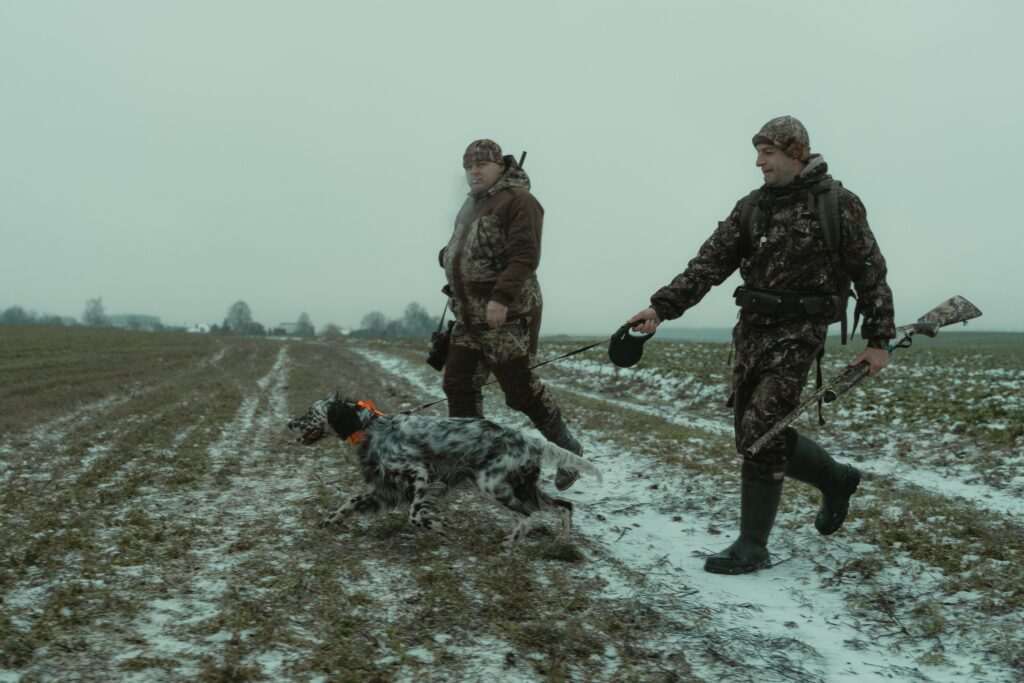
Alaska’s hunting reputation extends worldwide, and for good reason. The state holds some of the largest moose populations in North America, vast public land accessible from the road system, and seasons designed to sustain game populations that most Lower 48 hunters never encounter in a lifetime. Anchorage sits at the center of this. Within a few hours of the city, hunters access quality moose country, productive waterfowl marshes, Dall sheep in the Chugach Mountains, and black bear territory that stretches in every direction. This is the practical guide to hunting near Anchorage in 2026 — what you can hunt, when, and how to get started.
Why Alaska Hunting Is Different
Scale explains most of it. Alaska has approximately 170 million acres of publicly accessible land — more than the entire Lower 48 combined, by some measures. Game management units (GMUs) around Anchorage contain healthy populations of large animals with minimal pressure compared to any comparable-quality hunting available elsewhere in North America. A bull moose tag in Unit 14 is accessible from Anchorage in a day’s drive. The same day’s drive in most Lower 48 states would land you in suburban sprawl.
Regulations are managed by the Alaska Department of Fish and Game (ADF&G), which adjusts seasons and bag limits annually based on population surveys. Checking the current 2026 Alaska Hunting Regulations booklet is mandatory before planning any hunt — seasons and unit boundaries shift year to year and vary significantly by species and method.
Species Available Near Anchorage
Moose
Moose are the most sought-after big game animal near Anchorage, and they are genuinely accessible without a fly-in. GMUs 14 and 16 — which include the Mat-Su Valley, the Susitna drainage, and areas west of Anchorage — support road-accessible moose populations. The general season in most nearby units runs approximately August 20 through September 20, though specific dates vary by unit and subunit. Bull moose with 50-inch antler spreads or with brow tines over four inches are typically legal, but verify current ADF&G regulations before heading out.
Moose hunts near Anchorage are legitimate do-it-yourself operations for experienced hunters prepared for serious logistics. A mature bull can weigh over 1,000 pounds on the hoof — the real work begins after the shot. Most hunters work in pairs or small groups using packframes, game carts, or ATVs to get meat to a road.
Dall Sheep
Dall sheep inhabit the high ridgelines of the Chugach and Talkeetna mountains, including terrain visible from Anchorage on a clear day. Chugach State Park provides some of the most accessible sheep country in Alaska — though hunts here require considerable fitness and careful route-planning to reach the high-alpine zones where rams live. The season typically runs early August through late September. Non-residents are required by law to be accompanied by a licensed guide for Dall sheep, making this a guided hunt by definition for visiting hunters.
Black Bear
Black bears are abundant throughout the Chugach and Mat-Su drainages and available on a relatively liberal season structure — typically late August through June, with variations by unit. No guide requirement applies to non-residents for black bear, making this one of the few big-game species visitors can pursue independently. Spot-and-stalk hunting along creek drainages and berry patches in early fall is the standard approach near Anchorage.
Waterfowl
Southcentral Alaska is one of North America’s premier waterfowl areas. Ducks and geese concentrate in the Knik Arm wetlands, the Palmer Hay Flats, and numerous ponds throughout the Mat-Su Valley during fall migration. Federal regulations govern waterfowl seasons; Alaska-specific frameworks set the local dates, which typically open in early September. Teal and pintail arrive first; mallards, widgeon, and Canada geese peak through October. A Federal Duck Stamp and Alaska hunting license are required for all waterfowl hunters.
Non-Resident Licensing Requirements
Non-residents must purchase an Alaska hunting license plus species-specific tags before hunting. For 2026, the base non-resident hunting license runs approximately $160. Big game tags are purchased separately: a moose tag costs approximately $800 for non-residents; Dall sheep runs $850. Waterfowl requires a Federal Duck Stamp ($25) in addition to the Alaska license.
Two species require a licensed guide for non-residents: brown bear and Dall sheep. All other big game — including moose and black bear — can be pursued by non-residents without a guide, provided they hold the appropriate licenses and tags. Violating the guide requirement carries serious penalties including license revocation.
Guided vs. Self-Guided Hunting
For most visiting hunters, a guided moose or waterfowl hunt is the practical choice even when a guide is not legally required. Alaska guides provide logistics, local knowledge of game movement, meat care, and often float plane access to areas unreachable by road. A fully outfitted moose hunt with a reputable Southcentral Alaska outfitter typically runs $5,000–$12,000 for a seven- to fourteen-day hunt, depending on access method and operator.
Self-guided moose hunting is feasible for experienced backcountry hunters who have scouted target areas using onX Maps or ADF&G harvest reports, applied for required permits, and assembled a team with genuine meat-packing capability. For visitors unfamiliar with moose behavior and scale, a stop at the Alaska Wildlife Conservation Center near Portage is genuinely useful — seeing live animals before a hunt calibrates realistic expectations for field encounters in a way that no photo or video fully communicates.
Road Access vs. Fly-In
One of the Anchorage area’s advantages for hunters is genuine road-accessible game country. The Parks Highway, Glenn Highway, and Seward Highway corridors provide direct access to productive GMUs without requiring a float plane charter. Most hunters who take moose within 100 miles of Anchorage access their areas by truck and ATV.
Fly-in hunts open the more remote and lightly pressured country in the Alaska Range and western Susitna drainages. Charter flights out of Anchorage, Talkeetna, or Wasilla can reach remote strips or lake shores, enabling access to GMUs where road hunters rarely penetrate. Float plane rates vary; a 200-mile one-way charter for two hunters with gear typically runs $800–$1,500.
Transporting Game Out of Alaska
Federal regulations require that meat be kept separate from skulls and capes when crossing state lines. Cape and skull mounts must be sealed by ADF&G before transport — bring kill tickets to a local ADF&G office before departure. Commercial airlines accept game meat as checked baggage under standard weight fees; double-bag and clearly label the contents. For large quantities of moose meat, many hunters arrange ground transport or local processing. Several Anchorage-area processors handle game and can vacuum-seal or freeze bulk meat for airline transport.
Planning Your 2026 Alaska Hunt
Book guided hunts as early as possible — reputable outfitters for moose and Dall sheep typically fill their fall calendar by January or February. For self-guided hunting, download the ADF&G 2026 Alaska Hunting Regulations booklet when it becomes available in spring, identify your target GMU, and confirm whether an over-the-counter tag is available or a drawing permit is required for that unit.
For hunters who want broader context on Alaska’s wildlife and natural history before heading into the field, the Anchorage Museum covers the ecological systems of Southcentral Alaska with exhibits that put the landscape and its wildlife in useful perspective. The museum’s natural history section is a good orientation stop for first-time Alaska visitors.
Frequently Asked Questions
Do non-residents need a guide for moose hunting near Anchorage? No. Non-residents can hunt moose without a licensed guide. A guide is legally required only for brown bear and Dall sheep. You do need an Alaska non-resident hunting license and a moose tag, which together run approximately $960 for 2026.
When does moose season open near Anchorage? The general moose season in most nearby GMUs opens approximately August 20. Check ADF&G regulations for the specific unit you plan to hunt — dates and legal bull definitions vary by subunit and can change annually.
Can I hunt in Chugach State Park? Most of Chugach State Park is open to hunting under standard state regulations. Specific restricted zones exist near developed recreation areas — download current ADF&G regulations for GMU 14 before planning a hunt within park boundaries.
How much does a guided moose hunt cost in Alaska? Guided moose hunts in Southcentral Alaska typically range from $5,000 to $12,000 depending on length, outfitter, and access method. This generally includes guide services, spike camp, and meat care but excludes license and tag fees, personal gear, and airfare to Anchorage.
When is the best time to hunt waterfowl near Anchorage? Early September through October covers the main migration window. Teal arrive first; mallards and Canada geese peak through mid-October. The Palmer Hay Flats area and Knik Arm wetlands are the primary zones within range of Anchorage.
No comments yet.