
Wildlife Photography Near Anchorage Alaska 2026: Best Spots & Gear Guide
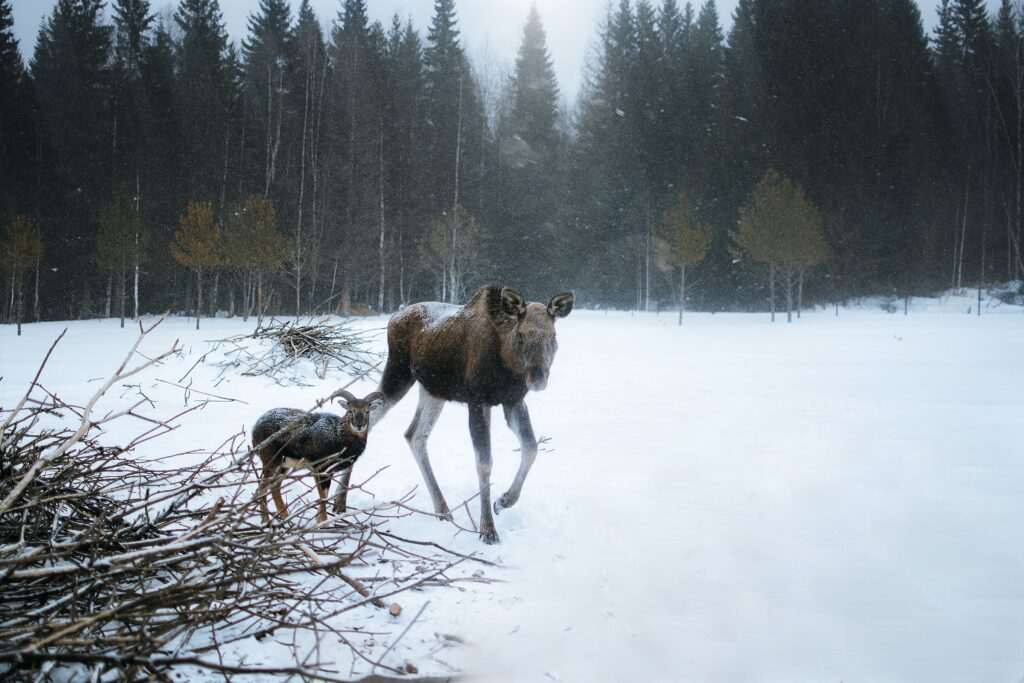
Anchorage is unusual among North American cities in that world-class wildlife photography opportunities exist within the city limits. Moose browse along the Tony Knowles Coastal Trail at dawn. Bald eagles perch on spruce snags above the city’s coastal wetlands. Black bears cross suburban backyards during berry season. Within 30 miles, the terrain expands to include Dall sheep on sheer rock faces, beluga whales in a major inlet, and one of the densest concentrations of shorebirds in North America at peak migration. For wildlife photographers — from those carrying a first telephoto lens to professionals chasing portfolio additions — Anchorage and its surrounding area offer a remarkably compressed range of subjects and habitats. This guide covers the best locations, the right seasons, gear considerations, and the safety practices that make wildlife photography in bear and moose country both productive and responsible.
Potter Marsh: Shorebirds, Raptors, and the Best Accessible Wetland
Potter Marsh, a 565-acre bird sanctuary at the south end of Anchorage along the Seward Highway (Mile 117), is the most productive single wildlife photography location within city limits. The marsh’s boardwalk puts photographers directly over open water and marsh grass where trumpeter swans, Arctic terns, sandpipers, yellowlegs, and a rotating cast of migrating shorebirds appear through spring and fall. Bald eagles — Anchorage has one of the highest urban bald eagle densities in the United States — hunt over the marsh regularly, and the elevated boardwalk provides eye-level access that a shoreline position rarely offers.
Timing at Potter Marsh is everything. Spring migration (late April through May) brings the largest variety of shorebird species; summer (June through August) offers nesting waterfowl and the best light for behavioral photography; fall migration (September through October) concentrates raptors above the marsh as birds funnel south along Turnagain Arm. The marsh is lit from the east in morning — arrive before 7 a.m. on summer days for golden-hour light on the water. The boardwalk is elevated and exposed; a 400–500mm equivalent telephoto lens allows comfortable working distance from nesting waterfowl without disturbance.
Tony Knowles Coastal Trail: Urban Moose and Coastal Raptors
The Tony Knowles Coastal Trail, running 11 miles along Anchorage’s western shoreline from downtown to Kincaid Park, is the city’s premier moose photography corridor. Moose browse willows and alders along the trail at all hours, but dawn encounters — before the cycling and running traffic builds — produce the calmest animals and the most usable light. The trail’s coastal position means the morning sun comes in from the east behind photographers facing west toward Cook Inlet, creating a warm sidelight that works well for large mammal portraits.
Moose photography requires patience and distance. A 200–400mm telephoto allows subject-filling frames from 50 to 100 feet — a working distance that is respectful of the animal and safe for the photographer. Cows with calves in May and June are exceptionally protective; give them extra space and treat any sign of alert behavior (ears back, hackles raised, vocalizations) as reason to retreat immediately. Bull moose in September and October rut are similarly unpredictable. The trail’s wooded sections between Westchester Lagoon and Kincaid Park produce the most frequent encounters.
Alaska Wildlife Conservation Center: Guaranteed Large Mammals
The Alaska Wildlife Conservation Center at Mile 79 of the Seward Highway is the most reliable location near Anchorage for photographing large Alaska wildlife species at close range in naturalistic settings. Brown bears, black bears, musk oxen, bison, elk, caribou, moose, wolves, and lynx live in large enclosures that allow behavioral photography not always achievable in wild encounters — the animals are accustomed to vehicles, and the drive-through loop allows extended time positioning for good light and angle.
For photographers, the Conservation Center is best visited in morning or late afternoon when low-angle light illuminates the enclosures from the south and west. Animals are often most active in early morning before the heat of the day and during late afternoon feeding periods. A 300–500mm telephoto is useful for tight portraits through the enclosure fencing; a wider lens (70–200mm) captures the mountain backdrop behind the animal. The center’s open-enclosure format, particularly for the bear and musk oxen sections, allows multiple composition approaches from the vehicle window — which is itself a wildlife blind, as animals often ignore parked vehicles but react to people on foot.
Turnagain Arm: Dall Sheep and Beluga Whales
The Seward Highway along Turnagain Arm delivers two distinctive wildlife photography subjects that are otherwise difficult to access. Dall sheep — all-white wild sheep that live on steep cliff faces — are visible on the rocky faces above the highway between Miles 90 and 105, where the Chugach Mountains rise nearly vertically from the road. Look high on the cliff faces; the sheep are often visible as white shapes against gray rock at distances of 200 to 600 feet. A 400–600mm telephoto is the minimum useful focal length for frame-filling images from the highway pullouts; a 600–800mm setup is preferable. The sheep use the same cliff sections reliably through summer, and roadside pullouts between Bird Creek and Indian allow safe stopping.
Beluga whales — the small white whales of the endangered Cook Inlet population — appear in Turnagain Arm from spring through early fall, most reliably during incoming tides when salmon concentrate near the surface. The Beluga Point pullout at Mile 110 is the most established shore-based viewing point, with an elevated position above the tidal flats. At typical distances of 200 to 500 meters, belugas require a 600mm+ telephoto for frame-filling images from shore; the real photographic value is environmental — wide-angle compositions showing the whale spout against the arm’s dramatic mountain and tidal backdrop. A monopod stabilizes long-lens shooting at the roadside pullouts, which have limited space for tripod deployment.
Chugach State Park: Bears, Eagles, and Mountain Wildlife
The Chugach State Park backcountry, beginning at multiple trailheads within 15 minutes of downtown Anchorage, extends the wildlife photography range into genuine wilderness. Black bears are the most commonly encountered large mammal on Chugach trails in summer and fall; Flattop Mountain, the Powerline Pass corridor, and the Glen Alps area all produce regular sightings. Eagles — both bald and golden — use the thermal columns above the ridgelines and are easiest to photograph from elevated positions where the photographer is above or level with the bird.
Pika — small high-altitude mammals that live in rockslides above treeline — are photogenic subjects accessible on Chugach day hikes above 3,000 feet. They are active through summer, calling from rocks and carrying vegetation in their mouths, and a 400mm telephoto allows frame-filling images from a working distance that doesn’t disturb them. Mountain goats appear occasionally on the higher ridgelines in the Eagle River drainage north of Anchorage.
Gear for Alaska Wildlife Photography
A 100–400mm or 150–600mm zoom telephoto is the most versatile starting point for Anchorage-area wildlife photography — it covers moose on the coastal trail, eagles above the marsh, and Dall sheep on the Seward Highway cliffs without requiring a lens change at every location. A full-frame or cropped-sensor mirrorless or DSLR body with good high-ISO performance handles the low-light conditions of early morning golden hour and the flat light of overcast Alaska days.
Waterproof protection for both camera and lens is non-negotiable in Alaska. Coastal Alaska weather turns from sun to rain within minutes. A rain sleeve or a waterproof cover that fits over the lens and body should live in the camera bag on every outing. Spare batteries are important in cold conditions — Chugach alpine temperatures in May and September drop batteries significantly faster than sea-level summer temperatures. A carbon-fiber tripod or a sturdy monopod stabilizes long telephoto shots from roadside pullouts and trail edges.
Safety When Photographing Alaska Wildlife
Wildlife photography in Alaska occurs in habitat shared with brown bears, black bears, and moose — all animals that can cause serious injury when surprised or threatened. Carry bear spray on all Chugach backcountry outings and know how to use it; a deterrent in the bag is not useful if retrieval takes more than two seconds. Make noise on forested trails to avoid surprise encounters. When moose or bears appear, maintain a minimum of 50 yards for bears and 25 yards for moose as a working distance; extend that significantly for cows with calves or animals that appear agitated.
Never approach wildlife to get a closer shot. Alaska’s wildlife photographers who get consistent high-quality images do so by learning animal behavior and positions, arriving early, using appropriate focal lengths, and waiting — not by closing the distance. Approaching bears or moose for photographs is illegal in many contexts and is the leading cause of wildlife-human conflict incidents in the Anchorage area.
Best Seasons and Light
June and July offer the midnight sun advantage unique to Alaska’s latitude — usable golden-hour light from roughly 10 p.m. to 2 a.m., when the sun stays low on the horizon and illuminates subjects with warm side lighting that is unavailable anywhere in the contiguous states. Wildlife is active around the clock in continuous daylight. This is the peak season for moose with calves, nesting waterfowl at Potter Marsh, and Dall sheep lambs on the Seward Highway cliffs.
September brings fall color to the tundra and birch, rutting bull moose in the urban trail corridors, and the final salmon runs that concentrate bears along Chugach streams. The light in September reverts to conventional golden-hour windows at sunrise and sunset. May offers spring migration shorebirds at Potter Marsh and snowpack on the Chugach faces for mountain wildlife photography with clean white backgrounds.
Featured photo by John De Leon on Pexels.
No comments yet.