
Camping & RV Parks Near Anchorage 2026: The Complete Alaska Campground Guide
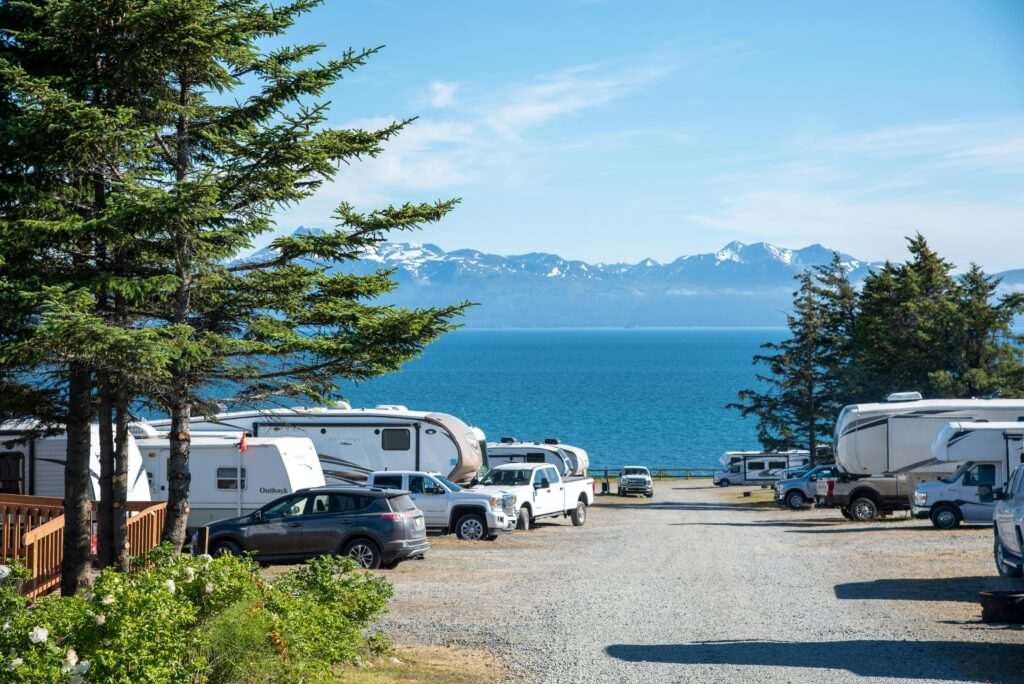
Anchorage is one of the few cities in North America where you can check out of a downtown hotel and be setting up a tent inside a wilderness state park within 30 minutes. The combination of Chugach State Park on the city’s eastern edge, Chugach National Forest to the south, and a dense network of public and private campgrounds makes Anchorage an outstanding base for camping — whether you’re arriving in a truck camper looking for full hookups or a backpacker who wants a trailhead tent site with no neighbors. This guide covers the main options within roughly an hour of downtown Anchorage, organized by camping style.
Chugach State Park Campgrounds
Chugach State Park covers nearly 500,000 acres on Anchorage’s doorstep and contains several established campgrounds accessible by car. The park’s campgrounds are managed by the Alaska Division of Parks and Outdoor Recreation; most sites can be reserved through Recreation.gov, and demand is high enough during July and August that booking 2–3 months ahead is advisable.
Eagle River Campground is the largest and most developed within Chugach State Park, with 57 sites along the Eagle River. Sites vary from tent-only to pull-through sites accommodating larger RVs. There are flush toilets, dump stations, and potable water — a relatively high amenity level for a state park campground. The campground is 12 miles northeast of downtown Anchorage via the Glenn Highway and Eagle River Road, and the Eagle River Nature Center — a popular trailhead and interpretive center — is a short drive further up the valley. Cost: approximately $20–$28 per night depending on site type.
Bird Creek Campground is the southernmost developed campground in Chugach State Park, situated along Turnagain Arm about 25 miles south of Anchorage on the Seward Highway. The campground is small (27 sites), primarily suited for tents and smaller campers, and lacks full hookups. Its position directly on Turnagain Arm makes it one of the most scenically located campgrounds in the state — the inlet’s bore tides, bald eagles, and beluga whale sightings during salmon runs make the site worth the trade-off in amenities. Book early; this campground fills consistently during summer weekends.
Eklutna Lake Campground sits at the end of the Eklutna Lake Road, roughly 26 miles northeast of Anchorage. The lake is the largest in Chugach State Park and the setting — a glacially carved valley with peaks rising on three sides — is dramatic. The campground has 50 sites; a separate group camping area is available by reservation. No full hookups, but water and pit toilets are available. The lake shore trail and bike paths extending into the backcountry make Eklutna a good choice for active campers who want to base out of one site for multiple days. Cost: approximately $20 per night.
RV Parks Near Anchorage: Full Hookup Options
Anchorage has several private RV parks offering the full amenities — electrical, water, and sewer hookups — that state park campgrounds generally don’t provide. These are the primary options for larger rigs or campers who need reliable 50-amp service.
Ship Creek RV Park is the most centrally located full-hookup RV option in Anchorage, situated in the Ship Creek basin near downtown and the Port of Anchorage. The location is convenient for accessing downtown restaurants and services, and Ship Creek itself — a popular salmon fishing spot during the summer runs — is accessible on foot. The park has approximately 200 sites with electric, water, and sewer, plus laundry and shower facilities. Its industrial surroundings aren’t scenic, but proximity to downtown makes it practical for visitors using Anchorage as a hub rather than a camping destination in itself. Cost: approximately $45–$65 per night for full hookups.
Creekwood Inn & RV Park, located in south Anchorage near Dimond Boulevard, is a well-maintained private option with full hookups, Wi-Fi, laundry, and a comfortable shower facility. The park is convenient to shopping areas and the New Seward Highway for day trips south to the Kenai Peninsula. Sites accommodate large fifth-wheels and Class A motorhomes. Cost: approximately $55–$70 per night.
Golden Nugget RV Park, in midtown Anchorage, is one of the longer-established RV parks in the city, with full hookup sites and relatively easy access to central Anchorage amenities. Like other urban parks, the setting is not wilderness — this is a parking lot with hookups in a commercial district — but the facilities are reliable and the location is central. Cost: approximately $50–$65 per night.
Tent Camping: Dispersed Sites and National Forest
Chugach National Forest covers a vast area south and east of Anchorage, and dispersed camping — camping outside designated campgrounds, without facilities, in most National Forest areas — is permitted under standard Leave No Trace guidelines. Dispersed camping is free and requires no reservation, making it the most cost-effective option for tent campers with the gear and experience to manage without facilities. The forest’s road system provides numerous pull-outs and access points along the Seward Highway, Hope Highway, and roads into the Portage Valley.
The trailheads and access roads around the Albert Loop Trail and similar maintained trail systems within the Chugach network connect to dispersed camping opportunities for those willing to carry gear a short distance off the road. The key rule for dispersed camping in the Chugach National Forest is to camp at least 100 feet from water sources and 200 feet from roads and trails where possible. Check with the Glacier Ranger District office for current closures and fire restrictions before heading out.
Bears at Camp: What You Need to Know
Both black bears and brown (grizzly) bears are present in the Anchorage area and in all the campgrounds and forests described above. Bear encounters at campgrounds are uncommon but not rare, and the steps for minimizing risk are well-established and mandatory in many state and national forest campgrounds.
Food storage: All food, food-scented items (toothpaste, sunscreen, trash), and coolers must be stored in hard-sided vehicles, bear boxes (provided at established campgrounds), or certified bear canisters when away from camp or sleeping. Do not store food items in tent vestibules or soft-sided campers. Many campground hosts at Chugach State Park sites will enforce this requirement.
Cooking and eating: Cook and eat away from your sleeping area when practical. Clean up immediately and dispose of all waste in provided bear-proof trash containers. Do not bury food waste.
Bear spray: Carry bear spray when hiking from your campsite. Alaska State Parks and the National Park Service both recommend bear spray as a front-line deterrent. Know how to use it before you need it: remove the safety clip, aim slightly downward at the approaching bear from 30–60 feet, and discharge the full canister.
Reservation Tips and Seasonal Notes
Recreation.gov: Most Chugach State Park and Chugach National Forest campground reservations go through Recreation.gov. Create an account before your search — the reservation window for Chugach State Park sites typically opens 6 months in advance, and the most popular sites (Eagle River, Bird Creek, Eklutna Lake) fill within hours of the window opening for July 4th weekend and peak July dates. Set a calendar reminder and book the moment the window opens.
Season: May through September covers most campground operations. June and July deliver the longest days — sunset after 11 p.m. means camp chores and evening hikes are feasible well past normal hours. Shoulder-season camping (May and September) involves cooler temperatures, possible snow at elevation, and significantly thinner crowds; experienced campers often prefer it. Most private RV parks operate year-round.
Dump stations: Eagle River Campground has an on-site dump station. Several private RV parks offer dump station access for a small fee for non-guests. The Municipality of Anchorage also maintains public dump station access at select locations; check the municipality website for current locations and fees before your trip.
Cost summary at a glance: Dispersed National Forest camping — free. Bird Creek — ~$20/night. Eklutna Lake — ~$20/night. Eagle River — ~$20–$28/night. Private Anchorage RV parks (full hookup) — ~$45–$70/night. Rates change; confirm current pricing at Recreation.gov and individual park websites when booking.
No comments yet.